 Historical Figure MBTI
#823 · 6-14-26 · The American Civil War
Owen Brown
The Son Who Survived Harpers Ferry
1824–1889
3 min read
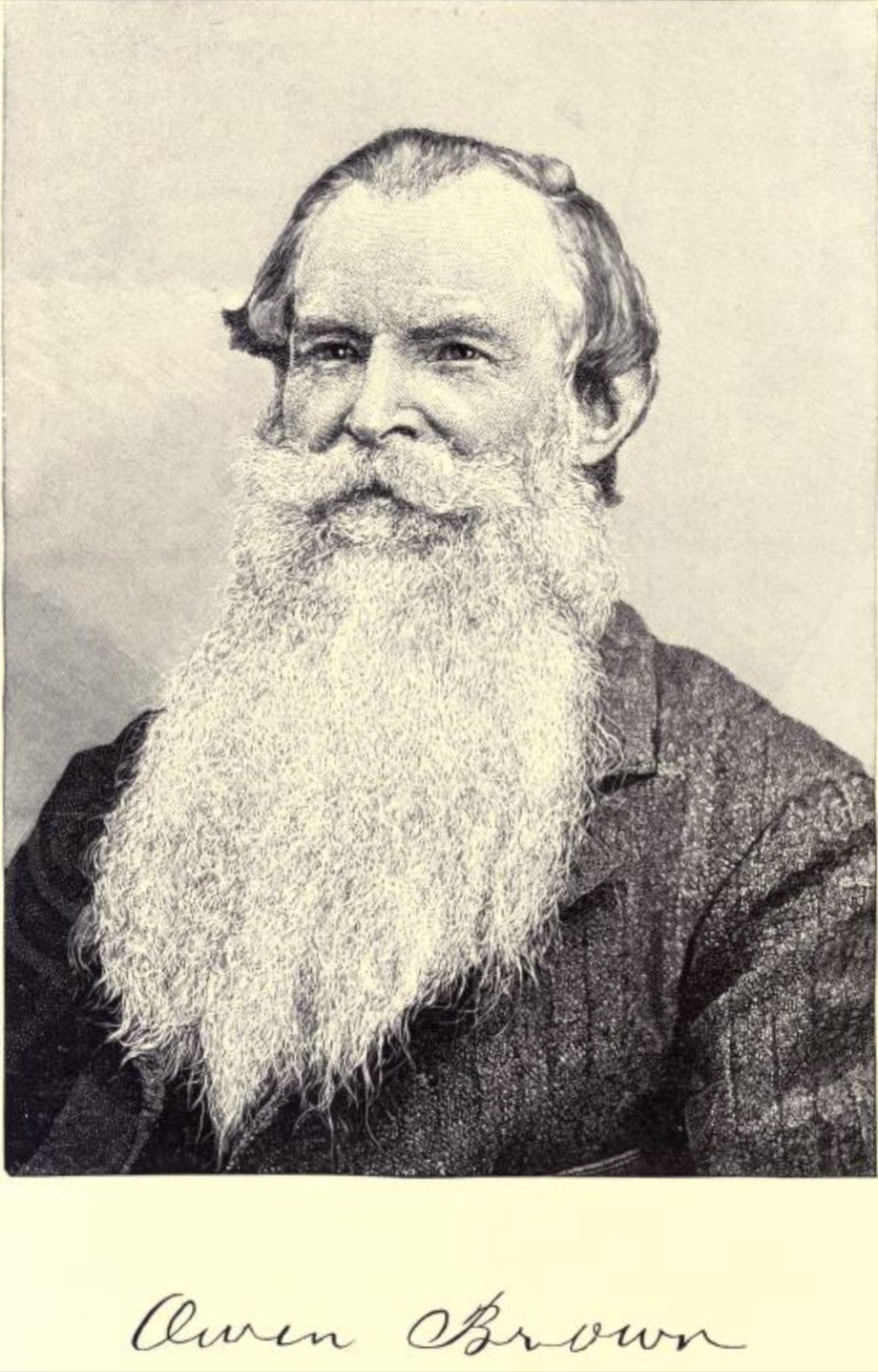
Portrait of Owen Brown
The Farmhouse, Not the Armory
Owen Brown was the practical son. Where his father dealt in prophecy and his younger half-brothers dealt in devotion, Owen dealt in terrain, timing, and what a body could actually endure. Born in 1824 to John Brown's first wife, he grew up working farms and tanneries at his father's side, and by the time the fight over Kansas turned violent in the mid-1850s, he was one of the men John Brown trusted to carry it out — riding with him through the guerrilla raids and reprisals that followed Pottawatomie, doing the grim work without needing it explained to him twice.
That trust carried into 1859, when his father assembled a small band to seize the federal armory at Harpers Ferry and spark a slave uprising across the South. Owen was not sent into the armory itself. He was posted at the Kennedy farmhouse across the river in Maryland, guarding the stockpiled weapons meant to arm the rebellion the raid never triggered. It was the least glamorous assignment and the one that saved his life — when the raid collapsed within two days, most of the men inside the armory were killed or captured. Owen and a handful of others fled overland through hostile Virginia and Maryland countryside for weeks, hiding by day, moving by night, living off what they could scavenge, until they reached free soil. He spent the following three decades saying almost nothing about it.
Owen Brown was an ISTP built for the one job at Harpers Ferry that required no ideology at all — just nerve, judgment, and the will to keep moving.
He is remembered, when he is remembered, as the son who survived — but survival here was not luck. It was a specific, unglamorous competence: reading a landscape correctly, rationing food and risk without panic, and trusting his own read of the situation over any comforting story about how it should go. That is the whole of Owen Brown's case as an ISTP, and it is enough.
Connected Figures
Further Reading
- John Brown, Abolitionist — David S. ReynoldsThe definitive modern biography, covering the Brown sons' roles in Kansas and at Harpers Ferry.
- Midnight Rising: John Brown and the Raid That Sparked the Civil War — Tony HorwitzA narrative account of the raid, including the farmhouse guard detail and the raiders' escape.
- To Purge This Land with Blood: A Biography of John Brown — Stephen B. OatesTraces the Brown family's involvement from Bleeding Kansas through 1859.
