 Historical Figure MBTI
3 min read
#118 · 3-14-26 · The Founding Generation of USA
Sally Hemings
ENSLAVED WOMAN AT MONTICELLO, NEGOTIATOR OF SURVIVAL, MOTHER OF A HIDDEN LINEAGE.
c. 1773 — 1835
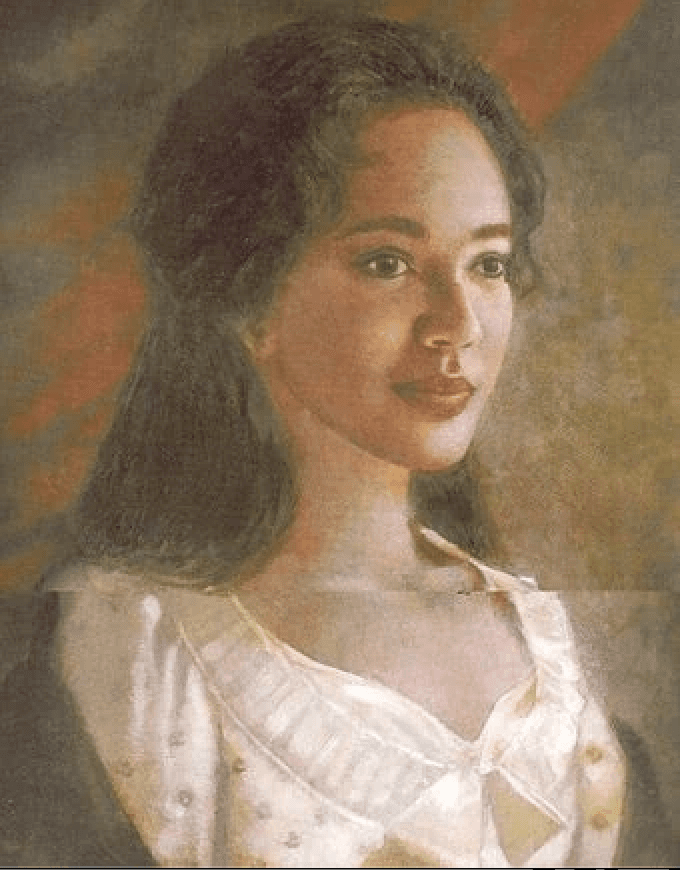
Portrait representing Sally Hemings
The Presence That Could Not Be Ignored
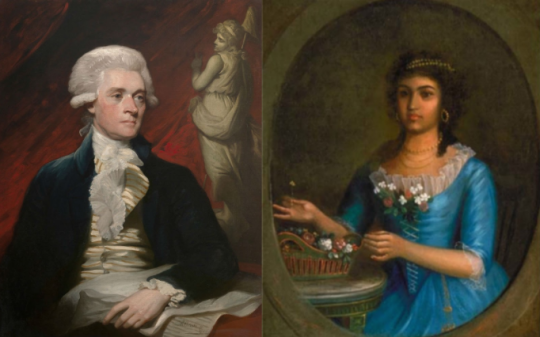


Sally Hemings enters history quietly—no speeches, no writings, no official voice.
And yet… she alters the course of a president’s private life, negotiates her children’s future at sixteen, and navigates two worlds—enslavement in Virginia and relative legal freedom in Paris with Thomas Jefferson.
That is not passivity.
That is presence under constraint.
If Jefferson was the architect of ideals, Sally was the strategist of reality.
Fe — Reading Power, Shaping Outcomes
At the core of Sally’s psychology feels like extraverted feeling (Fe)—but not in the soft, social sense we usually imagine.
This is Fe sharpened by necessity.
At around sixteen, in Paris—where she was legally free—Sally negotiated with Thomas Jefferson before agreeing to return to Virginia.
Her condition:
Her future children would be freed.
Think about that.
She wasn’t just reacting emotionally. She was reading Jefferson—his values, his attachments, his limits—and leveraging that understanding to secure long-term outcomes.
Fe at this level is not just empathy. It’s interpersonal strategy.
Ni — The Long Game
That decision in Paris reveals something deeper: introverted intuition (Ni).
Sally wasn’t choosing between freedom and bondage in a simple sense. She was choosing between:
- Immediate personal freedom in a foreign world
- Or a negotiated future for children who did not yet exist
That requires abstraction. Projection. Pattern recognition across time.
Ni asks: “What path creates the most meaningful future?”
And Sally chose the path that maximized generational outcome, not immediate relief.
She negotiated for her children—securing a promise of freedom for Madison and Eston Hemings when they reached twenty-one.
Se — Adapting Across Worlds
Sally moved between radically different environments:
- Enslaved life at Monticello
- Cosmopolitan life in Paris
- The intimate, highly controlled space of Jefferson’s household
She learned French quickly. Adapted socially. Navigated expectations without formal power.
This is extraverted sensing (Se) under pressure—real-time awareness, adaptability, reading the room because survival depends on it.
Not flashy. Not impulsive. But highly attuned to reality as it unfolds.
The Relationship — Power, Survival, and Complexity
Sally Hemings had at least six children with Jefferson, including Madison and Eston.
Let’s not sanitize that.
The power imbalance was absolute. She was enslaved. He was her legal owner.
And yet, within that system, she negotiated, secured outcomes, and ultimately saw her children gain freedom—some even passing into white society later in life.
This is where simplistic narratives fail.
Was it love? Survival? Strategy? All of the above?
ENFJs often operate in relational spaces—but here, that relational intelligence becomes a tool for survival and future-building.
Not idealistic. Pragmatic, but still human-centered.
Connected Figures
Further Reading
- The Hemingses of Monticello: An American Family — Annette Gordon-ReedPulitzer Prize–winning history tracing the Hemings family across five generations; the definitive scholarly work on Sally Hemings.
- Thomas Jefferson and Sally Hemings: An American Controversy — Annette Gordon-ReedGordon-Reed's earlier, meticulous legal-style analysis of the historical evidence; instrumental in shifting scholarly consensus.
- Sally Hemings and Thomas Jefferson: History, Memory, and Civic Culture — Jan Ellen Lewis & Peter S. Onuf (eds.)A collection of essays from historians and literary scholars examining how the relationship has been remembered and contested.
- Sally Hemings — Barbara Chase-RiboudA 1979 historical novel that first brought broad public attention to the relationship; controversial on publication, it helped force the story into mainstream discourse.
