 Historical Figure MBTI
#897 · 6-30-26 · The American Civil War
William D. O'Connor
Writer · Whitman's Fiercest Defender
1832 — 1889
3 min read
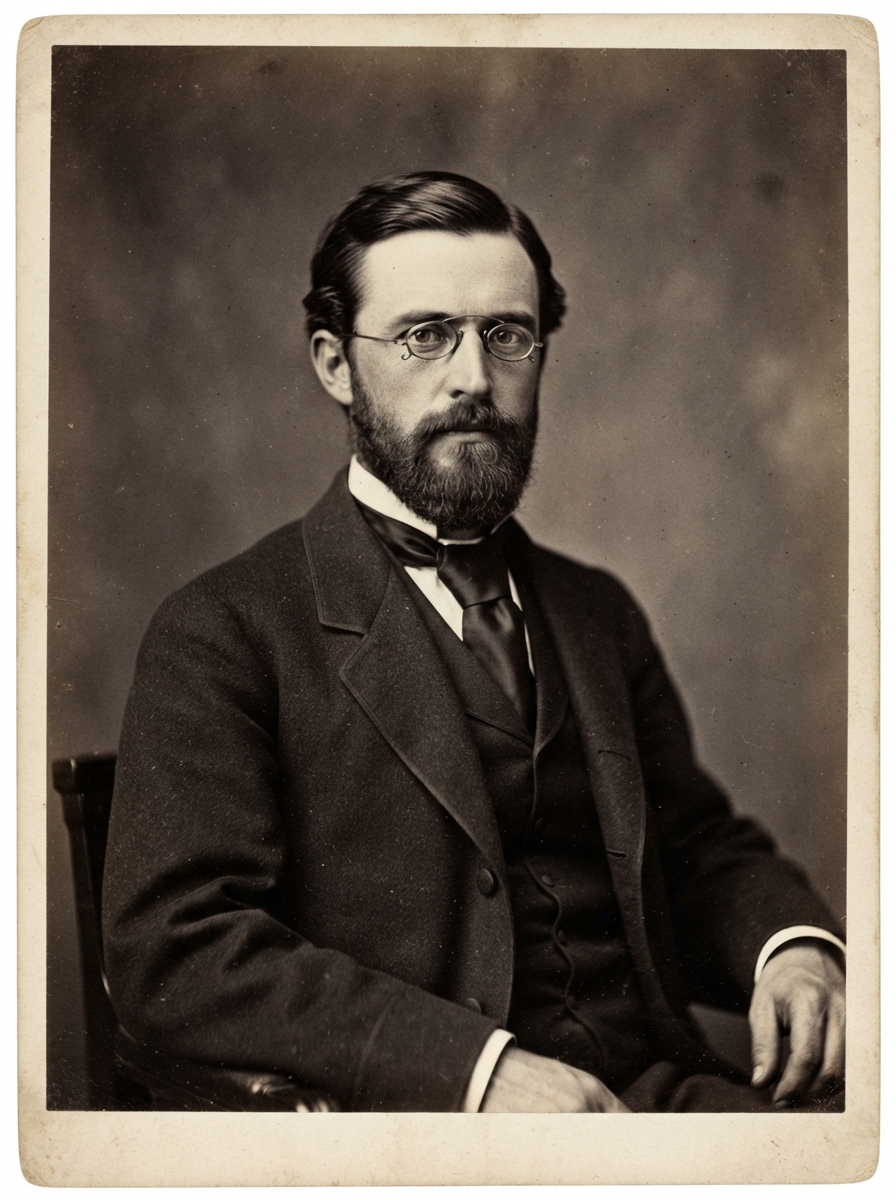
AI-assisted Portrait of William D. O'Connor
The Man Who Invented the Good Gray Poet
In the summer of 1865, a Treasury Department clerk named William D. O'Connor learned that his friend Walt Whitman had been fired from a copyist's post at the Interior Department. The Secretary, James Harlan, had read a personal copy of Leaves of Grass and been scandalized by it. To most Washington bureaucrats this would have been a minor injustice, forgotten within the week. To O'Connor — novelist, abolitionist agitator, and by temperament a man who could not let an injustice pass unanswered — it was a wrong that demanded a public reckoning.
He wrote The Good Gray Poet: A Vindication in a fury of conviction and published it within months. The pamphlet did not merely defend Whitman's dismissal as unjust; it recast the poet wholesale — as a chaste, Christ-like national bard, a prophet of democracy whose supposed obscenities were in fact the plain speech of a new American scripture. It was not measured argument so much as an act of will, a vision of who Whitman was and had to be, pressed onto the record with a certainty that brooked no counterevidence. The image mostly stuck. For the rest of the century, "the Good Gray Poet" was how much of the country understood Walt Whitman, and O'Connor's own reputation as a serious novelist was quietly absorbed into it.
O'Connor never wavered from that first vision, not even decades later when new evidence about Whitman's private life complicated the picture he had painted. He simply held the line, again and again, in essay after impassioned essay.
O'Connor did not build the case for Whitman so much as see it whole, in a single act of moral certainty, and then spend the rest of his life defending what he had already decided was true — the unmistakable signature of an INFJ.
Connected Figures
Further Reading
- The Good Gray Poet: A Vindication — William Douglas O'Connor1866 — the pamphlet that defined Whitman's public image
- Walt Whitman's America — David S. Reynolds1995 biography situating O'Connor within Whitman's wartime circle
- With Walt Whitman in Camden — Horace TraubelFirsthand record of Whitman's later reflections on O'Connor's advocacy
- Whitman the Political Poet — Betsy ErkkilaStudy of the abolitionist milieu that shaped O'Connor and Whitman alike
