 Historical Figure MBTI
Victorian Britain
~1805 – 1870
Florence Nightingale, Mary Seacole, and the reformers who reshaped what medicine and public service could mean.
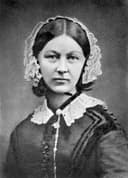
Florence Nightingale went to the Crimea in 1854 with 38 nurses and a lamp, and turned British military medicine from a reliable death sentence into something resembling care. She returned a national hero. Then she spent the next fifty years reforming hospitals, nursing education, and public health statistics — entirely from her bedroom, refusing almost all public appearances, running the Victorian reform movement through an extraordinary volume of letters.
Mary Seacole went to the same war at her own expense, after being refused official support because of her race. She built her own hotel at the front line, cooked for the soldiers, and treated the wounded. Richard Monckton Milnes — the man Florence turned down — became one of Victorian England's great literary patrons instead. This is the era of reform, of empire, of the conviction that the world could be improved with enough effort and enough data.
4 figures · sorted by birth year
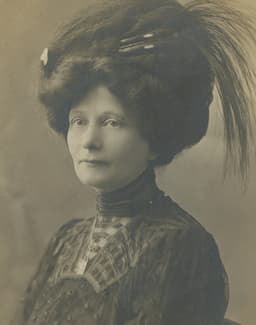
Mary Clarke
ENTP · b. 1793
The woman Florence Nightingale's mentor married instead
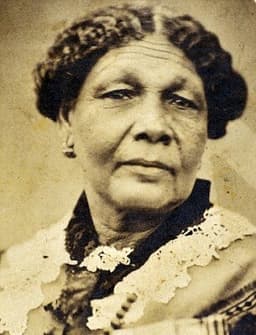
Mary Seacole
renownESFJ · b. 1805
Nurse, traveler, entrepreneur, and Mother of the Crimea.
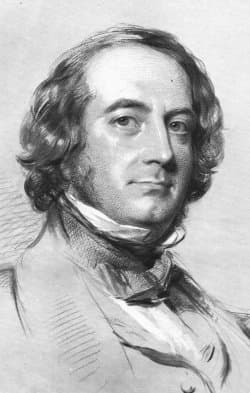
Richard Monckton Milnes
notableENFP · b. 1809
The man Florence Nightingale turned down
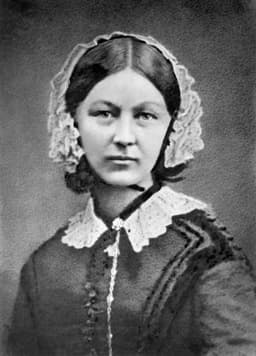
Florence Nightingale
iconicINTJ · b. 1820
Nurse, statistician, and architect of modern hospital reform.

Sign up for monthly insights
Monthly insights into history's most influential figures — examined through psychology, context, and cognitive pattern. Less stereotype, more structure. History, but with a mind map.
Powered by Buttondown