 Historical Figure MBTI
5 min read
#197 · 3-20-26 · Ancient Athens
Aesop
The Fabulist Who Spoke Through Shadows
c. 620 – 564 BCE
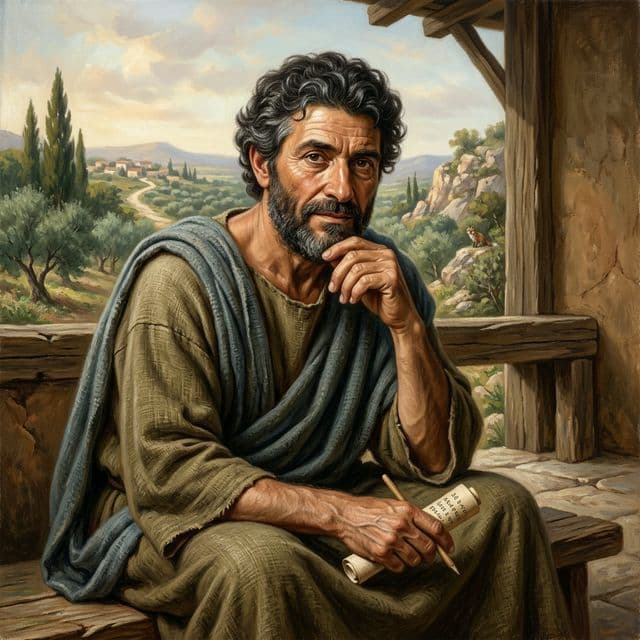
AI-assisted portrait of Aesop
The Architecture of Allegory
Aesop did not deliver direct commands or logical proofs. He told stories. As a slave in the 6th century BCE, his voice moved through the world in the form of fables—brief, metaphorical narratives where animals mirrored human folly and wisdom. His life was a journey of navigating the rigid structures of power through the fluidity of symbolic language.
He operated in the space between the literal and the symbolic, using the mask of the fable to critique authority and illuminate universal truths that were otherwise dangerous to speak. His personality was his shield and his bridge, allowing him to communicate deep insight to those who were willing to look beneath the surface.
Historical Context
Living during the archaic period of Greece, Aesop was said to be a Phrygian slave who served on the island of Samos. His fables were part of an oral tradition that was eventually transcribed, becoming the basis for Western storytelling. He traveled to various courts, including that of Croesus, using his wit to navigate the complexities of international diplomacy and social status before his legendary death in Delphi.
The Psychological Verdict
Aesop reads most clearly as INFJ. He was a master of symbolic interpretation (Ni), seeing the hidden patterns in human nature and translating them into enduring myths that sought to guide and protect the collective understanding (Fe).
Ni — Dominant
Aesop’s primary mode was the distillation of complexity into singular archetypes. A fox, a lion, a crow—these were not just animals, but symbols of recurring human patterns. His fables are the ultimate expression of Ni: finding the eternal truth beneath the temporary surface, seeing the "all" in the "one."
Fe — Auxiliary
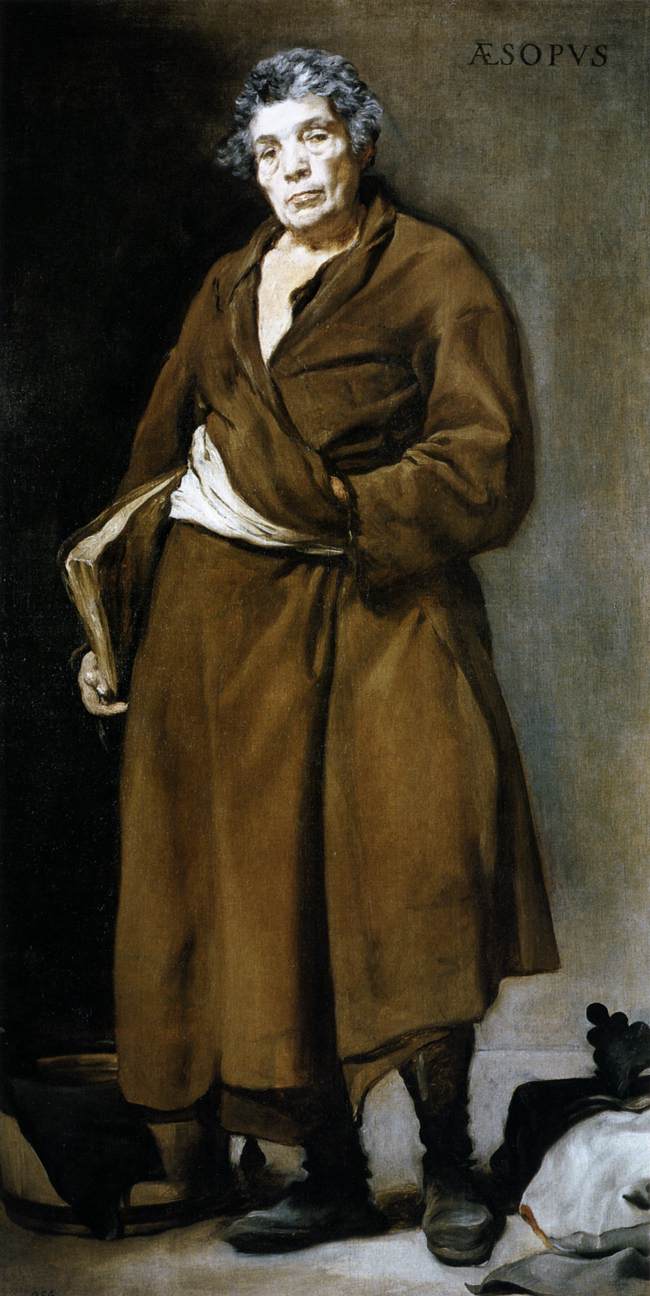
His stories were tools for the community. He didn't write for his own amusement; he wrote to teach, to warn, and to harmonize social understanding. His work is deeply concerned with the moral order and the ethical relationships within the group, using allegory to facilitate collective growth.
Ti — Tertiary
Beneath the symbolic surface lay a sharp, analytical logic. Aesop’s fables are perfectly constructed logical puzzles. He used tertiary Ti to ensure that his allegories were structurally sound and that the "moral of the story" derived inevitably from the premises he established.
Se — Inferior
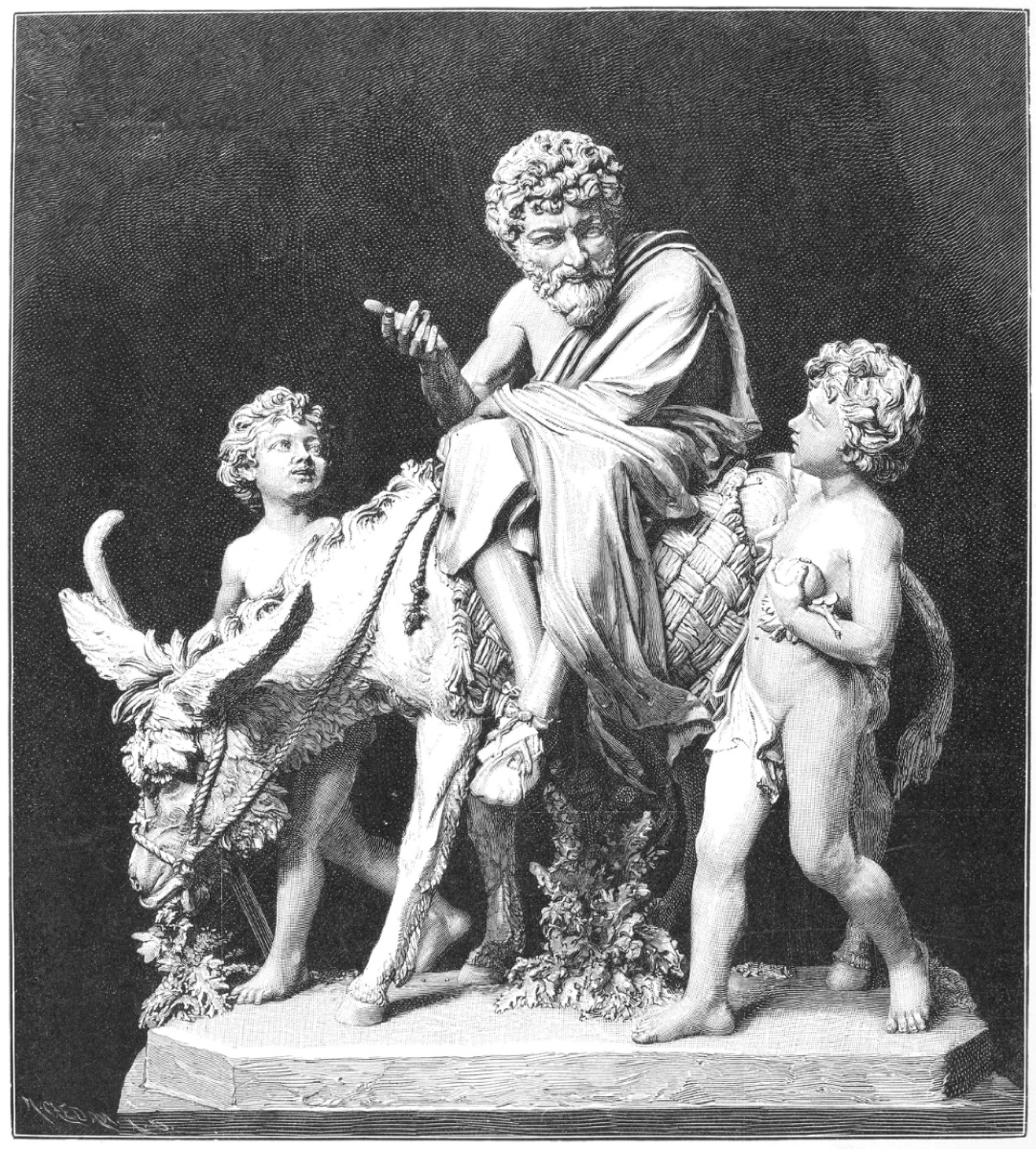
Aesop’s detachment from the physical world is evident in his focus on the metaphorical. While he was observant of animal behavior, it was always in service of archetypal meaning. His inferior Se manifested in his eventual confrontation with the physical realities of power, leading to his martyrdom when his symbolic wit could no longer bridge the gap with his captors.
The Voice That Needed No Body
We do not know with certainty that Aesop existed. The ancient sources disagree on his origins, his appearance, and the facts of his death — whether he was thrown from a cliff at Delphi for blasphemy, or executed for some other invented charge, depends on which account you read. What is not disputed is that the fables attributed to him existed, circulated widely, were quoted by Socrates in his final days, and were eventually collected by Phaedo and others who wanted to preserve them. Aristotle cited Aesop in his Rhetoric as a master of illustrative argument. The fox and the grapes, the tortoise and the hare, the boy who cried wolf — these are not just stories. They are compressed psychological models, and they have been translated into every major language on earth. The fact that Aesop may have been a fiction is almost beside the point. The fables found a name to attach themselves to, and the name held. That, perhaps, is its own kind of fable.
Not the one who described what happened. But the one who explained what it meant.
Connected Figures
Further Reading
- Aesop's Fables — Trans. Laura GibbsThe most complete modern translation — 600 fables with rigorous sourcing from the ancient collections.
- The Complete Fables — Aesop, trans. Olivia and Robert Temple (Penguin Classics)Readable Penguin edition; includes the Life of Aesop and the full Babrius and Phaedrus tradition.
- Aesopic Conversations: Popular Tradition, Cultural Dialogue, and the Invention of Greek Prose — Leslie KurkeScholarly reappraisal of Aesop as a figure of popular resistance and cultural memory in archaic Greece.
- The Life of Aesop — Anon. (trans. Lloyd W. Daly)The ancient fictional biography — unreliable as history, invaluable as a mirror of how antiquity imagined the fabulist.
