 Historical Figure MBTI
#809 · 6-13-26 · The American Civil War
Braxton Bragg
The General His Own Officers Despised
1817–1876
2 min read
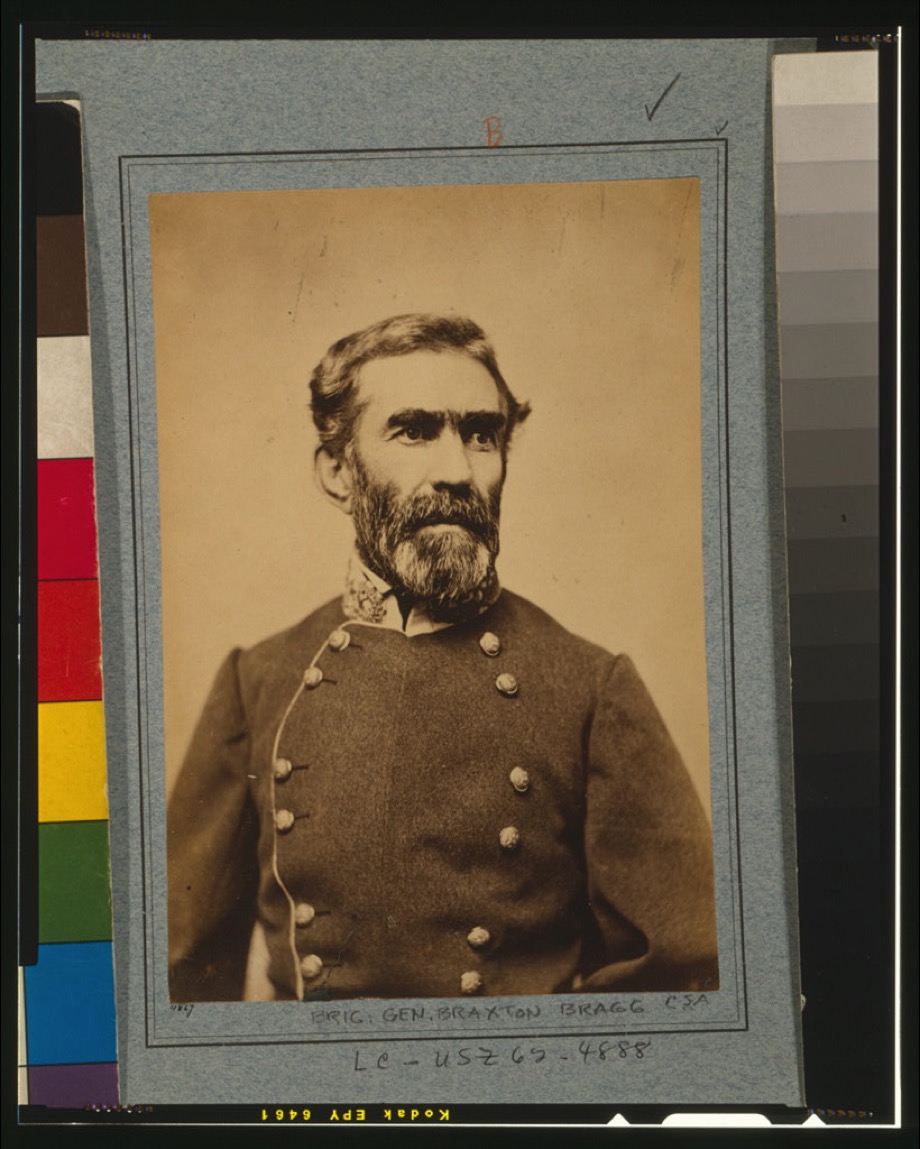
Portrait of Braxton Bragg
A Regulation for Every Occasion
Braxton Bragg came out of West Point and the Mexican War with a reputation for exactness that bordered on legend — army lore held that he had once, as a young officer holding two administrative posts at once, filed a supply requisition in one role and formally rejected it in the other, then appealed his own denial up the chain. True or not, the story stuck to him because it fit. Bragg trusted the manual, the precedent, the established channel, and he expected everyone around him to trust it too.
That trust served him well enough as a planter and staff officer, where thoroughness read as competence. It served him far worse once Jefferson Davis, a close personal ally since their Mexican War days, handed him command of the Army of Tennessee in 1862. Bragg could plan a campaign on paper with real skill, and he produced tactical successes his subordinates rarely credited him for. What he could not do was hold together the coalition of proud, independent generals a Confederate army command required — his inflexibility read to them as contempt, and several petitioned for his removal outright. Only Davis's personal loyalty kept him in the chair.
Bragg governed an army the way he governed a requisition form — by the letter, without warmth, and without the flexibility a coalition of proud subordinates actually required. That is the ISTJ pattern curdled into martinet rigidity.
What reads, in a staff officer, as admirable exactness reads very differently once the job is holding together men who expect to be persuaded rather than merely ordered. Bragg never adjusted the method to the room he was in — he simply expected the room to adjust to the manual.
Connected Figures
Further Reading
- Braxton Bragg: The Most Hated Man of the Confederacy — Earl J. HessThe standard modern biography and reassessment of Bragg's command.
- Jefferson Davis, American — William J. Cooper Jr.Definitive biography of Davis; details the Bragg-Davis alliance.
- Autumn of Glory: The Army of Tennessee, 1862–1865 — Thomas Lawrence ConnellyClassic operational history of the army Bragg commanded.
