 Historical Figure MBTI
#810 · 6-13-26 · The American Civil War
Robert Toombs
The Secretary of State Who Wanted to Fight, Not Talk
1810–1885
2 min read
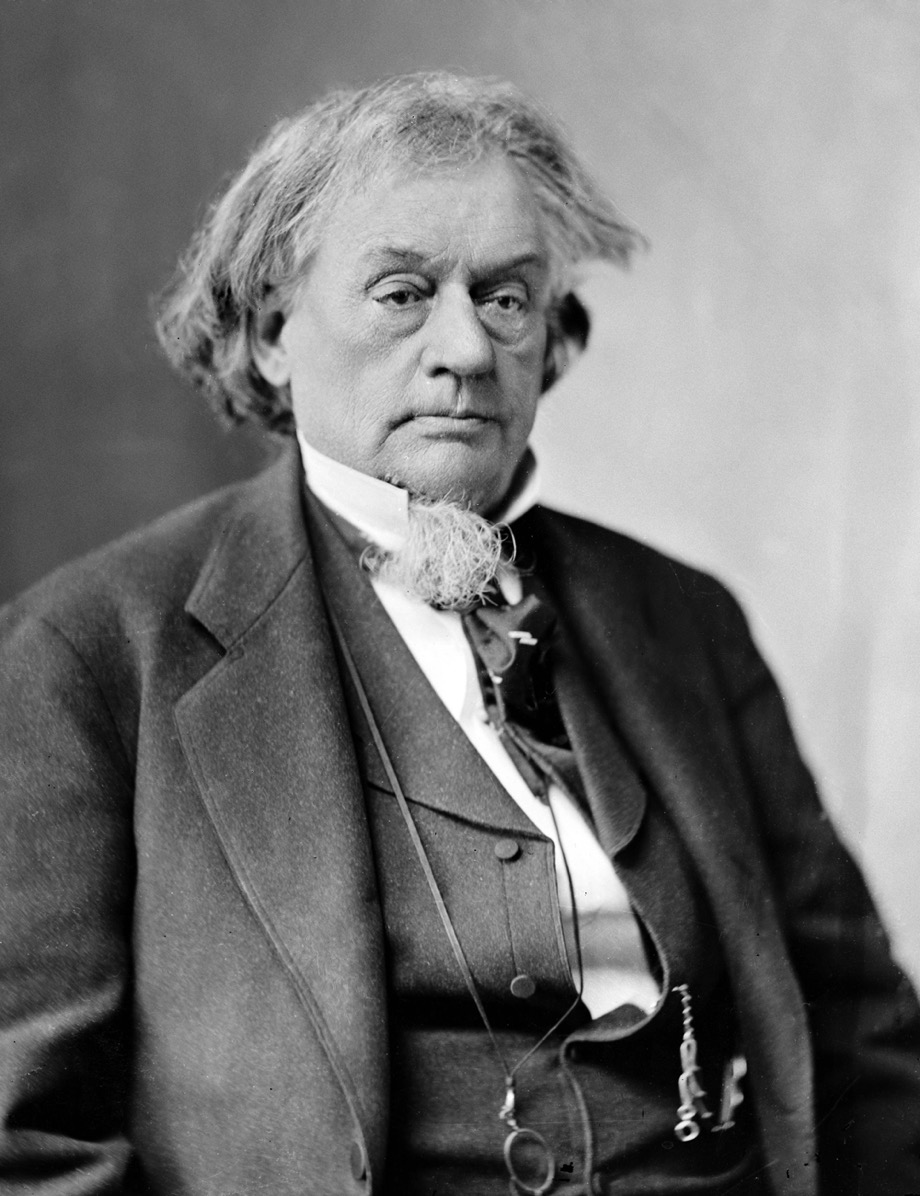
Portrait of Robert Toombs
The Man Who Wanted the War, Not the Paperwork
Robert Toombs never lacked for volume. A Georgia planter and US senator who talked secession louder and earlier than almost anyone in the South, he boasted before the war that he could call the roll of his slaves at the foot of Bunker Hill Monument — a line calculated to shock rather than persuade, delivered because he could not help himself. He arguably had as good a claim on the Confederate presidency as Jefferson Davis did; when the convention chose Davis instead, Toombs took the consolation prize of Secretary of State.
It suited him for exactly as long as it took to discover what the job actually was: correspondence, protocol, patient argument with foreign governments that were not going to recognize the Confederacy no matter how forcefully he wrote to them. Toombs resigned within months and went looking for a uniform instead. He fought at Antietam, quarreled with every superior officer he served under, was passed over for promotion he thought he'd earned, and spent the rest of the war getting louder about Jefferson Davis's incompetence than he had ever been about the Union's.
Toombs read as ESTP — a man built for the fight itself, who treated the desk between him and it as an obstacle rather than a tool.
Nothing in the record suggests Toombs ever wanted to sit still long enough to plan past the next confrontation. He said what he thought the moment he thought it, picked fights he could have avoided, and never once mistook talk for a substitute for action — which made him a poor diplomat and, by most accounts, a genuinely fearless soldier.
Connected Figures
Further Reading
- Robert Toombs of Georgia — William Y. ThompsonThe standard biography
- The Confederate Nation: 1861–1865 — Emory M. ThomasContext on the Davis cabinet and its critics
