 Historical Figure MBTI
3 min read
#130 · 3-15-26 · The Founding Generation of USA
Elizabeth Wells Adams
Second wife of Samuel Adams · Steadfast Presence in his Later Life
1735 — 1808
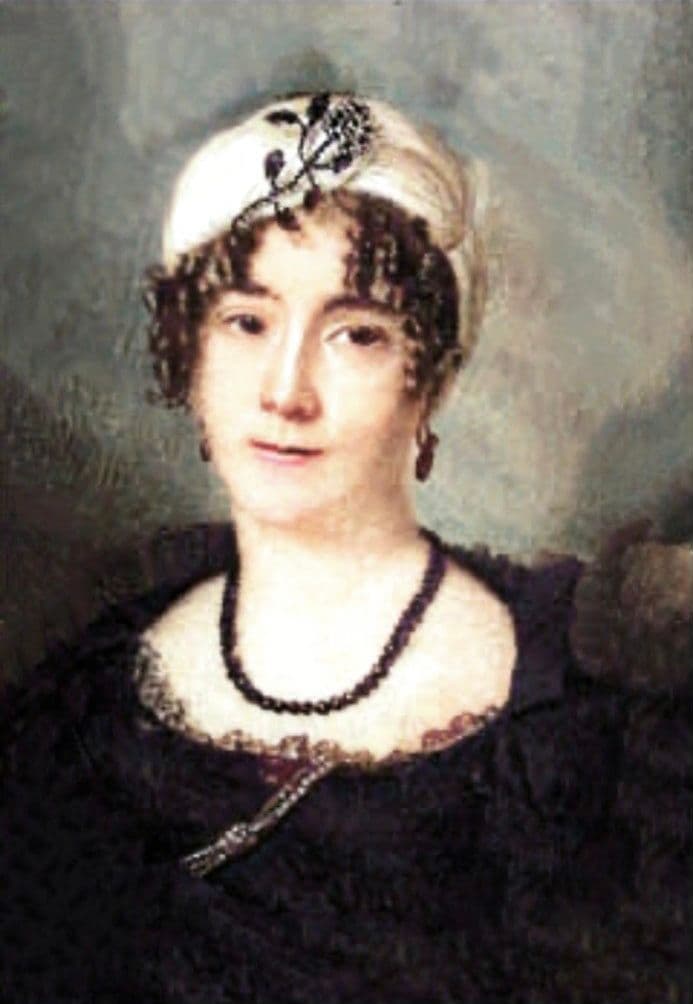
Portrait of Elizabeth Wells Adams
The Quiet Continuity
Elizabeth Wells Adams did not enter history at its beginning.
She entered where it needed to be sustained.
Marrying Samuel Adams later in his life, Elizabeth became part of a world already shaped by revolution, loss, and long years of political struggle. She was not there for the rise of the cause — but for its aftermath, its quiet continuation, and the life that followed.
In this phase, her role was not to transform events, but to hold them together.
Where Samuel carried conviction, Elizabeth provided steadiness. Where public life demanded attention, she maintained the private sphere — the rhythms, the care, the continuity that allowed life to move forward beyond conflict.
Her presence was not dramatic. It was reliable.
Little survives in detail about Elizabeth Wells Adams’s inner life, but the consistent pattern of her role and positioning suggests a clear orientation: She was an ISFJ. Not a driver of change — but a preserver of stability within it.
The Anchor of the Present
Elizabeth’s defining quality was consistency over time.
Entering a life already marked by upheaval, she became a source of continuity and grounding. Her role reflects a focus on maintaining what is known, sustaining daily life, and ensuring that stability persists even after periods of disruption.
She was not oriented toward change. She was oriented toward preservation.
Si dominant: care expressed through reliability.
Attentive Presence
Her care was expressed through attentiveness to others.
As the partner of a man deeply involved in public life, her role required sensitivity, support, and an understanding of emotional needs within the household. This was not about public influence, but about relational presence — ensuring that those around her were supported and sustained.
Her contribution was not visible in speeches or writings. It was felt in consistency and care. This reflects auxiliary Fe providing the relational warmth to her core stability.
Quiet Composure
Elizabeth likely maintained her own quiet understanding of the world, but it remained internal.
Her life does not suggest outward intellectual assertion or debate. Instead, her reasoning would have served her ability to navigate responsibilities with clarity and composure, without becoming the focus itself. This is consistent with tertiary Ti.
The Anchored Reality
There is little indication that Elizabeth sought novelty, expansion, or new directions. Change came from the outside; her role was to stabilize within it, not initiate it. This reflects inferior Ne.
Why ISFJ Over ESFJ
Why not ESFJ?
ESFJs organize socially. Elizabeth remained contained. There is no indication that she sought to lead social networks, host influence-driven gatherings, or position herself as a central public figure. Her presence appears more private, more focused on home and immediate relationships, rather than outward coordination.
An ESFJ expands relational influence. Elizabeth maintained relational stability.
Connected Figures
Further Reading
- Founding Brothers: The Revolutionary Generation — Joseph J. EllisCovers Samuel Adams's firebrand political life and the household stability Elizabeth Wells Adams provided him.
- Founding Mothers: The Women Who Raised Our Nation — Cokie RobertsIncludes the wives of the Massachusetts patriots, the circle Elizabeth Wells Adams moved within.
- Liberty's Daughters: The Revolutionary Experience of American Women, 1750-1800 — Mary Beth NortonContext for the domestic labor of sustaining a household while a husband devoted himself to revolutionary agitation.
