 Historical Figure MBTI
#1321 · 10-2-26 · The Heian–Kamakura Transition
Emperor Antoku
Child Emperor · Figure at the Center of the Genpei War
1178–1185
7 min read
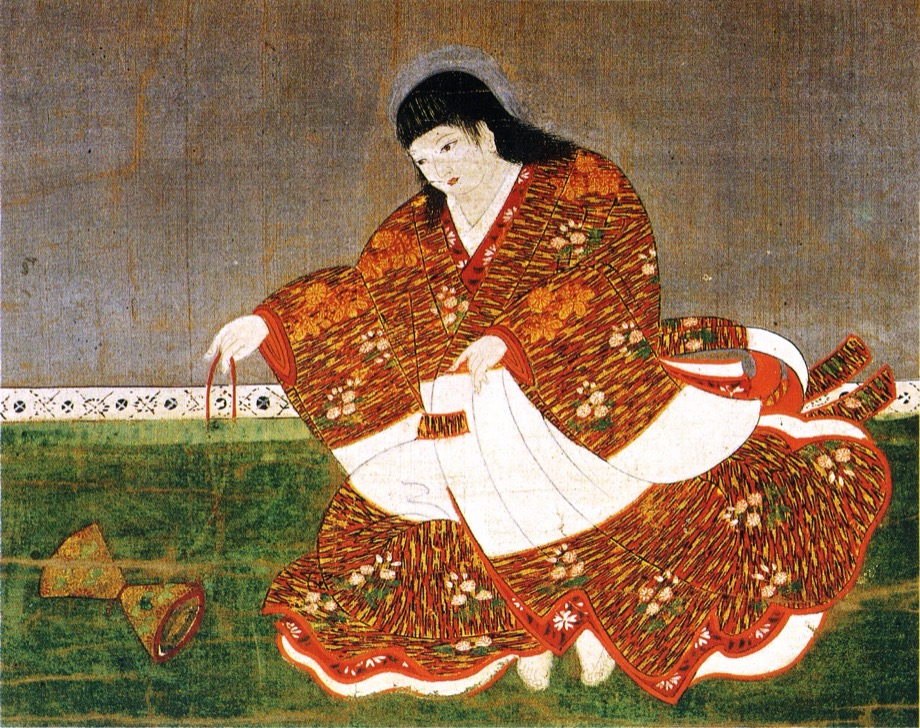
Portrait of Emperor Antoku — Momoyama period (1573–1615) (later depiction)
The title was larger than the child
Antoku was an emperor before he was old enough to understand the political arrangements made around him. Born in 1178 and enthroned in 1180, he occupied a position that adults invested with immense consequence. His body, household, and possession of the regalia became matters of legitimate rule. The personal child and the institutional sovereign were inseparable in events, but they should not be confused in explanation.
He was the son of Emperor Takakura and Taira no Tokuko, and the maternal grandson of Taira no Kiyomori. Those connections made his accession a major advantage for the Taira family. They did not make him the author of that advantage. The political importance of a child can be enormous while the child’s ability to choose policy remains extremely small.
Antoku remains Untyped. He died in 1185, at six by completed years and traditionally counted as eight in the age reckoning used in many Japanese accounts. The record contains ceremony, displacement, adult decisions, and a profoundly moving literary death scene. It does not contain the varied, dependable evidence of a developing person’s preferences that would justify a personality classification.
Accession joined two different kinds of power
His birth placed a prospective sovereign inside a family whose military and courtly influence had expanded under Kiyomori. When Takakura abdicated and Antoku ascended, the maternal family’s standing gained a new relation to the throne. The arrangement continued older ways of seeking power through imperial kinship. Its significance depended on the authority of the imperial institution rather than on replacing that institution with an openly separate family sovereignty.
The distinction helps explain why the child mattered so much. Military force could protect a household or defeat an opponent, but it could not simply manufacture all the recognition associated with an emperor. Antoku’s position supplied a different resource. Adults could act in relation to him, claim to defend him, and organize offices or ceremonies around him. The child did not need to understand those uses for them to have political effects.
The court itself contained overlapping claims. Go-Shirakawa, Antoku’s paternal grandfather, continued to exercise influence as a retired emperor. Takakura’s abdication likewise did not erase every relationship connected with him. The succession was therefore not a clean transfer of all authority to the infant. Several households and positions continued to matter, and their coexistence made room for both cooperation and conflict.
Ceremony should not be dismissed as an empty covering for the real story of armed men. It helped define the positions those men hoped to use. The recognition of a sovereign, the handling of regalia, and the organization of an imperial household gave actions meaning within a shared political language. Antoku’s historical importance lies partly in that language being carried by a person too young to direct its employment.
A capital moved around him
In 1180 the imperial court was moved to Fukuhara at Kiyomori’s initiative. Antoku went with it, and the court returned to Kyoto later that year. The brief relocation is an unusually clear example of the difference between sovereign presence and sovereign decision. The emperor’s presence was necessary to make the move an imperial relocation; the young emperor himself was not choosing the project or assessing its costs.
For officials and households, the change disrupted established places and practices. For Kiyomori, Fukuhara connected the court more closely with his western center and maritime interests. Antoku occupied the center of a decision made through those competing purposes. The surviving political accounts tell us more about the adults’ ambitions and difficulties than about how the child experienced a new residence.
It would be easy to supply an imagined frightened infant or an unusually adaptable one. Neither characterization is warranted. A historically responsible portrait can describe what changed around a child without claiming to know every feeling produced by the change. The absence of such detail is part of the evidence, not a gap that prose must repair with invented intimacy.
Two claims to the throne traveled different roads
Kiyomori died in 1181, and the war continued under other Taira leaders. When the family withdrew from Kyoto in 1183, it took Antoku and the regalia west. The child’s presence helped sustain its imperial claim even as it lost control of the capital. The flight joined a household in danger to a political argument about who possessed legitimate authority.
Go-Toba was enthroned in Kyoto while Antoku remained with the Taira. The result was a divided succession claim, rather than a simple interval in which one emperor voluntarily retired and another succeeded without dispute. The regalia further complicated recognition. Their importance did not mean that everyone who lacked physical possession ceased to act; it meant that legitimacy could be contested through several overlapping forms of evidence and authority.
The distinction between Antoku and the Taira leadership remains essential. Being carried with the family did not make the child its military commander. Adult relatives selected routes, sought support, and conducted the fighting. His name and presence could organize allegiance without his consent being recoverable. The biography should therefore describe the imperial household’s movement while attributing strategic choices to the people able to make them.
Accounts associate the displaced court with refuges in the western provinces, including Yashima. These were not merely stops on an adventurous journey. A mobile imperial household needed food, shelter, attendants, transport, and protection. The narrowing military position made those dependencies increasingly precarious. Understanding the material problem gives the child’s situation substance without turning every later story of flight into a verified scene.
The sea scene is a narrative, not a transcript
Antoku died when the Taira were defeated at Dan-no-ura in 1185. In the Tale of the Heike, his grandmother Tokiko gathers him in her arms and enters the sea. The tale supplies the child’s question, her explanation, and ritual gestures before the plunge. The scene offers a way to confront a death otherwise difficult to make intelligible: a sovereign child is led out of the visible world through the language of another realm.
The dialogue is not an eyewitness psychological interview. Its words, sequence, and consoling imagery belong to a medieval literary account shaped through transmission and performance. Quoting the child as if his exact last speech survived would give the scene a certainty it cannot support. The narrative can be moving and historically consequential without every sentence being biographically authenticated.
The grandmother is Tokiko, not his mother Tokuko. Tokuko also entered the water and was rescued, becoming a surviving center of the tale’s closing movement. Keeping those people distinct preserves the family relationships and the different fates around the child. It also prevents the powerful image of one adult’s final action from being carelessly transferred to another.
The loss of the imperial sword became another lasting feature of the catastrophe’s memory. The tale connects the regalia’s fate with the child’s death, joining material symbols and human loss. Later explanations and religious interpretations gave that connection additional meanings. These traditions help explain the event’s cultural afterlife; they should not be recruited as evidence of Antoku’s own beliefs or decisions.
Memory gave the child other lives
Antoku became the object of religious commemoration, especially at the institution now known as Akama Jingū in Shimonoseki. Its history includes an earlier Buddhist memorial setting and later transformations into a shrine. Remembering that change prevents the present institution from being projected unchanged into the twelfth century. Different generations honored the dead child through the religious and political forms available to them.
Performance traditions also imagined survival. The National Theatre’s account of Antoku in kabuki identifies his appearance in Yoshitsune Senbon Zakura, where the historical catastrophe becomes material for dramatic concealment and return. Such a role documents a theatrical afterlife. It cannot overturn the biographical account of his death merely because a surviving emperor makes an effective story.
Connected Figures
Further Reading
- The Tale of the Heike — Translated by Helen Craig McCulloughThe medieval narrative preserves the rise and fall of the Taira through a morally and artistically shaped account.
- Lovable Losers: The Heike in Action and Memory — Edited by Mikael S. Adolphson and Anne CommonsEssays distinguish Taira political activity from its later cultural representations.
- Antoku in Kabuki — National Theatre, Cultural Digital LibraryIdentifies theatrical versions of the child emperor and distinguishes them from his historical death.
- History of Akama Jingū — Akama JingūDescribes the changing religious institutions through which the emperor has been commemorated.
