 Historical Figure MBTI
#752 · 6-5-26 · The Portuguese Indian Ocean
Garcia de Orta
Physician · Botanist · Colloquies on the Simples
c. 1501 — 1568
3 min read
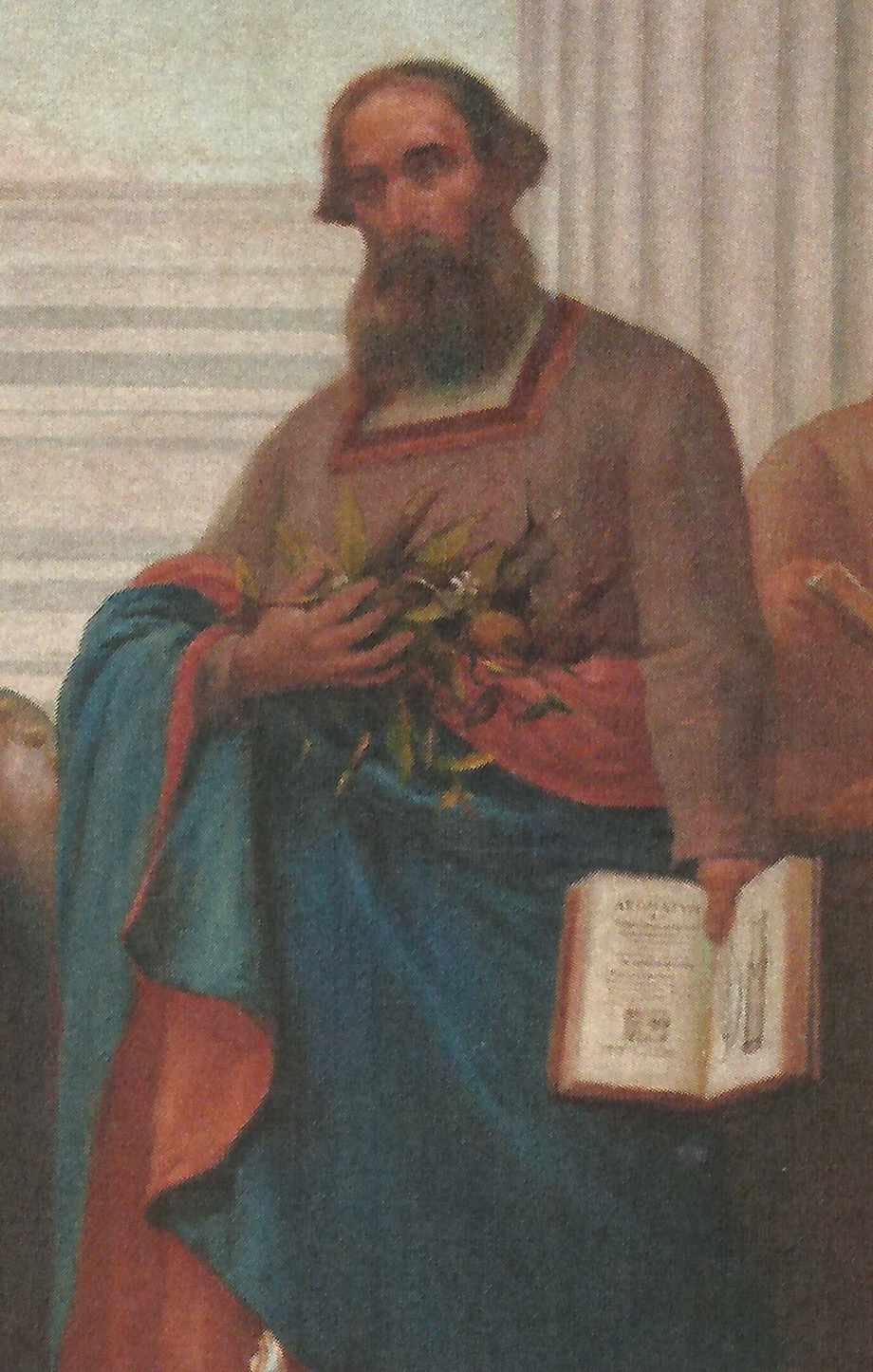
Portrait of Garcia de Orta
A Man Who Went and Looked
Garcia de Orta was born around 1501 at Castelo de Vide, into a family of Spanish Jews who had fled to Portugal in 1492 and were swept into the forced mass baptism Manuel I imposed on the country's Jews in 1497. That made him a New Christian, and by every surviving indication his family kept practicing Judaism in private, under a king and then a kingdom that was building an apparatus to hunt exactly that. Orta studied medicine at Salamanca and Alcalá, lectured at Lisbon, and in 1534 — three years before the Portuguese Inquisition was formally established — sailed for India as physician to Martim Afonso de Sousa's fleet. It was a career appointment. It was also, transparently, an escape.
In Goa he built a large medical practice, treated viceroys and the Sultan of Ahmednagar, held a lease on the island of Bombay from 1554, and kept a garden there where he grew, examined, and cross-questioned the drugs of Asia rather than take them on the word of Dioscorides. The book that came out of thirty years of that habit, Colóquios dos Simples e Drogas e Cousas Medicinais da Índia, printed at Goa in 1563, is the first work of European science built on the premise that Asian knowledge was evidence, not rumor to be filtered through a Greek textbook.
An INTP instinct governs the whole book: where his contemporaries cited authority, Orta went and checked.
Psychological Verdict
Orta's book reads less like a treatise than a transcript of an argument, and that structure is the clearest evidence of the mind behind it. He wrote it as a dialogue between himself and Ruano, a newly arrived European physician who keeps reaching for Galen, Avicenna, and Dioscorides; Orta keeps answering with a specimen in his hand — a plant he grew, a preparation he watched a local practitioner make, a taste he tried himself. That is an INTP signature: authority treated as a claim to be tested, not a fact to be repeated, and the testing done for its own sake rather than for advancement or acclaim. He named Avicenna and Dioscorides directly and said, calmly, that they were wrong about cinnamon, about ginger, about a dozen other things Europe had copied out of each other for centuries without checking. There is no sign in the record of a man building a faction or courting patronage beyond what a physician needs to practice; what survives is a decades-long argument with an inherited textbook, conducted from the position of someone who had actually gone and looked.
The Book, and What It Held
The Colóquios — printed at Goa in 1563, one of the earliest books printed anywhere in India — covers roughly sixty substances: cinnamon, pepper, cardamom, ginger, opium, camphor, betel, cannabis, asafoetida, mangosteen, plus diamonds and Indian medical practice generally. It includes a clear clinical description of Asiatic cholera, laid out for European medicine essentially for the first time. The book found its European audience sideways: the Flemish botanist Carolus Clusius produced a Latin abridgement in 1567 that carried Orta's material into the continental mainstream, usually stripped of the argument that gave it its point. Among the prefacing poems was a commendatory ode by the young Luís de Camões, one of his first published works.
Connected Figures
Further Reading
- Colóquios dos Simples e Drogas da Índia — Garcia de OrtaThe original 1563 Goa edition, written as a dialogue between Orta and a skeptical newcomer physician.
- Colloquies on the Simples and Drugs of India — Trans. Clements MarkhamThe standard English translation, 1913.
- Medicine, Trade and Empire: Garcia de Orta's Colloquies on the Simples and Drugs of India (1563) in Context — Ed. Palmira Fontes da CostaEssay collection situating the Colóquios within Portuguese imperial science and the Inquisition's shadow.
- Two Pioneers of Tropical Medicine: Garcia d'Orta and Nicolás Monardes — Charles R. BoxerA concise biographical study pairing Orta with his Spanish counterpart.
- Catholic Orientalism — Ines G. Županov & Ângela Barreto XavierOn Portuguese Goa's religious and intellectual world, including the Inquisition that destroyed Orta's family.
