 Historical Figure MBTI
#846 · 6-18-26 · The American Civil War
Henry Halleck
Union General-in-Chief · 'Old Brains'
1815 — 1872
2 min read
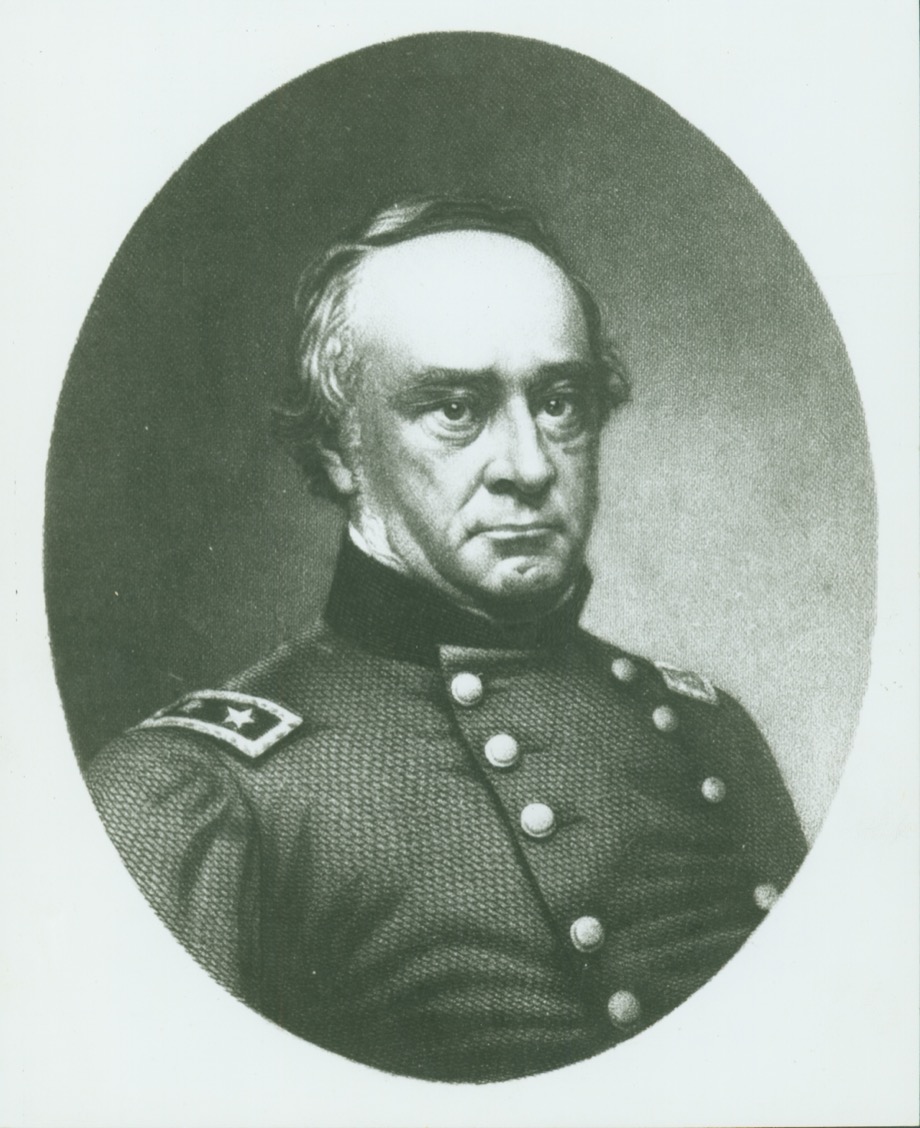
Photograph of Henry Halleck, c. 1860s
The General Who Preferred the Page to the Field
Before he ever wore a uniform in anger, Henry Halleck had already made himself the foremost military theorist in the United States. He translated Jomini's studies of Napoleon, wrote his own widely respected textbook, Elements of Military Art and Science, and built a second fortune as a California lawyer specializing in land and mining claims. It was a career built entirely on the mastery of abstract systems — law, theory, terrain read on a map rather than walked in person — long before it was ever tested against the chaos of an actual campaign.
When Lincoln summoned him to Washington in 1862 to serve as general-in-chief, it was on the strength of that reputation — a scholar's credentials applied to a command that demanded something else entirely. The armies he now oversaw were scattered across a continent, run by generals with their own ambitions and tempers, and the job called for someone willing to impose a single decisive will on that sprawl. Halleck, whatever his gifts, was not that man.
What Halleck delivered was not decisive leadership but a kind of relentless, careful analysis, forever one remove from the men and armies whose fates he was supposedly directing. He relayed Lincoln's wishes rather than issuing his own orders, offered critique rather than commitment, and built an elaborate apparatus of correspondence and logistics that kept the war's machinery running even as it failed to point that machinery anywhere in particular. Contemporaries called him "Old Brains" half in admiration, half in exasperation — and the mind behind the nickname is unmistakably INTP.
Halleck could dissect a campaign brilliantly on paper and still flinch from ordering it — the gap between an INTP's mastery of theory and the will to act on it, played out across a continental war.
It is a case study in a mind built for analysis rather than command — formidable at understanding a war, reluctant to own the outcome of fighting one.
Connected Figures
Further Reading
- Henry Halleck's War: A Fresh Look at Lincoln's Controversial General-in-Chief — Curt AndersA revisionist look at Halleck's much-maligned tenure.
- Commander of All Lincoln's Armies: A Life of General Henry W. Halleck — John F. MarszalekThe standard biography, sympathetic to Halleck's administrative strengths.
- Battle Cry of Freedom: The Civil War Era — James M. McPhersonThe definitive one-volume history situating Halleck within the wider Union command structure.
