 Historical Figure MBTI
#634 · 5-10-26 · Sengoku Japan
Ii Naotora
Lady Daimyō of Ii · Guardian of the Clan · Foster Mother of a General
d. 1582
6 min read
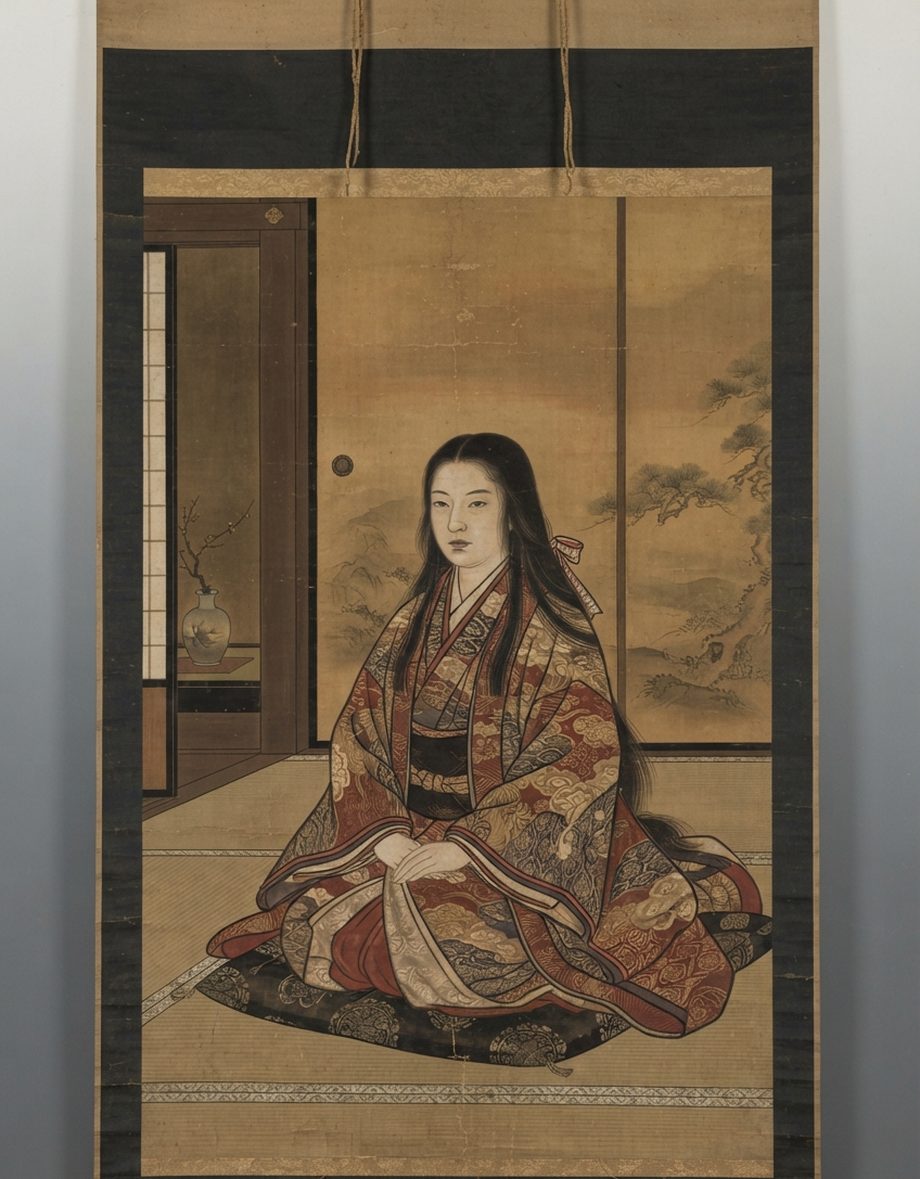
AI-assisted Portrait of Ii Naotora
The Woman Who Would Not Let a House Die
History gave her almost nothing to stand on. There is no reliable birth year, no undisputed likeness, barely a firm handful of facts — and even those are argued over by modern historians, some of whom doubt that a woman ran the Ii clan at all. Any honest account of Ii Naotora has to begin by admitting how thin and how late the sources are. And yet the shape that survives the doubt is the shape of a ruler: a house on the edge of extinction, its men killed off one by one, and a single figure stepping into the vacuum to hold the domain together and keep its heir alive.
The Ii were a samurai house of Tōtōmi, caught in the grinding violence of the age — the wars and purges around the Imagawa that carried off her father and other men of the clan in quick succession. With no adult male heir left to lead, Naotora — a woman, and by some accounts a nun who took the name Jirō Hōshi — is recorded as having assumed the effective headship of the domain, holding the stronghold of Iinoya and steering what remained of the family through catastrophe. Whether we call it a formal lordship or an improvised guardianship, the behavior the record preserves is the same: someone took charge, and the house did not fall.
What the thin record shows is not a woman merely keeping a station but one assuming command of a domain — the outward, directive Te of an ESTJ, steadied by the Si instinct for continuity: the guardianship of a line, judged not by glory but by whether it survived.
Taking Command of a Broken House
Te — dominant
Dominant Te is the impulse to seize a domain and make it function — to assume command when a situation demands a hand on it, whether or not custom grants the right. That is the striking thing about the little we know of Naotora. Sengoku Japan had no role for a woman as clan head; the offices, the vassals, and the fortress were all men's business by every convention of the day. What the record preserves is a woman doing the business anyway: when the men who should have led the Ii were dead, she did not wait for a custom that was never going to come. She stepped into the vacuum and ran the domain.
This is the outward, executive face of Te, and it is what separates her from a merely loyal caretaker. The evidence — thin as it is — describes active administration: holding Iinoya, keeping the clan's affairs in order through catastrophe, and protecting the one asset that mattered, the young heir. A house in this position could simply have dissolved. That the Ii instead survived as a coherent entity, with something to pass on, is the kind of result Te lives for. We should be careful — the sources are late and partly disputed — but even the cautious reading is a Te reading: the mark of the type is not the title but the taking of responsibility for a whole system and driving it toward survival.
The Guardian of Continuity
Si — auxiliary
If Te supplied the will to take command, auxiliary Si supplied the object of that command: continuity itself. Naotora is remembered for one achievement above all others — safeguarding and raising the young heir, Ii Naomasa. In an age that measured a house by its capacity to persist across generations, the guardianship of a child was not a domestic sideline; it was the whole point. The Si ruler thinks first not of conquest or reputation but of the thing entrusted to them: the line, the name, the inheritance that has to reach the next hand intact.
Everything the tradition credits to her bends toward that steady, custodial purpose. She is not remembered for a battle or a bold gamble but for the patient work of keeping a boy alive and a domain whole until he could carry both — the guardianship of succession, easy to underrate and precisely the kind of contribution history records thinly, which may be part of why her own record is so faint. The vindication came through the heir. Under the protection she helped secure, Naomasa entered the service of Tokugawa Ieyasu and rose to become one of his greatest generals. The line she had kept alive did not merely survive — it flourished. That is the Si guardian's whole reward: to hand the future something worth inheriting.
Why ESTJ Over ISTJ
Why not ISTJ?
The pull toward ISTJ is real, and honesty about the evidence makes it stronger: a dutiful woman, perhaps a nun, quietly keeping the family station until an heir came of age reads as introverted Si loyalty more than assertive command. But the sliver of record we have describes an active assumption of leadership — taking charge of a domain, not merely guarding a post — and that outward, directive move to run the whole system is Te in its extraverted, ESTJ form. The caveat matters: the sources are thin, and a firmer record might soften the E. On what survives, though, she acted.
The distinction is narrow. ISTJ and ESTJ share the same Te–Si spine — the same reverence for duty, order, and continuity. What separates them is the direction of the dominant hand: the ISTJ upholds a structure from within, while the ESTJ reaches out to seize and steer it. The Naotora the record preserves does the seizing. On a fuller record the verdict might bend, but on this one the woman who assumed command of a dying house is best read as an ESTJ.
Connected Figures
Further Reading
- Samurai Women 1184–1877 — Stephen TurnbullA focused survey of women in the samurai world — the essential starting point for understanding the rare cases, like Naotora's, of women exercising clan authority.
- The Samurai: A Military History — Stephen TurnbullThe standard narrative history of the samurai; useful for the wider Sengoku context of the Imagawa wars that nearly destroyed the Ii.
