 Historical Figure MBTI
#851 · 6-19-26 · The American Civil War
John A. Rawlins
Grant's Chief of Staff · Conscience of the Staff
1831 — 1869
3 min read
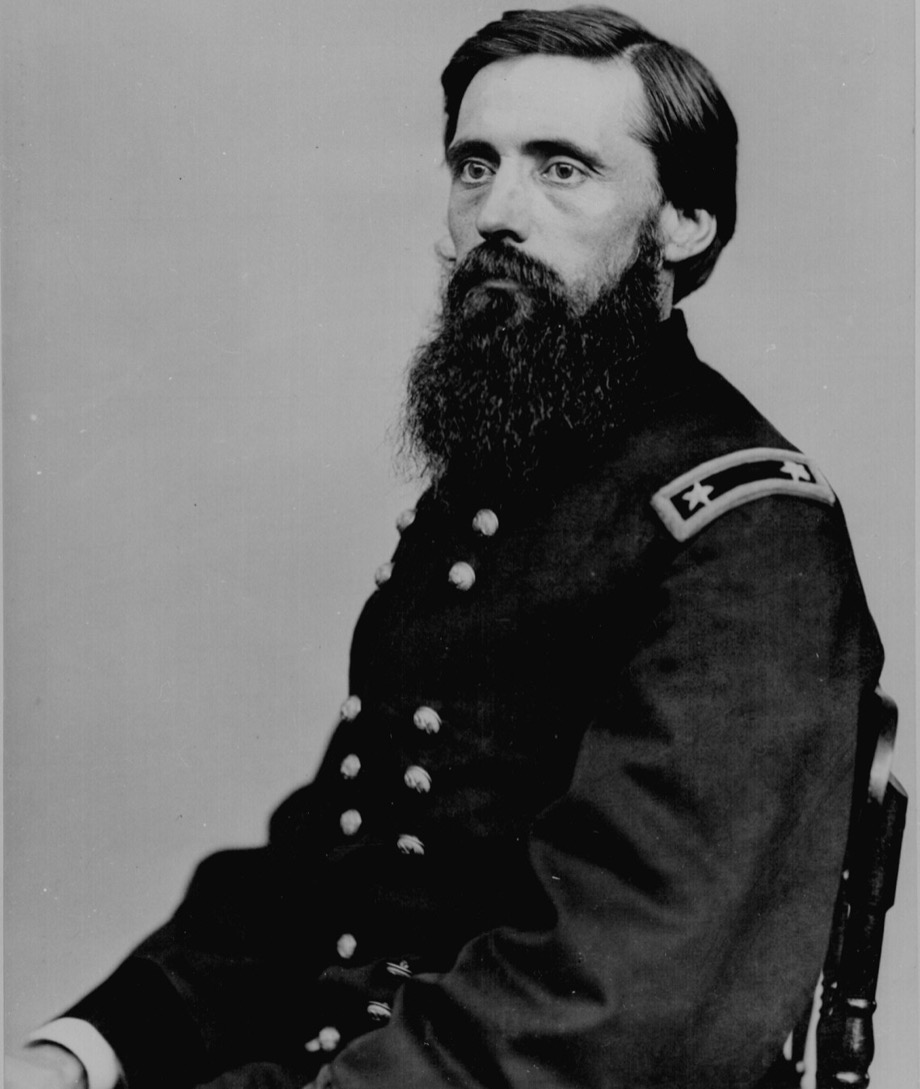
Photographic Portrait of John A. Rawlins
The Man Who Told Grant No
Every general who mattered in the Civil War had someone beside him who did the unglamorous work of keeping the machine running. Grant had John Rawlins — a small-town lawyer from Galena, Illinois, with no military training and no interest in glory, who attached himself to Grant in 1861 and never really left his side again. Rawlins had buried a young wife to tuberculosis that same year, and the war, for him, arrived as both duty and refuge; he threw himself into Grant's headquarters with the single-minded intensity of a man who needed somewhere to put his grief.
What Rawlins became there was not a battlefield tactician but something rarer and, in its way, more indispensable: the one person on Grant's staff willing to confront the commanding general to his face about his drinking. Their friendship survived those confrontations because Rawlins never delivered them as insults — he delivered them as obligations, the plain discharge of a duty he had assigned himself. He handled the orders, the correspondence, the staff discipline, the thousand small procedural threads that held an army's command structure together, with the same rigor he brought to guarding his friend's character.
Rawlins was an ISTJ down to the bone — a man who measured loyalty not in flattery but in the willingness to hold a friend to a standard, even when it cost him comfort to say so.
He followed Grant from the war's opening campaigns in the West through Appomattox, and then into the White House, where he served briefly as Secretary of War before the tuberculosis that had taken his first wife finally caught him too, in 1869 — months into the post, his usefulness to Grant undiminished to the end.
There is a particular kind of loyalty that only an ISTJ seems capable of sustaining: not the loyalty of agreement, but the loyalty of standards enforced. Rawlins's letters from the field read less like the correspondence of a friend and more like the ledger of a man auditing another man's character against a fixed and unbending measure — one he applied to himself with equal severity. He was not charming. He was not, by most accounts, easy to be around when he had decided a line had been crossed. But he was there, year after year, doing the paperwork of an army and the harder work of keeping its commander honest, long after subtler or more diplomatic men might have let the matter drop.
Connected Figures
Further Reading
- The Life of John A. Rawlins — James H. WilsonAn early, admiring biography by a fellow staff officer who knew him personally.
- Grant — Ron ChernowThe definitive modern biography; covers Rawlins's role as Grant's conscience in detail.
- Grant Takes Command — Bruce CattonTraces the wartime partnership through the war's final campaigns.
