 Historical Figure MBTI
#1194 · 8-31-26 · The Mughal Empire
Khwaja Kalan
Commander · Companion of Babur
Active early 16th century
3 min read
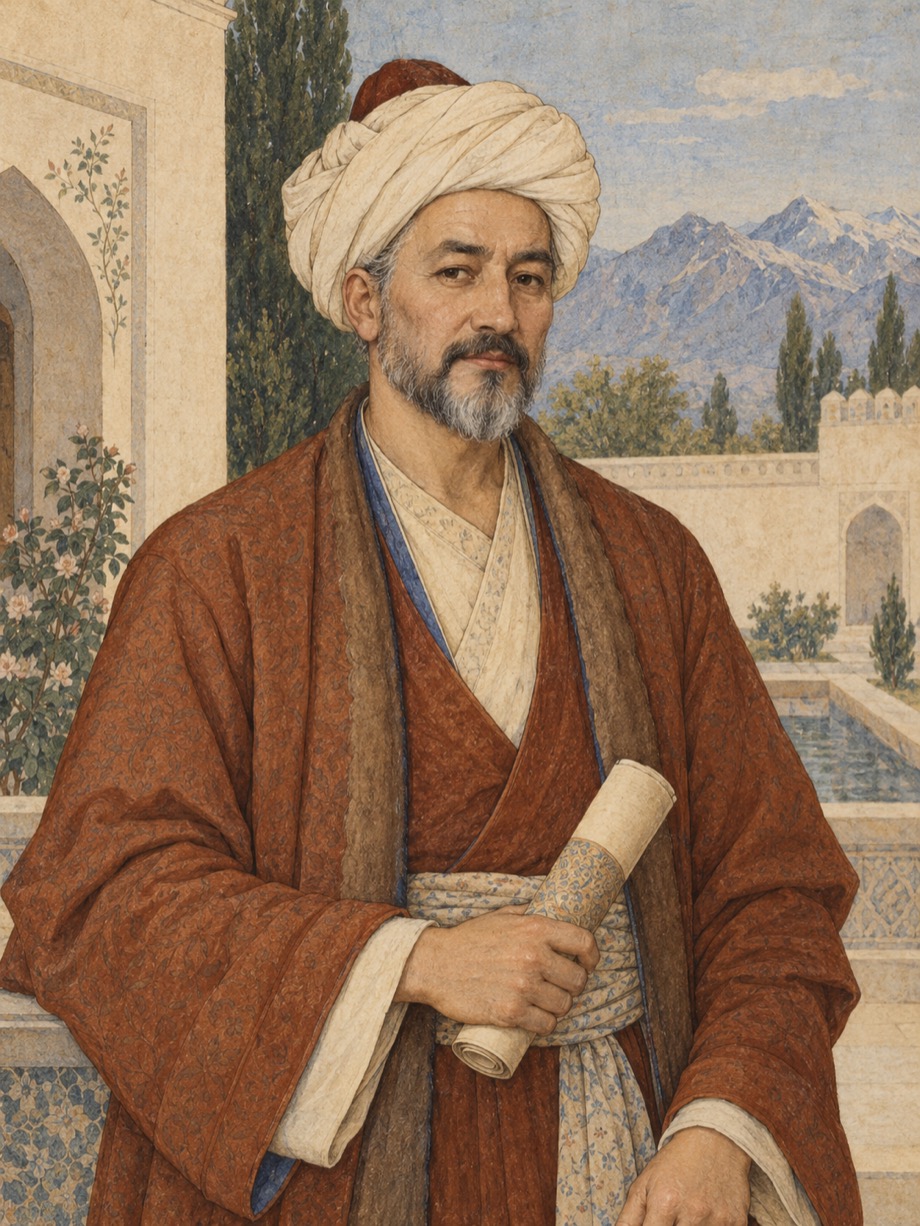
AI-assisted Portrait of Khwaja Kalan
Victory was not a home
Khwaja Kalan helped Babur conquer northern India and then wanted to leave it. The contradiction is useful. A commander could fight bravely for a prince without sharing the prince’s willingness to make an unfamiliar country the center of his future. After Panipat and the occupation of Agra in 1526, Khwaja Kalan became one of the most determined voices for returning to Kabul. In Babur’s account, his earlier conduct had been admirable. The objection came after success.
He belonged to the circle of officers who accompanied the ruler in campaigns and received substantial responsibilities. Babur’s memoir places him in military consultations and frontier affairs before the Indian conquest. These appearances reveal a trusted working relationship, although they do not supply a complete biography. His exact birth and death dates are not securely established here. He enters our view through the tasks and exchanges a sovereign chose to remember.
The discontent at Agra was more than a failure to appreciate a newly won kingdom. Babur describes heat, difficulty obtaining supplies, and sickness among his men. Some followers wanted the spoils of a successful expedition and a return to familiar surroundings. Staying meant another undertaking: defending territory, establishing revenue, and living through conditions the army found oppressive. Khwaja Kalan’s preference exposed the difference between completing a campaign and agreeing to build a state.
A departure with duties attached
Babur called his officers together and argued that their years of hardship should not end in abandoning the conquest. Khwaja Kalan nevertheless remained unwilling to stay. The resulting arrangement was a managed departure. He was to return with a substantial retinue and help ensure that Kabul and Ghazni were properly provisioned and maintained. Babur assigned him Ghazni, Gardez, and associated territories, as well as a revenue district in India. A disagreeable decision did not erase his usefulness.
The relationship also had a literary edge. The memoir reports that Khwaja Kalan left verses on walls in Delhi expressing how thoroughly he disliked Hindustan. Babur answered in verse and objected to the public insult. We have the exchange through Babur’s telling, with his irritation attached. It shows two men using literary wit inside a real disagreement over where they could bear to live, without giving us neutral access to either side.
Gulbadan’s family memoir places Khwaja Kalan in the distribution of gifts sent from the Indian victory to the household at Kabul. Instructions included organizing a thanksgiving outing for the royal women. The returning officer thus helped connect the conqueror with the family he had left behind. The man who resisted India could still serve the dynasty by carrying the benefits and news of its conquest home.
Psychological verdict
Khwaja Kalan remains Untyped. One emphatic preference, even accompanied by a pointed poem, cannot identify the usual structure of a mind. Heat, health, responsibilities, attachments, and expectations of military service could all have affected his decision. The surviving evidence chiefly concerns Babur’s reaction to him; it offers little sustained personal testimony beyond this encounter. We can recognize independent judgment and practical importance without pretending to know how he made decisions across the rest of his life.
Connected Figures
Further Reading
- Baburnama — Babur; translated by John Leyden and William ErskineThe principal account of the disagreement over remaining in India and the authorized return.
- The History of Humayun (Humayun-Nama) — Gulbadan Begum; translated by Annette S. BeveridgeSupplies the household perspective on gifts sent from the conquest to Kabul.
- Babur: Timurid Prince and Mughal Emperor, 1483–1530 — Stephen F. DaleExplains the difficulties of moving from Central Asian campaigns to government in India.
