 Historical Figure MBTI
#1230 · 9-9-26 · The Mughal Empire
Mahabat Khan
Mughal Commander · Captor of an Emperor
Died 1634; birth uncertain
5 min read
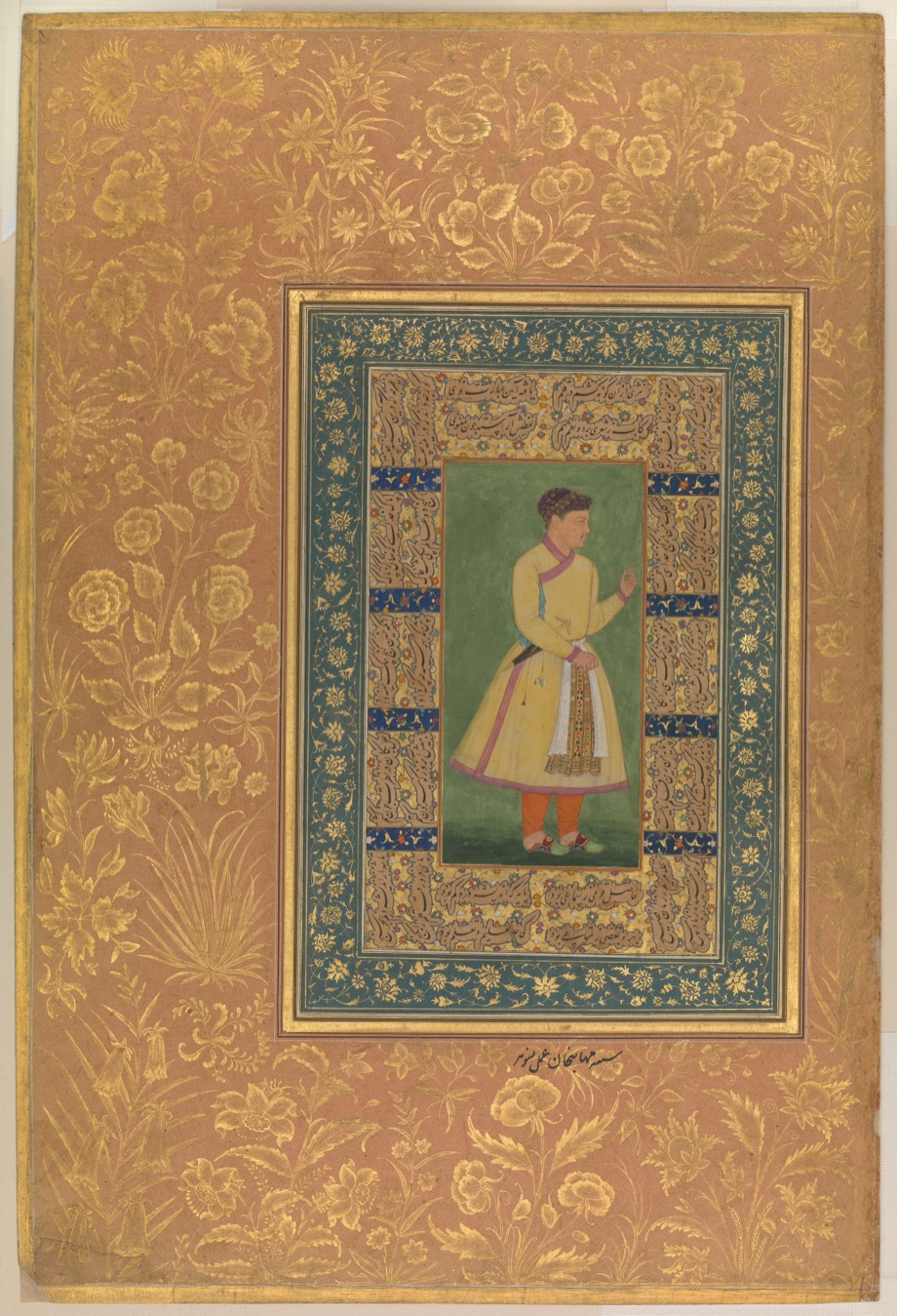
Portrait of Mahabat Khan — c. 1610
Taking the Emperor Was Not Taking the Empire
In 1626 the imperial camp was moving across the Jhelum when Mahabat Khan seized Jahangir. The court’s movement had separated the emperor from much of his supporting force. A commander under pressure found himself within reach of the person whose authority could protect him. He used the opening. For a time, possession of the sovereign seemed to have reversed his position: the accused servant had become the keeper of his master.
The event made his reputation, but it should not define the whole career. Born Zamana Beg, with a birth date not securely established, Mahabat had already performed extensive imperial service. He fought for Jahangir against Prince Khurram’s rebellion and later served that same prince after his accession as Shah Jahan. The sequence exposes the contingent character of loyalty at this court: today’s royal enemy could become tomorrow’s employer without erasing the officer’s experience.
The proposed ESTP interpretation is low confidence. It rests on a repeated capacity to engage changing military circumstances, with the seizure providing a particularly sharp instance. It does not follow from being a soldier, nor from a romantic image of the fearless rebel. His success in reaching the emperor and his failure to retain political control must be read together.
The tentative ESTP reading begins with Extraverted Sensing: Mahabat Khan repeatedly acted on immediate opportunities, most dramatically when the moving court left Jahangir within his reach.
An Opening in the Moving Camp
The seizure grew out of a contest over his position, including demands for an accounting of campaign spoils and conflict with the circle surrounding Nur Jahan and Asaf Khan. The allegations should not be converted into established guilt, and resentment should not be invented as his sole motive. What is documented is a commander arriving with armed followers at a court where political suspicion could turn an order to appear into a threat to status and security.
Dominant Extraverted Sensing offers an interpretation of the response. Mahabat altered the situation through the troops and proximity available to him. The moving camp presented a practical opening, and he took it before the dispersed imperial apparatus could reunite. This was an intervention in the immediate distribution of force. It does not require imagining a lifelong inability to plan or a permanent attraction to spectacle.
The earlier campaigns also matter. Jahangir’s memoir records substantial rewards for his service against Khurram, while later chronicles describe the pursuit across rivers and contested routes. Such operations involved movement, information and cooperation with local resources. The seizure was therefore the act of an experienced commander, not a sudden revelation that an otherwise unknown courtier possessed courage.
The Logic of Keeping a King
Auxiliary Introverted Thinking is a tentative account of the seizure’s compact practical logic: reach the emperor, prevent hostile courtiers from controlling access, and preserve one’s position through the person from whom rank and pardon flowed. The logic had force because Mughal authority was personal as well as institutional. It also had a flaw. A captive sovereign brought an entire household, established loyalties and competing channels of communication into the captor’s orbit.
Nur Jahan’s attempted armed rescue failed, but failure at the river did not make her politically helpless. By joining Jahangir and working within the unfolding situation, the imperial party eventually recovered freedom. Mahabat could impose an immediate constraint; he could not indefinitely convert that constraint into willing acceptance by the whole court. Physical custody and durable authority demanded different kinds of control.
This outcome limits the psychological reading. We cannot know whether he privately reconsidered the premise of the seizure or merely recognized that the balance had shifted against him. His retreat and later alignment with Khurram demonstrate adjustment in action. They do not supply an internal monologue explaining every move.
Followers and the Price of Recognition
Tertiary Extraverted Feeling is the most cautious positive inference here. His action depended on followers prepared to sustain his command, and his later return to high service depended on recognition by a new sovereign. These relationships suggest that tactical competence operated within a social field of loyalty, honor and negotiated acceptance. They cannot establish warmth, sociability or the emotional skill with which he managed individual men.
The connection to Khurram is especially instructive. The commander who had pursued the rebellious prince became useful to him as emperor. Neither side needed to forget the past for service to resume. A court could accommodate a capable former adversary when the practical benefits outweighed the danger. Mahabat’s survival reveals that accommodation, rather than an uncomplicated conversion from rebel to loyalist.
Testing the ESTP Reading
Why not ISTP?
ISTP remains plausible for an experienced commander capable of practical calculation and independent action. ESTP receives a narrow preference because the decisive evidence shows him changing the external situation through an immediate opening before securing a durable political arrangement. The choice between them is uncertain: a chronicle naturally preserves visible acts more readily than the private deliberation behind them.
Inferior Introverted Intuition is not established by the failure of his seizure. Many well planned operations fail, and a single outcome cannot diagnose a weakness in foresight. The full stack remains an editorial possibility, while the distinction between tactical opportunity and lasting political control is historically demonstrable.
Connected Figures
Further Reading
- The Jahangirnama: Memoirs of Jahangir, Emperor of India — Jahangir; translated by Wheeler M. ThackstonDocuments his imperial service and rewards before the seizure.
- Nur Jahan: Empress of Mughal India — Ellison Banks FindlyA detailed account of the rebellion, the failed rescue and the recovery of royal freedom.
- The Shah Jahan Nama of Inayat Khan — Inayat Khan; translated by A. R. Fuller, edited by W. E. Begley and Z. A. DesaiPlaces his later Deccan service within the history of Shah Jahan’s reign.
- The Emperors’ Album: Images of Mughal India — Stuart Cary Welch, Annemarie Schimmel, Marie L. Swietochowski and Wheeler M. ThackstonOffers portraits and biographical studies of Mughal grandees, including Mahabat Khan.
