 Historical Figure MBTI
#1008 · 7-25-26 · The Second World War
Paul Tibbets
Pilot of the Enola Gay · The Man Who Dropped It · Duty Without Flinching
1915 — 2007
4 min read
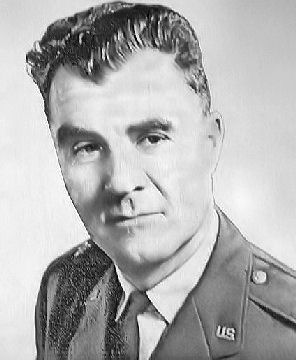
Portrait of Paul Tibbets
Chosen for Nerve, Not for Doubt
Paul Tibbets was thirty years old when General Curtis LeMay handed him the assignment of a lifetime: build and command a secret bomber group capable of delivering a weapon most of its own crews would not be told existed. Tibbets was not chosen for his rank or his politics. He was chosen because he had already proven, in the skies over occupied Europe, that he could fly an unprecedented and dangerous mission calmly, on the first try, without the mission unraveling around him — he had piloted the lead B-17 on the United States' first daylight bombing raid over Nazi-occupied Europe in 1942, a job that demanded split-second improvisation more than careful preparation.
That same cool, hands-on competence carried him through eighteen months of building the 509th Composite Group from scratch, training crews for a weapon they couldn't be shown, and finally climbing into the cockpit of a B-29 he had named after his mother, Enola Gay, to fly it over Hiroshima on August 6, 1945. He executed the mission exactly as rehearsed and never, in sixty-two years of life afterward, expressed public regret for having done it.
Tibbets's ESTP temperament is the reason he was chosen at all — dominant Se meeting an unrepeatable moment with total, unhesitating physical presence.
A Pilot Built for the Live Moment
Tibbets's dominant Se is the through-line of his entire career: a man who thrived precisely in the moments other pilots dreaded, reading a live situation and acting inside it rather than retreating into planning or doubt. He flew the lead aircraft on the daylight raid over Rouen not because he had rehearsed every contingency but because commanders trusted his instincts to hold up when contingencies ran out. That same instinct got him picked, over pilots with equal or greater seniority, to command the 509th — the Army wanted someone who would not freeze or improvise badly when the actual bomb run arrived.
On the morning of August 6, Tibbets flew the mission with the same physical steadiness he had shown for years: threading Enola Gay through the assigned corridor, executing the sharp diving turn designed to outrun the blast, and returning to base without a wasted motion. Witnesses who flew with him that day described not tension but a kind of working calm — a man fully inside the moment he had spent his whole career preparing, without quite knowing it, to inhabit.
The Engineer Behind the Nerve
Underneath the daring sat a rigorous auxiliary Ti that made Tibbets more than a fearless stick-and-rudder man. Building the 509th from nothing required him to solve a genuinely novel engineering and logistics problem: how do you train bomber crews for a weapon of unknown weight, unknown yaw, and unknown blast radius, using a modified aircraft stripped of armor to save fuel for a mission profile no one had ever flown? Tibbets worked the specifications personally — the reverse dive-and-turn maneuver that gave the crew a chance of surviving their own bomb was his own calculated solution, tested and refined at Wendover before it was ever needed for real.
That analytical precision is why he was trusted with operational command rather than only cockpit duty. He understood the mechanics of the mission as a system to be engineered, not just an act of nerve to be performed — and he insisted on flying the mission himself once the systems were built, rather than delegating a task he alone had fully worked out.
Why ESTP Over ISTP
Why not ISTP?
An ISTP Tibbets would have preferred to work quietly with machines and avoid the command spotlight — but Tibbets actively sought and thrived in the outward-facing role of building and leading an entire group, briefing crews, managing egos, and later spending decades publicly defending the mission in interviews and his own memoir. That comfort operating in the open, engaging people rather than retreating from them, points to extraverted rather than introverted sensing leading his stack.
Tibbets's ESTP profile explains both halves of his reputation: the pilot trusted with the boldest single mission of the war, and the old man who, asked again and again for sixty years whether he had regrets, answered with the same unflinching, present-tense certainty every time.
Connected Figures
Further Reading
- Return of the Enola Gay — Paul TibbetsTibbets's own memoir of the mission and its aftermath
- Enola Gay — Gordon Thomas & Max Morgan WittsDetailed narrative history of the mission and its crew
- The Making of the Atomic Bomb — Richard RhodesDefinitive history of the weapon Tibbets delivered
- Ruin from the Air — Gordon Thomas & Max Morgan WittsCompanion account of the Hiroshima mission's planning
