 Historical Figure MBTI
5 min read
#205 · 3-21-26 · The Age of Alexander
Philip II of Macedon
The Architect of the Phalanx
r. 359 – 336 BCE
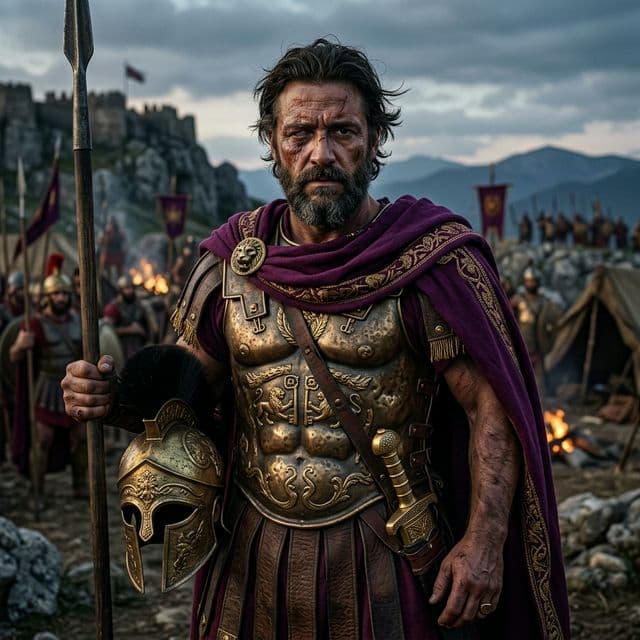
AI-assisted portrait of Philip II of Macedon
The Architecture of Structure
Philip II did not just inherit a kingdom; he engineered a superpower. When he took the throne of Macedon in 359 BCE, it was a fractured, backwater state threatened by Illyrians, Thracians, and internal rivals. While his son Alexander would later lead with a visionary, relational charisma (Fe), Philip’s genius was profoundly structural (Te). He saw the chaos of the Greek world and the technical limitations of traditional warfare, and he rebuilt Macedonian society into a monolithic engine of efficiency.
He was the master of the long game and the hard truth. From the invention of the sarissa (the long spear of the phalanx) to the professionalization of the army, Philip’s personality was oriented toward objective results and logistical superiority. He didn't want to be loved; he wanted to be effective.
Historical Context
Philip II was the father of Alexander the Great and the man who effectively ended the era of the independent Greek city-state. Through a combination of brilliant diplomacy, strategically timed marriages, and unrelenting military innovation, he established the League of Corinth and prepared the ground for the invasion of Persia. His assassination in 336 BCE left Alexander with the most perfected military machine in history, a tool that would change the world forever.
The Psychological Verdict
Philip II is the ultimate ENTJ. He was a leader defined by the relentless application of logic to the external world (Te), guided by a clear, long-term strategic vision (Ni), and supported by a pragmatic, hands-on command of the physical battlefield (Se).
Te — Dominant
Philip’s primary mode was the reorganization of reality. He looked at the Macedonian military and saw inefficiency; he looked at the Greek city-states and saw a failed system. His life was a series of objective improvements: he standardized equipment, professionalized the officer corps, and established a clear hierarchy. His decisions were based on what worked, not on tradition or sentiment.
Ni — Auxiliary
His tactical brilliance was matched by a deep, long-term strategic vision. He understood that to survive, Macedon had to dominate. This auxiliary Ni allowed him to see several moves ahead, using diplomacy to divide his enemies and marriages to secure his borders. He wasn't just winning battles; he was building a world-state.
Se — Tertiary
Philip was a king who fought in the front lines. He lost an eye, a collarbone, and the use of a leg in battle—physical tolls that reflect an intense Se engagement with the world. This tertiary Se made his intellectual strategies visceral; he knew the ground he was fighting on and the men he was leading.
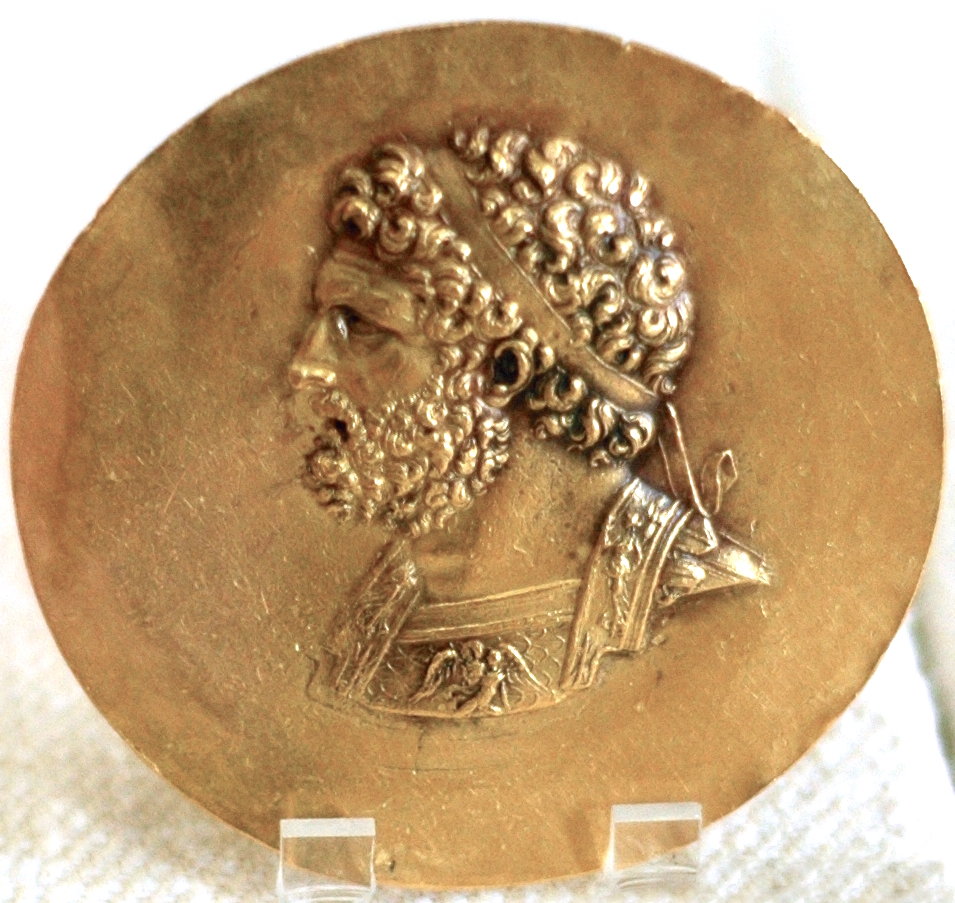
Fi — Inferior
His narrow focus on external achievement and strategic dominance often left his internal world—and his family life—in various states of neglect or turmoil. His relationship with Alexander was famously volatile, a clash of two powerful wills where Philip's inability to navigate personal, subjective values (Fi) led to deep-seated resentment.
The Blueprint Nobody Credits
History has a way of crediting the fire and forgetting the furnace. Alexander is the flame; Philip is the forge. The phalanx, the treasury, the diplomatic marriages that bought time — none of it was Alexander’s invention. Even Aristotle was Philip’s hire. Olympias gave Alexander his mythology, but Philip gave him his army, his kingdom, and the first thirteen years of strategic formation. Parmenion served Philip faithfully for decades before ever swearing loyalty to the son. The tragedy of Philip’s legacy is not that he was overshadowed — it is that his most brilliant achievement was to produce someone who made everyone forget him entirely.
Connected Figures
Further Reading
- Philip II of Macedonia — Ian WorthingtonThe most thorough modern biography, covering Philip's military innovations, diplomacy, and legacy.
- Philip of Macedon — George CawkwellA concise scholarly study reasserting Philip's achievements independent of Alexander's shadow.
- The Macedonian Empire: The Era of Warfare Under Philip II and Alexander the Great — James R. AshleyDetailed treatment of the military system Philip engineered and Alexander deployed.
- Alexander the Great — Robin Lane FoxThe classic biography of Alexander — illuminates Philip's foundational role through the contrast between father and son.
