 Historical Figure MBTI
#813 · 6-13-26 · The American Civil War
Robert Barnwell Rhett
The Fire-Eater Who Wanted This War
1800–1876
3 min read
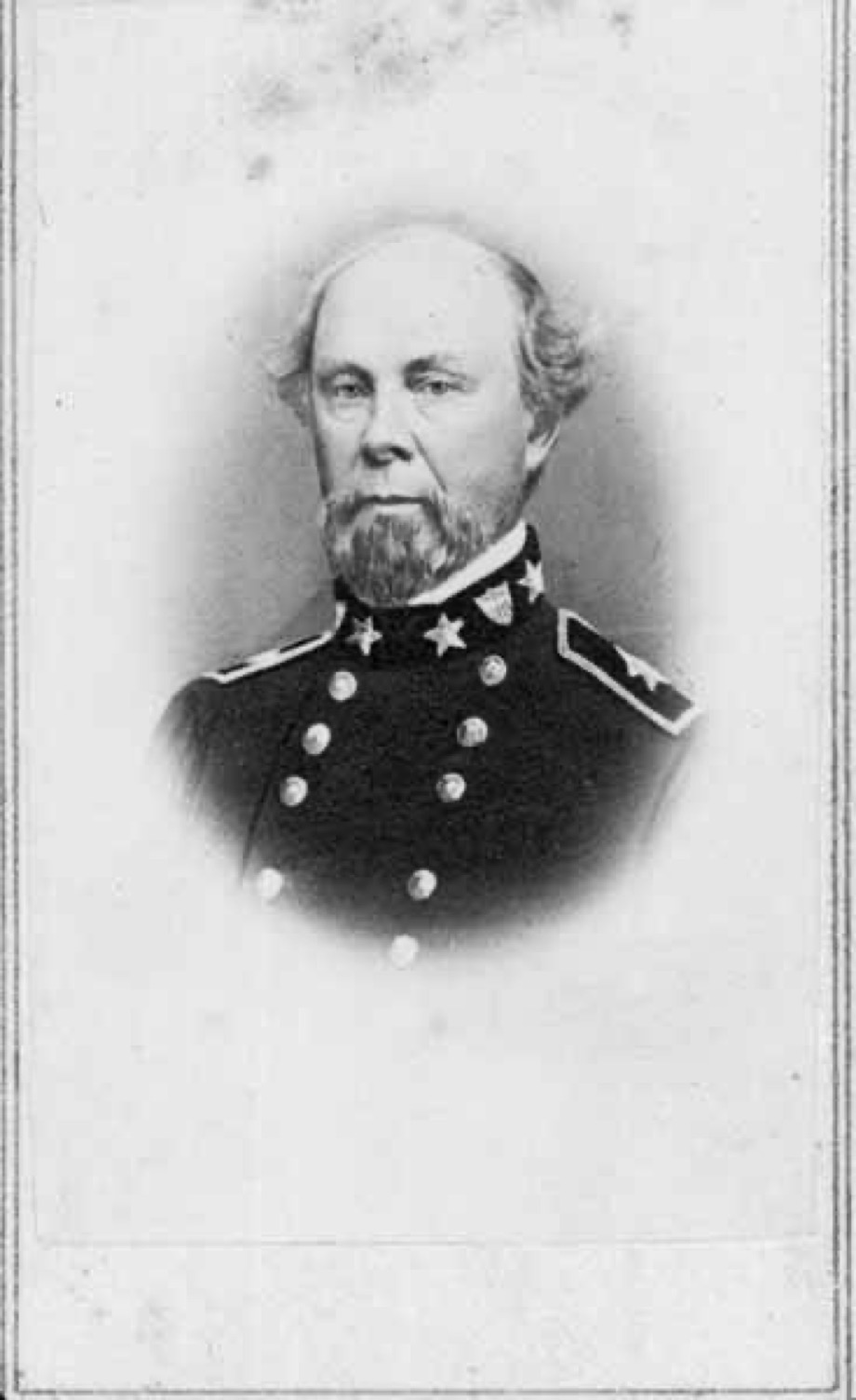
Portrait of Robert Barnwell Rhett
The Man Who Wanted the War More Than the Command
Robert Barnwell Rhett spent thirty years arguing for something most of his countrymen spent thirty years trying to avoid. Born in South Carolina in 1800 and seasoned in the Nullification Crisis of the early 1830s, he emerged from that fight convinced the Union could not be reformed, only left. As a congressman, senator, and — most durably — owner and editor of the Charleston Mercury, he spent the following decades turning that conviction into a machine: an unbroken drumbeat of editorials, resolutions, and conventions aimed at a single outcome, secession, delivered years and then decades before most of the South was ready to hear it.
When secession finally came in 1860–61, it looked, on paper, like Rhett's total vindication. It was also the end of his relevance. The new Confederacy passed him over for the presidency — and for any major office at all — in favor of the more moderate, more broadly acceptable Jefferson Davis. Rhett never accepted the snub. He spent the war years as the Mercury's chief critic of the government he had spent his life demanding into existence, condemning Davis for insufficient aggression and insufficient purity in a cause Rhett still considered, correctly, mostly his own invention.
Rhett was an ENTJ who built the war and then discovered he had no seat at the table meant to fight it.
Psychological Verdict
Rhett's ENTJ profile is written across the shape of his career rather than any single episode. Dominant Te shows in the sheer executive discipline of the project: three decades of sustained, organized agitation, run through a newspaper he controlled and aimed with total consistency at one strategic objective, long after most fire-eaters had cooled or moved on. Auxiliary Ni supplied the long horizon — Rhett was arguing for a future most Southerners could not yet picture, holding a single conviction steady through Nullification, the 1850 secession movement's failure, and a decade more of being told he was premature. Tertiary Se surfaces in his taste for confrontation and public combat, never a man to soften a position for the sake of coalition-building. And inferior Fi is the tell in his postwar record: having achieved the nation he demanded, Rhett could not forgive Davis, could not subordinate his own claim to leadership for the sake of the cause's success, and turned his considerable energy inward into grievance rather than outward into the war effort. He got exactly what he spent his life asking for, and it did not include a role for him.
Connected Figures
Further Reading
- Robert Barnwell Rhett: Father of Secession — William C. DavisThe standard biography
- The Road to Disunion — William W. FreehlingThe definitive history of the secession movement Rhett helped build
- Apostles of Disunion — Charles B. DewOn the secession commissioners and the fire-eater case for independence
