 Historical Figure MBTI
4 min read
#157 · 3-17-26 · The Young Republic of USA
Sam Houston
Not the plan. The timing.
1793 — 1863
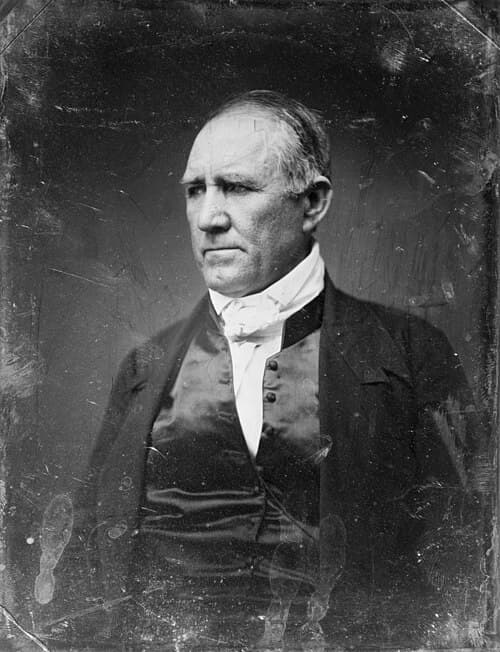
Portrait of Sam Houston
The Man Who Walked Away—and Returned
Sam Houston did not follow a straight path.
He surged forward, disappeared, and then surged again.
Born in 1793 in Virginia and raised on the American frontier, Houston's life reads less like a career and more like a series of lived moments—each intense, each decisive, each shaped by the reality directly in front of him. He rose quickly under Andrew Jackson's mentorship, built a political career, and then—at the height of it—walked away entirely after a failed marriage.
Not gradually. Not strategically. Immediately.
He lived among the Cherokee. Reinvented himself. Then returned—again without hesitation—stepping into the Texas Revolution and emerging as its central military figure. At the Battle of San Jacinto, his leadership was not theoretical or abstract—it was situational, precise, and decisive, capitalizing on the exact moment his opponent was vulnerable.
Houston did not plan life in long arcs. He responded to it in real time.
The Psychological Verdict
Sam Houston is often typed as ENFP due to his charisma and unconventional life, and sometimes ENTJ for his leadership. But a closer look at how he made decisions—immediate, experience-driven, and grounded in real-time awareness—points elsewhere.
His cognition reflects direct engagement with reality, tactical responsiveness, and action rooted in the present—hallmarks of Se–Ti, not Ne exploration or Te-driven structure.
He was likely an ESTP.
Se — Dominant
Houston's defining trait was his immersion in the moment. He did not hesitate when action was required, nor did he overextend into abstract planning. Whether in battle, politics, or personal life, his decisions were made in response to the immediate situation.
The Battle of San Jacinto exemplifies this: he waited, observed, and struck at precisely the right moment—not based on a distant strategic blueprint, but on real-time opportunity.
This is dominant Se: awareness, timing, and decisive action.
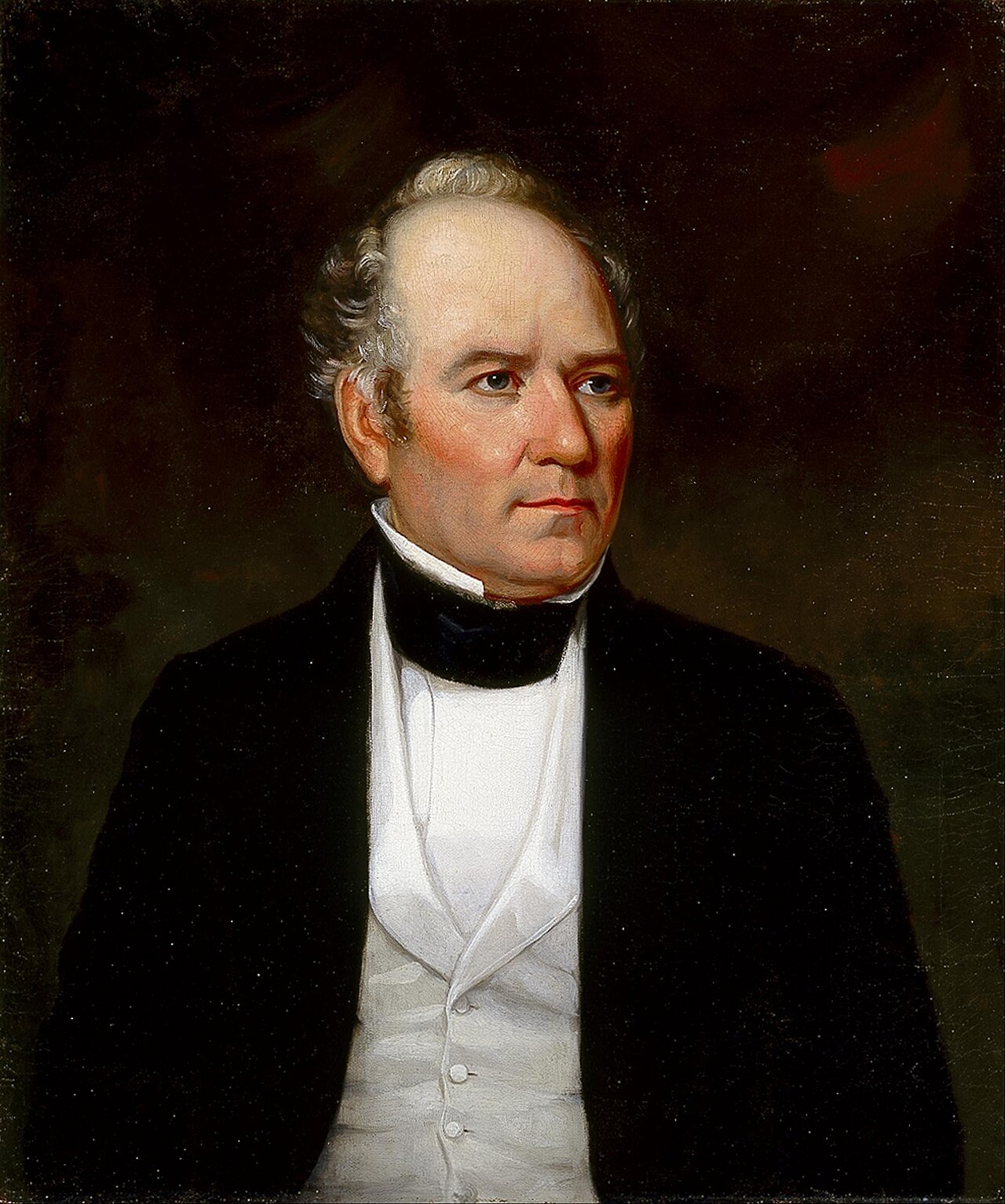
Ti — Auxiliary
Beneath his boldness was a practical, internal logic. Houston's decisions, while sometimes appearing impulsive, were often grounded in a clear understanding of how situations functioned. He knew when to retreat, when to wait, and when to act—not based on external rules, but on what made sense within the moment.
This reflects Ti: internally consistent reasoning applied to real-world dynamics.
Fe — Tertiary
Houston was socially effective, but not in a polished or calculated way. He could connect with people—whether frontiersmen, politicians, or Native American communities—through a direct, personable presence. His charisma was not manufactured; it was immediate and human.
This suggests tertiary Fe: relational awareness that supports action, rather than guiding it.
Ni — Inferior
Houston did not operate from long-term, singular vision. His life was marked by abrupt shifts—leaving positions, changing paths, re-entering public life—without a clear, continuous trajectory. While he could pursue goals with intensity, his approach was not guided by a fixed, future-oriented framework.
This reflects inferior Ni: limited emphasis on long-range abstraction or convergence.
Why not ENFP or ENTJ?
Se over Ne (not ENFP)
ENFP suggests a more idea-driven, possibility-exploring approach. Houston does not read this way. His decisions were not about exploring identity or meaning across possibilities—they were grounded in action. He did not ask, "what else could this be?" He asked, "what needs to be done now?" This is Se, not Ne.
Se–Ti over Te–Ni (not ENTJ)
ENTJs lead with Te–Ni, building structured systems and executing long-term plans. Houston did neither. He did not construct enduring systems, nor did he follow a consistent strategic arc. His leadership emerged in moments—decisive, effective, but not architected over time. This is not Te–Ni. This is Se–Ti.
Connected Figures
Further Reading
- Sam Houston and the American Southwest — Randolph B. CampbellThe definitive scholarly biography — traces his full arc from Virginia frontier to Texas presidency.
- The Raven: A Biography of Sam Houston — Marquis JamesPulitzer Prize-winning narrative biography; vivid and character-driven, though romanticized in places.
- Sam Houston: A Biography of the Father of Texas — John Hoyt WilliamsA thorough account of Houston's role in the Texas Revolution and the republic he helped build.
- Andrew Jackson: His Life and Times — H. W. BrandsEssential context for understanding the Jacksonian world Houston operated within.
