 Historical Figure MBTI
#874 · 6-23-26 · The American Civil War
Wesley Merritt
Cavalry General · Sheridan's Lieutenant
1834 — 1910
3 min read
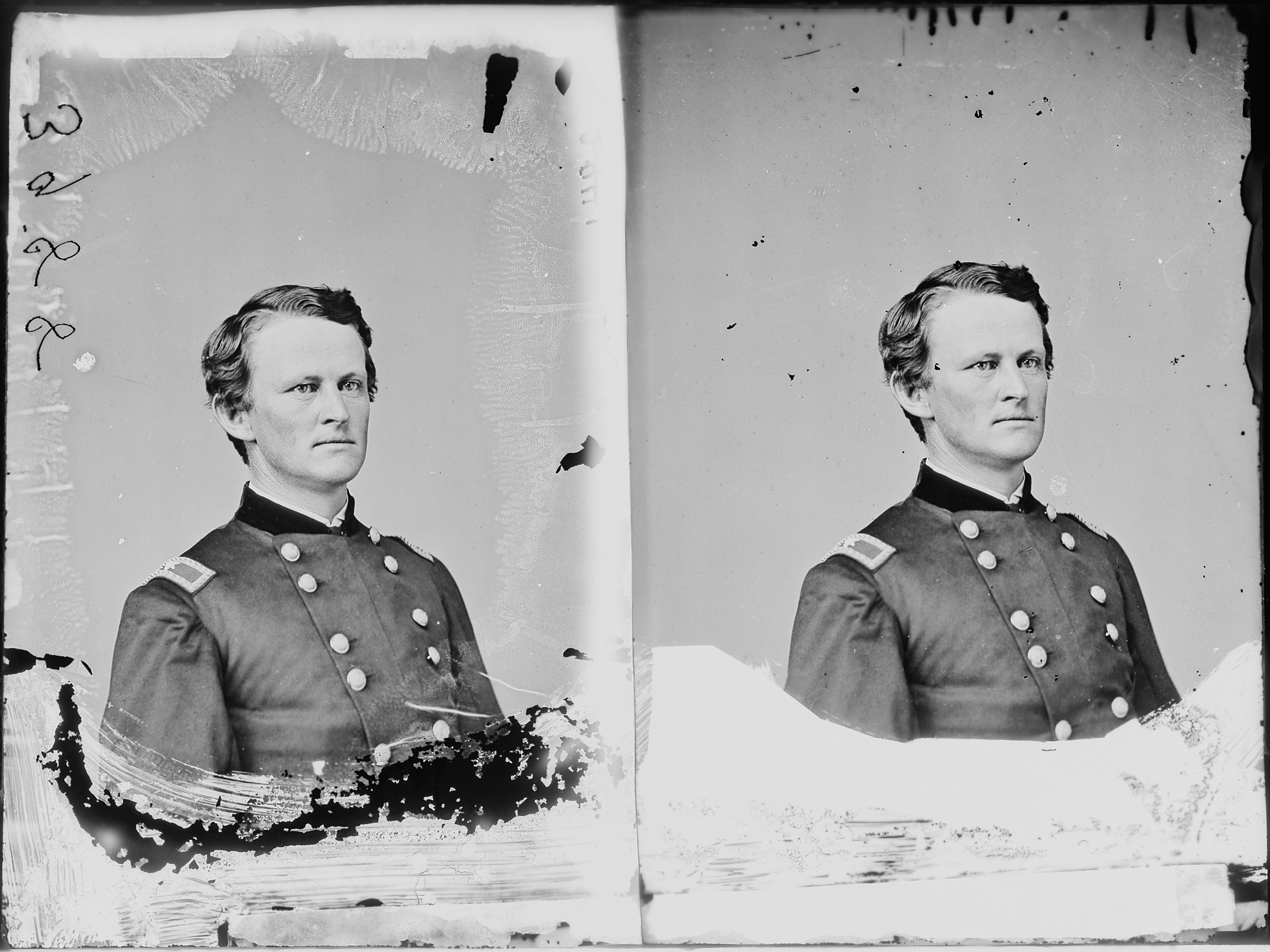
Portrait of Wesley Merritt
The Officer Who Made the Plan Work
Wesley Merritt made brigadier general at twenty-seven, in the same June 1863 wave of promotions that elevated George Armstrong Custer — and the contrast between the two men would define Merritt's reputation for the rest of his career. Custer courted newspapers and rode into battle with his hair long and his flags flying. Merritt did neither. He went to West Point, graduated in 1860, and spent the war doing exactly what a division commander is supposed to do: hold the line where he was told to hold it, press an advantage when one appeared, and bring his men out the other side of an engagement in fighting order.
That competence made him indispensable to Philip Sheridan. In the Shenandoah Valley in 1864, Sheridan needed cavalry commanders who would execute a plan under pressure without improvising it into something else — at Winchester, at Fisher's Hill, at Cedar Creek, Merritt's division did the unglamorous work of screening, flanking, and pursuing that turned Sheridan's aggression into decisive victory rather than costly gesture. He carried that same reliability through to the end, commanding cavalry in the final operations that ran Robert E. Lee's army to ground at Appomattox.
Merritt was an ISTJ in the most literal sense of the type: a man who trusted what had already worked, executed it without embellishment, and let the results speak for a career that never needed him to.
Psychological Verdict
Merritt's cognition ran on established procedure, not improvisation. His dominant introverted sensing showed in how methodically he built each engagement — terrain studied, orders understood, a division kept in hand rather than let loose. His auxiliary extraverted thinking was what let him convert that groundwork into results on demand: Sheridan could hand Merritt a difficult assignment and trust it would be carried out to the letter, with no need to manage the execution personally. Where Custer's cavalry announced itself, Merritt's simply arrived, did what was asked, and was already reforming for the next order.
It is a temperament easy to overlook in a war remembered for its personalities, and that is precisely the point. Merritt was not indifferent to recognition — he sat for the promotions and accepted the postwar honors, including years as superintendent of West Point and, in 1898, command of the American expedition that took Manila in the Spanish-American War. But nothing in his record suggests he needed the spotlight to function. He needed a clear objective and the discipline to reach it, and Sheridan's boldest plans depended on having at least one subordinate built exactly that way.
Connected Figures
Further Reading
- From Winchester to Cedar Creek: The Shenandoah Campaign of 1864 — Jeffry D. WertThe standard narrative of the 1864 Valley campaign, tracing Merritt's division through Sheridan's decisive victories.
- Sheridan: The Life and Wars of General Phil Sheridan — Roy Morris Jr.A biography of Sheridan that situates Merritt among the trusted cavalry commanders who made his aggressive strategy workable.
- Glory Enough for All: Sheridan's Second Raid and the Battle of Trevilian Station — Eric J. WittenbergDetailed tactical history covering Merritt's cavalry division in the 1864 raids preceding the Valley campaign.
- The War of the Rebellion: A Compilation of the Official Records of the Union and Confederate Armies — U.S. War DepartmentThe primary-source record of Merritt's official reports and correspondence during the war.
