 Historical Figure MBTI
2 min read
#56 · 2-19-26 · The Tang Dynasty
Wu Zetian
Concubine · Empress · Emperor
624 — 705

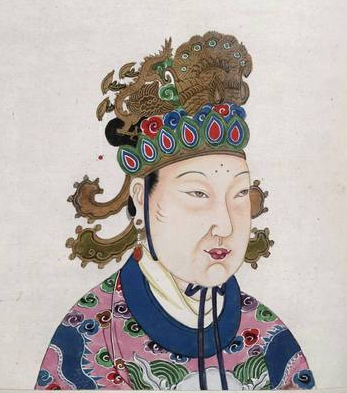
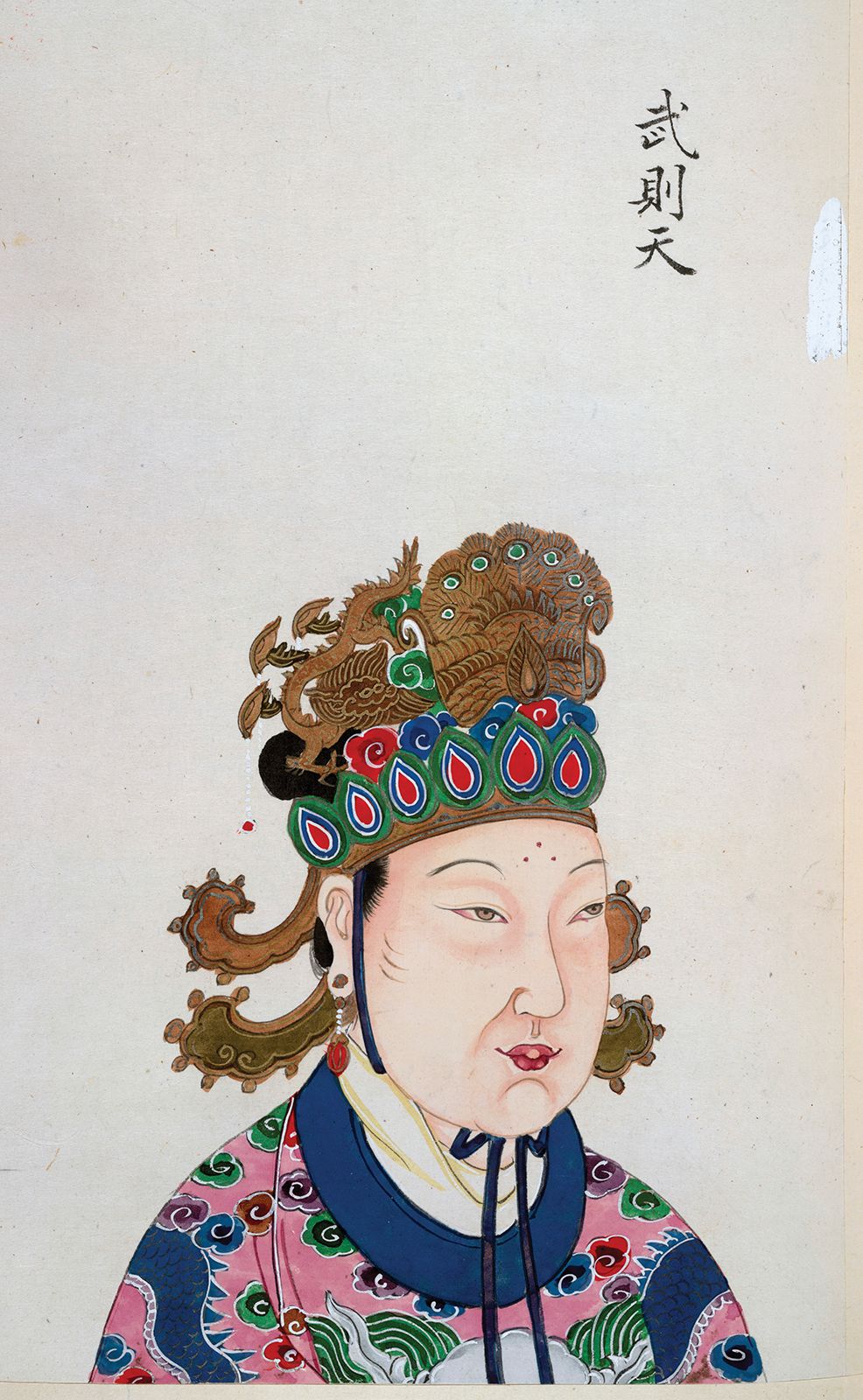
AI-assisted Portrait of Wu Zetian.
The Only Woman to Declare Herself Emperor
Wu Zetian (624–705) did not merely survive palace politics. She mastered it. Entering the court of Emperor Taizong of Tang as a low-ranking concubine, sent to a convent upon his death, then returning to power under Emperor Gaozong of Tang — her rise was not accidental.
It was incremental, strategic, and externally executed. She did not inherit the throne. She built the path to it. And in 690, she formally proclaimed herself Emperor of a new Zhou dynasty — interrupting Tang rule entirely. Wu Zetian is not a quiet strategist operating from behind curtains. She consolidated, restructured, expanded, and ruled publicly. Her cognition reads as ENTJ: Te–Ni command energy, not shadow maneuvering.
She did not preserve tradition. She rewrote it.
Te — Dominant
Wu did not merely remove rivals; she reorganized power. She eliminated Empress Wang and other competitors, installed loyal officials, expanded the civil service examination system, and promoted merit over entrenched aristocracy. Centralized authority under her control.
This was not survival behavior. It was systemic restructuring. Te in its purest imperial form.
Ni — Auxiliary
Her ascent took decades. She waited, built networks, positioned sons, and managed regencies. Gradually shifted authority from "empress consort" to "de facto ruler" to "emperor." That long-arc patience signals strategic foresight. She didn't strike randomly. She calculated trajectory.
Se — Tertiary
Wu was comfortable with decisive, even brutal action when required. Executions, secret police, rapid political suppression. When movement was necessary, she acted. Not impulsively — but without hesitation.
Fi — Inferior
Wu's value system was not publicly sentimental. Her decisions prioritized stability and authority over relational harmony. This was not Fe social management. It was outcome-focused governance.
Contrast Within the Court
Placed against:
- • Empress Wang: traditional, status-bound ISFJ
- • Gaozong: gentler, more attachment-responsive ruler
Wu represents structural expansion against preservation. Wang defended position. Wu seized power.
Connected Figures
Further Reading
- Wu Zhao: China's Only Woman Emperor — N. Harry RothschildThe most thorough modern scholarly biography — examines her ideology, Buddhist patronage, and administrative legacy with care.
- Empress Wu — Jonathan ClementsAn accessible narrative of her life from concubine to emperor, strong on court politics and the mechanics of her rise.
- The Woman Who Discovered Printing — T. H. BarrettA focused argument about Wu Zetian's patronage of early print technology and her role in Buddhist textual culture.
- China's Golden Age: Everyday Life in the Tang Dynasty — Charles BennProvides the social and material world in which Wu Zetian operated — court ritual, trade, and Tang daily life.
