 Historical Figure MBTI
5 min read
#60 · 2-20-26 · The Tang Dynasty
Emperor Xuanzong of Tang
Architect of the Kaiyuan Golden Age — and the Emperor Who Drifted
685 — 762
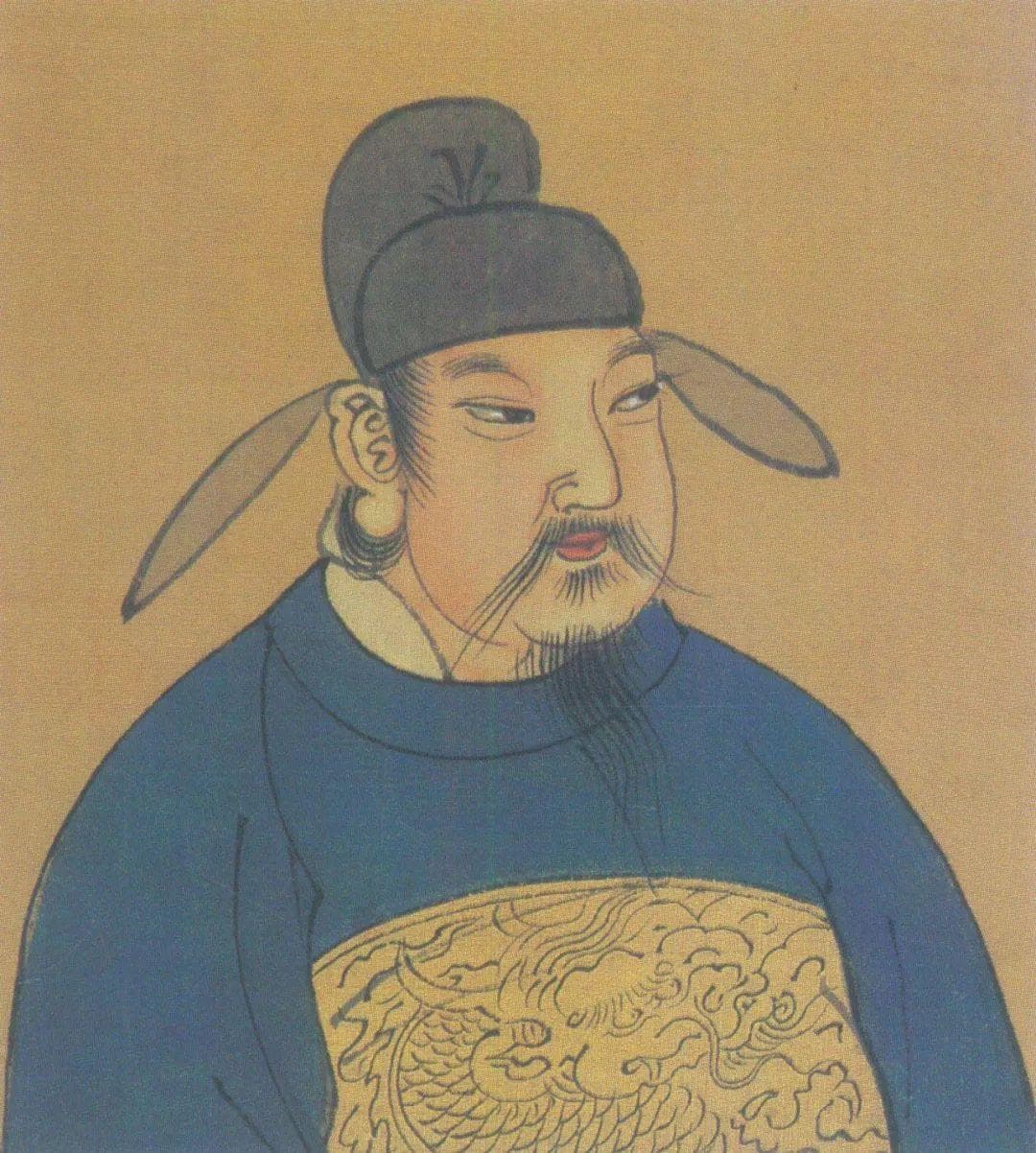
Portrait of Emperor Xuanzong of Tang.
The Emperor of Radiant Order
When Xuanzong ascended the throne in 712, the Tang court was still echoing from decades of instability. The shadow of Wu Zetian lingered. Factions lingered. Succession tensions lingered. Xuanzong did not inherit serenity. He created it.
In 713, he moved decisively against Princess Taiping's faction, consolidating imperial authority in a surgical act that became the turning point of early Tang stability. What followed was the Kaiyuan Era — widely considered the height of Tang prosperity. Governance stabilized. Examinations were strengthened. Chang'an became the most cosmopolitan city in the world. Poetry thrived. Music reached refinement under imperial patronage.
Xuanzong is sometimes typed as ENTJ due to his consolidation of power and administrative reforms, or INTJ because of his long-range stabilization efforts. But a closer look at his arc — especially the emotional texture of his later reign — suggests something subtler. He aligns most plausibly with INFJ (Ni–Fe–Ti–Se): visionary structuring, relational calibration, and later-life over-trust — not power-optimization for its own sake.
He built the Golden Age. He watched it fracture.
Ni — Dominant
Xuanzong's early reign shows long-range pattern awareness. He understood that the Tang dynasty required centralized stability after factional chaos. His consolidation in 713 was not impulsive; it was anticipatory. He strengthened institutions rather than chasing glory. He built systems that could sustain cultural flourishing. The Kaiyuan Era was not accidental prosperity. It was the product of aligned governance and civilizational vision.
Ni seeks underlying order. Xuanzong created it.
Fe — Auxiliary
Unlike purely administrative rulers, Xuanzong deeply valued cultural atmosphere. He invested in music, ceremony, and aesthetic refinement — not as indulgence, but as civilizational expression. He composed the "Rainbow Skirt and Feathered Coat." Yang Guifei danced it. This was symbolic unity between ruler and court. Fe seeks harmony within systems of people. Xuanzong's court flourished because he understood morale, image, and emotional cohesion.
However, this same Fe orientation later contributed to drift. His trust in ministers such as Yang Guozhong and his emotional immersion in Yang Guifei reveal relational overextension. He preferred equilibrium to confrontation. That became costly.
Ti — Tertiary
Xuanzong demonstrated intellectual clarity in administrative reform and selection of capable officials. He listened to advisors and adjusted structures early in his reign. However, in later years, the internal recalibration appears to have slowed. The decentralization of military power — particularly the rise of frontier governors like An Lushan — was a structural imbalance that required colder analysis. Instead of tightening control, Xuanzong maintained trust. Tertiary Ti can function well in stable environments but may not dominate during prolonged peace.
Se — Inferior
Inferior Se often appears as periods of aesthetic immersion or fatigue in responding to sudden physical crises. Xuanzong's later devotion to courtly life and sensory refinement aligns with this pattern. When the An Lushan Rebellion erupted in 755, the shock was catastrophic. He fled Chang'an. At Mawei Slope, imperial guards demanded the execution of Yang Guifei. He resisted. He wept. He ultimately consented. He did not respond with fiery purge or authoritarian vengeance. He withdrew. That internalization aligns more with Ni–Fe than Te-dominant externalization.
Why Not ENFP or ENTJ?
Why not ENFP?
At first glance, Xuanzong's patronage of music, poetry, and aesthetic refinement might suggest Ne-driven creativity. But ENFPs lead with Ne — outward expansion of ideas, curiosity across possibilities, ideological experimentation. Xuanzong does not read as externally idea-driven. His early reign was not about exploring possibilities — it was about stabilizing a fractured structure. His consolidation in 713 was decisive and singular in direction, not exploratory. ENFPs under stress become scattered or reactive. Xuanzong became withdrawn and over-trusting — a far more Ni–Fe fatigue pattern.
Why not ENTJ?
ENTJs lead with Te — structural optimization, decisive recalibration, and assertive enforcement of authority. An ENTJ emperor facing rising military decentralization would likely act aggressively to rebalance power. Xuanzong did not. Despite clear warning signs regarding frontier governors such as An Lushan, he maintained trust longer than was strategically optimal. Even in crisis, his response lacked Te-dominant escalation. He fled, mourned, abdicated, and withdrew — relational and symbolic collapse, not authority-driven counterforce.
The Ecosystem
The Tang collapse was not caused by romance alone. It was the collision of:
- • Xuanzong's visionary harmony (INFJ)
- • Yang Guifei's aesthetic presence (ISFP)
- • Yang Guozhong's administrative rigidity (ESTJ)
- • An Lushan's kinetic ambition (ESTP)
A system that once balanced vision and order gradually tilted toward aesthetic refuge and factional tension. When frontier force met relational drift, catastrophe followed.
Connected Figures
Further Reading
- The Age of Confucian Rule: The Song Transformation of China — Dieter KuhnSituates the Tang golden age within the broader arc of Chinese dynastic civilization.
- China's Golden Age: Everyday Life in the Tang Dynasty — Charles BennA rich portrait of daily life and cultural achievement under Xuanzong's reign.
- The Open Empire: A History of China to 1800 — Valerie HansenCovers the Tang dynasty's cosmopolitan character and its eventual fracture.
- Emperor Huizong and Late Northern Song China — Patricia Buckley Ebrey & Maggie Bickford (eds.)Useful comparative study of an emperor whose aesthetic devotion paralleled Xuanzong's — and whose dynasty also collapsed.
