 Historical Figure MBTI
#1081 · 8-12-26 · Spring and Autumn China
Yan Ying
Yanzi · The Short Statesman of Qi
c. 578 – 500 BCE
3 min read
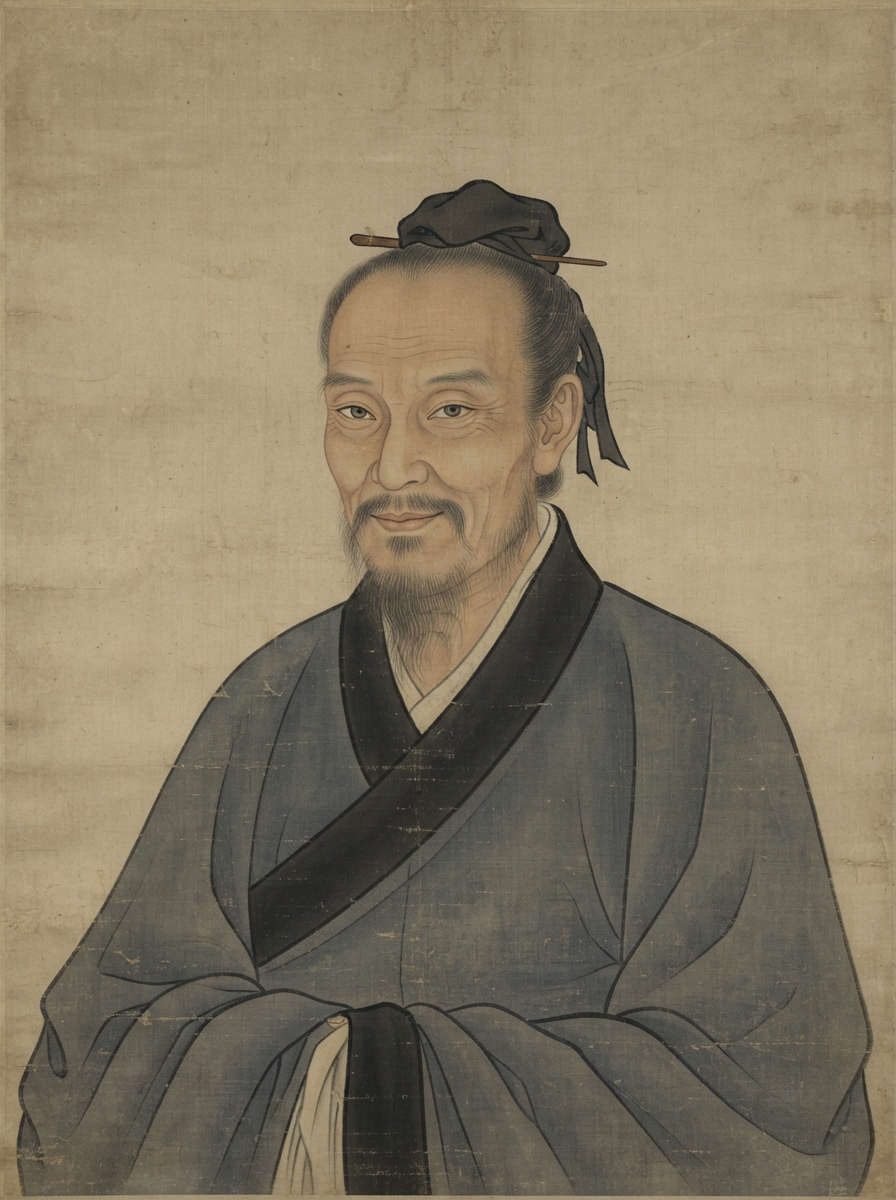
AI-assisted Portrait of Yan Ying
A Small Man Who Would Not Bend
He was, by every surviving account, short — short enough that a rival state once built him a miniature door beside its main gate and told him, with elaborate courtesy, that a man of his stature belonged there. Yan Ying looked at the little door, looked at the officials waiting to enjoy his humiliation, and observed that only envoys sent to a dog kingdom went in through a dog door; he would wait for them to decide which kind of kingdom Qi's neighbor wished to be. They opened the real gate. It is the story he is remembered for, and it is also the whole of him in miniature: a man who answered contempt not with anger but with a fact, quietly and precisely aimed.
Yan Ying served three successive dukes of Qi across the better part of the sixth century BCE — Ling, Zhuang, and Jing — an improbable span of survival in a court where chancellors more often ended in exile or the executioner's hands. He did it without the theatrics of reform or the charisma of conquest. He did it in plain robes, on a modest diet, in a house he refused to enlarge even when his ruler offered to rebuild it grander, and by telling uncomfortable truths in a form rulers could absorb without losing face: the pointed anecdote, the dry aside, the parable that did the scolding so the minister didn't have to.
Yan Ying was an ISTJ: a dominant introverted sensing that treated precedent, ritual, and personal restraint as load-bearing, expressed through an auxiliary extraverted thinking that delivered its judgments as clipped, functional fact rather than performance.
Nothing in the record suggests a man improvising. Everything in it suggests a man consulting an internal ledger of what had already been established — by ritual, by precedent, by his own prior conduct — and simply refusing to spend past it. When a duke of Qi grew obsessed with a beloved horse and threatened to execute the groom who let it die, Yan Ying did not argue mercy in the abstract. He asked to list the groom's crimes aloud first, so the punishment would be just — and then recited, gravely, that the man's true crime was making his lord value a horse over a human life, a charge severe enough that the ruler pardoned him on the spot. The tool was always the same: hold up the standard already agreed upon, and let the ruler see that he was the one falling short of it.
That is the case for the type, and it is also the case for why he lasted three reigns where more ambitious men lasted one. He was not building a faction or angling for a legacy monument. He was maintaining a system — sumptuary, ritual, procedural — that he trusted more than he trusted any single duke's mood, including his own. His famous remark that oranges carried south of the Huai turn to bitter oranges north of it, offered when a Qi thief was produced to embarrass him during a diplomatic visit to Chu, made the same argument in miniature: character is not innate virtue floating free of circumstance, it is what a stable structure cultivates or fails to cultivate. Change the soil, the fruit changes with it — which is precisely the sensing conservative's case for why institutions, food, dress, and habit matter more than any man's stated intentions.
Connected Figures
Further Reading
- Yanzi Chunqiu (Spring and Autumn Annals of Master Yan) — Attrib. compilers, Warring States periodThe core source — anecdotes and rebukes attributed directly to Yan Ying.
- Shiji (Records of the Grand Historian) — Sima QianIncludes a biographical sketch pairing Yan Ying with Guan Zhong as models of Qi statecraft.
- Zuo Zhuan — Attrib. Zuo QiumingCourt chronicle recording Yan Ying's diplomatic missions and remonstrances in historical context.
- The Rise of Autocracy, World Empire, and Diplomacy in Early China — Yuri PinesSituates Qi's Spring and Autumn statecraft, including Yan Ying's ministerial model, within the era's political thought.
