 Historical Figure MBTI
The Medieval Mediterranean
~1154 – 1250
Frederick II's cosmopolitan court — popes, astrologers, Arab philosophers, and a Holy Roman Emperor who defied them all.
Frederick II was called Stupor Mundi — the Wonder of the World — and he earned it. He spoke six languages, kept a menagerie of exotic animals, corresponded with Arab philosophers, wrote a treatise on falconry, and negotiated the return of Jerusalem through diplomacy when every crusade before him had used swords. He was also Holy Roman Emperor, King of Sicily, and King of Jerusalem simultaneously, which made him the most powerful ruler in Europe and a permanent problem for the papacy.
Pope Innocent III and Pope Gregory IX excommunicated him — twice. He kept ruling anyway. Around him orbited astrologers, Arab scholars like Ibn Sab'in, Scottish magicians like Michael Scot, and his English bride Isabella. This is the strangest, most cosmopolitan court of the Middle Ages.
8 figures · sorted by birth year
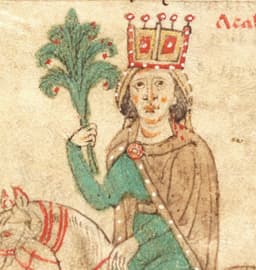
Constance I of Sicily
notableINTJ · b. 1154
Frederick II's mother — who died giving him the Sicilian throne
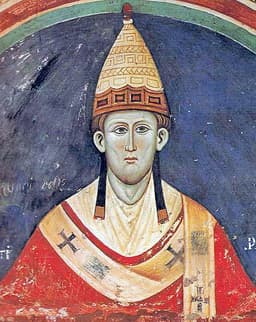
Pope Innocent III
notableINTJ · b. 1160
Head of the Catholic Church, architect of papal supremacy.
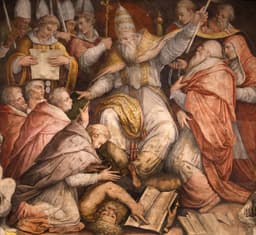
Pope Gregory IX
notableISTJ · b. 1170
The pope who excommunicated Frederick II — twice
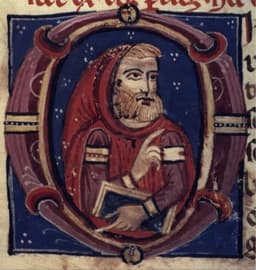
Michael Scot
notableINFJ · b. 1175
Scholar, translator, astrologer, and interpreter of hidden knowledge across worlds.
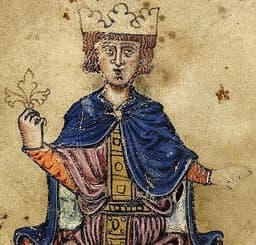
Frederick II
renownENTP · b. 1194
Holy Roman Emperor, King of Sicily, and the Wonder of the World.

Theodore of Antioch
INFJ · b. 1200
Frederick II's personal astrologer and court philosopher
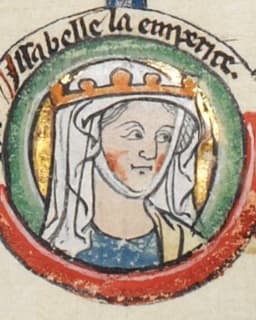
Isabella of England
notableISFJ · b. 1214
Frederick II’s English bride — Henry III of England’s sister

Ibn Sab'in
notableINFJ · b. 1217
Sufi philosopher, mystic, and metaphysical thinker of Al-Andalus.

Sign up for monthly insights
Monthly insights into history's most influential figures — examined through psychology, context, and cognitive pattern. Less stereotype, more structure. History, but with a mind map.
Powered by Buttondown