 Historical Figure MBTI
The Middle Kingdom
c. 2055 – 1650 BCE
Egypt reunified and remade: Theban kings, Nubian forts, and a bureaucracy built to last.
Out of a broken Old Kingdom, Theban kings reassembled Egypt by force and then by paperwork. Mentuhotep II reunified the two lands; Amenemhat I, a vizier who took the crown himself, founded a dynasty on the anxious wisdom of a usurper. Senusret III pushed that dynasty's reach deep into Nubia and broke the old nomarch families for good, and Amenemhat III spent the peace it bought on irrigation and the vast funerary complex the Greeks called the Labyrinth.
It ended, briefly and remarkably, with a woman on the throne: Sobekneferu ruled in her own right as the dynasty's line of male heirs ran out, an improvisation of legitimacy Egypt would remember when it needed one again.
5 figures · sorted by birth year
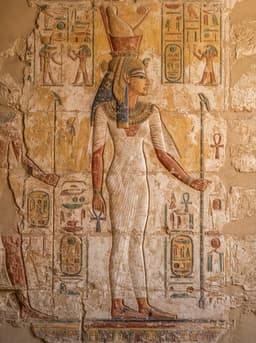
Sobekneferu
notableINTJ
Egypt's first certain female pharaoh, improvising legitimacy three centuries before Hatshepsut.
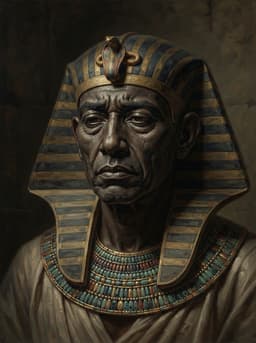
Amenemhat III
notableISTJ
The engineer-king whose Faiyum irrigation projects defined the Middle Kingdom's peak.
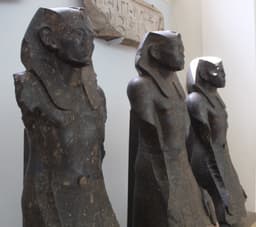
Senusret III
renownESTJ
The realist king who broke Egypt's noble families and fortified its Nubian frontier.
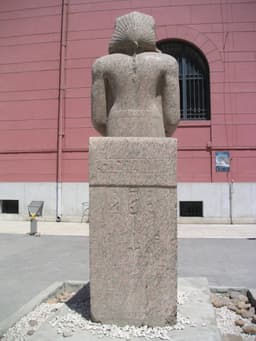
Amenemhat I
notableINTJ
A vizier who seized the crown and left his heir a paranoid, unforgettable warning.
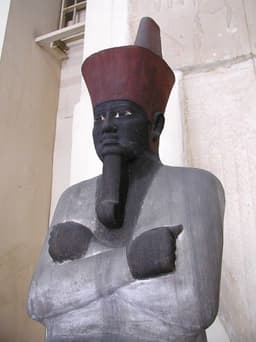
Mentuhotep II
notableENTJ
The Theban king who reunified a fractured Egypt and opened the Middle Kingdom.

Sign up for monthly insights
Monthly insights into history's most influential figures — examined through psychology, context, and cognitive pattern. Less stereotype, more structure. History, but with a mind map.
Powered by Buttondown