 Historical Figure MBTI
3 min read
#133 · 3-16-26 · The Founding Generation of USA
Abigail Amelia Adams Smith
The Keeper of Connection
1765 — 1813
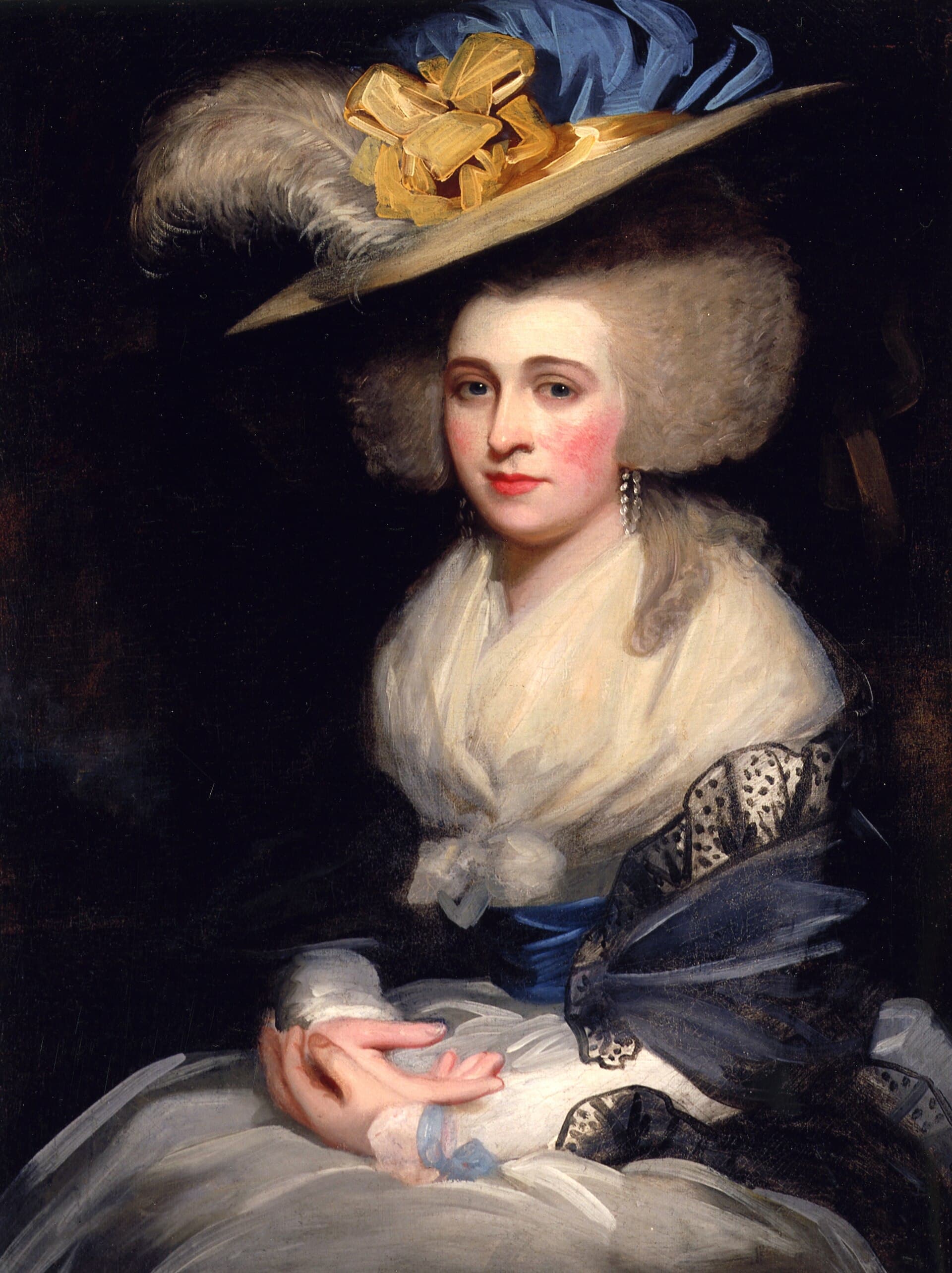
Portrait of Abigail Amelia Adams Smith
To understand Abigail Amelia Adams Smith — often called “Nabby” — is to understand a life centered not on ideology or abstraction, but on people, relationships, and continuity.
Born into one of the most intellectually and politically intense families in early America, she was surrounded by strong personalities: John Adams, Abigail Adams, and John Quincy Adams.
Yet her own voice, preserved through letters, reveals a different orientation. Where her family often engaged with ideas, principles, and politics, Nabby consistently returned to something more immediate: how people are doing, how they feel, and how they stay connected.
Her writing does not seek to reinterpret the world. It seeks to maintain it.
Fe Dominance — Life Organized Around People
Nabby’s letters are deeply relational. She writes about family members’ health and well-being, visits, absences, and reunions, emotional states within the family, and the importance of maintaining closeness across distance.
Even when events are described, the focus is rarely on the event itself. Instead, it is who was there, how they felt, and what the interaction meant for the relationship. This reflects a consistent outward orientation: the world is experienced through people, not concepts.
Her concern is not internal identity (Fi), nor abstract systems (Ti), but the emotional fabric connecting individuals.
Si Support — Continuity, Memory, and Family Structure
Alongside her relational focus is a strong grounding in continuity. Nabby’s writing shows attention to familiar routines and expectations, concern for preserving family bonds across time, and an emotional anchoring in shared history and memory.
She is not trying to reinvent her life or escape her role. Instead, she works within it to keep relationships stable, intact, and functioning. Her orientation is toward what has been established, not what could be.
This is classic Si supporting Fe.
Expression Without Abstraction
Unlike intuitive-dominant figures in her family, Nabby does not theorize about politics, extract symbolic meaning from events, or generalize into broader philosophical conclusions. Her communication remains grounded, immediate, and context-specific.
Even when emotional, her writing stays tied to real people in real situations. She is not asking, “What does this reveal about the nature of the world?” She is asking, “How is everyone, and how do we stay connected?”
The Psychological Verdict
Why Not ENFJ?
ENFJs tend to interpret patterns in relationships and guide others toward growth or change. Nabby does not consistently do this. She does not position herself as an interpreter of people or a guide; instead, she is a participant within relationships, maintaining and nurturing them. Her focus remains grounded in the present.
Why Not INFP?
INFP would imply inward emotional processing and a focus on personal identity. Nabby’s writing does not center on “who am I?” or authenticity struggles. Instead, it centers on “how are we?” Her emotional orientation is outward, not inward.
Connected Figures
Further Reading
- Abigail Adams — Woody HoltonA comprehensive biography of Nabby's mother that illuminates the family world in which Nabby lived, including her marriage and illness.
- My Dearest Friend: Letters of Abigail and John Adams — Edited by Margaret A. Hogan and C. James TaylorThe Adams correspondence — primary source material in which Nabby appears frequently as a subject of her parents' concern and affection.
- The Adams Women: Abigail and Louisa Adams, Their Sisters and Daughters — Paul C. NagelTraces the lives of the women in the Adams family across generations, with Nabby as a central figure.
