 Historical Figure MBTI
4 min read
#550 · 4-26-26 · The Mamluk Sultanate
al-Mustansir II
The Shadow Caliph · Restorer of the Abbasid Line · The Doomed March to Baghdad
d. 1261
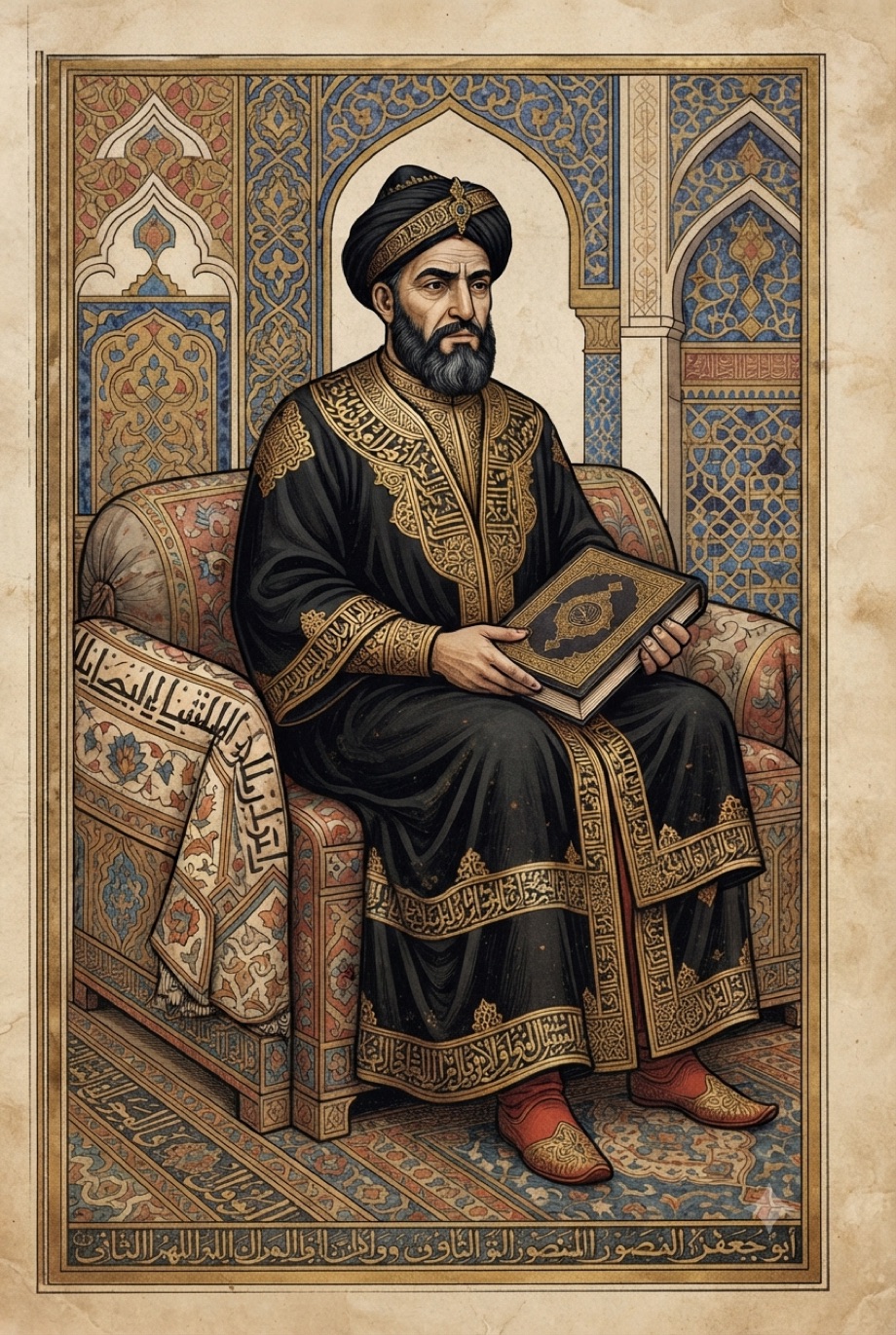
AI-assisted Portrait of al-Mustansir II
A Caliph Made to Order
In February of 1258 the Mongols under Hulagu Khan broke into Baghdad, put the city to the sword, and rolled the last Abbasid caliph, al-Musta'sim, in a carpet to be trampled to death by horses. With him ended five centuries of the Abbasid Caliphate — the office that had stood, however feebly in its final years, as the symbolic head of the Sunni world. For the first time since the eighth century, the community of the faithful had no caliph. Into that vacancy, three years later, stepped a man about whom almost nothing certain is known: al-Mustansir II, Abu al-Qasim Ahmad, the first Abbasid caliph of Cairo.
He owed his elevation entirely to a sultan's need. In 1261 Baibars, the formidable Mamluk who had seized the throne of Egypt, was a usurper in search of legitimacy. A man appeared in Cairo claiming to be an uncle of the murdered caliph; Baibars had the Abbasid lineage examined and certified by the jurists, and installed him as al-Mustansir II. In a carefully staged ceremony the new caliph, in return, publicly invested Baibars with authority over the lands of Islam. It was a transaction: the sultan received the sanction of the caliphate, and the caliph received the sultan's protection. He was legitimacy made flesh — a figurehead with no army, no treasury, and no power that Baibars did not choose to lend him.
He was a symbol before he was a man — restored to an office that had already been emptied of everything but its name.
The March to Baghdad
Whatever else al-Mustansir was, he was not content to remain a ornament of the Cairo court. Within months of his installation he insisted on the one thing a caliph in his position might have thought would justify the title: the reconquest of Baghdad from the Mongols. It was a project Baibars had no interest in. A strong, independent caliph seated in a restored Iraq would have been a rival to the sultan's own authority, and a campaign against the Ilkhanate was a war Egypt could not yet afford to fight. Baibars gave his caliph a token force, escorted him partway, and then quietly withdrew his support.
Al-Mustansir pressed on with a handful of men. Near al-Anbar, west of the ruined capital he meant to recover, the Mongols fell on his tiny army and destroyed it. The caliph was killed in November 1261, only months after his investiture — the shortest reign, and among the emptiest, in the long Abbasid line.
Baibars did not mourn. He promptly produced another Abbasid claimant and installed him as al-Hakim I, whose descendants would hold the office as powerless “shadow caliphs” in Cairo, lending their sanction to Mamluk sultans and doing little else, until the Ottoman conquest of 1517 swept the last of them away. The institution al-Mustansir briefly embodied outlived him by two and a half centuries — but only as the pale, ceremonial thing that Baibars had designed it to be.
Psychological Verdict
Al-Mustansir resists typing because he is a figure defined almost entirely by others' use of him. The sources record what was done to him and with him — certified, invested, dispatched, abandoned — far more than anything he did himself. His identity was contested even in his own lifetime; the very claim to Abbasid blood that made him useful is impossible to verify, and the man behind the title leaves scarcely a trace of temperament, preference, or private conviction.
There is one flash of independent will: his insistence on the doomed march to Baghdad, against the plain self-interest of the sultan who had made him. It might have been genuine religious zeal — a caliph determined to be more than a signature — or it might have been wounded pride, the pique of a man who understood he was a puppet and rode out to prove otherwise. The record is far too thin to say which, or to read a personality from a single gesture that got him killed. For a figure who survives as a symbol rather than a self, any four-letter verdict would be invention. He remains, honestly, untyped.
Connected Figures
Further Reading
- The Middle East in the Middle Ages: The Early Mamluk Sultanate, 1250–1382 — Robert IrwinThe standard account of the Mamluk state Baibars built, and the role the revived Cairo caliphate played within it.
- The Lion of Egypt: Sultan Baybars I and the Near East in the Thirteenth Century — Peter ThorauA full biography of Baibars that treats his installation of al-Mustansir as an act of political theater.
- The Age of the Crusades: The Near East from the Eleventh Century to 1517 — P. M. HoltSets the shadow caliphate of Cairo in its long context, from al-Mustansir to the Ottoman conquest.
