 Historical Figure MBTI
#661 · 5-14-26 · The Five Good Emperors
Antinous
The Emperor's Beloved
c. 111 — 130 CE
3 min read
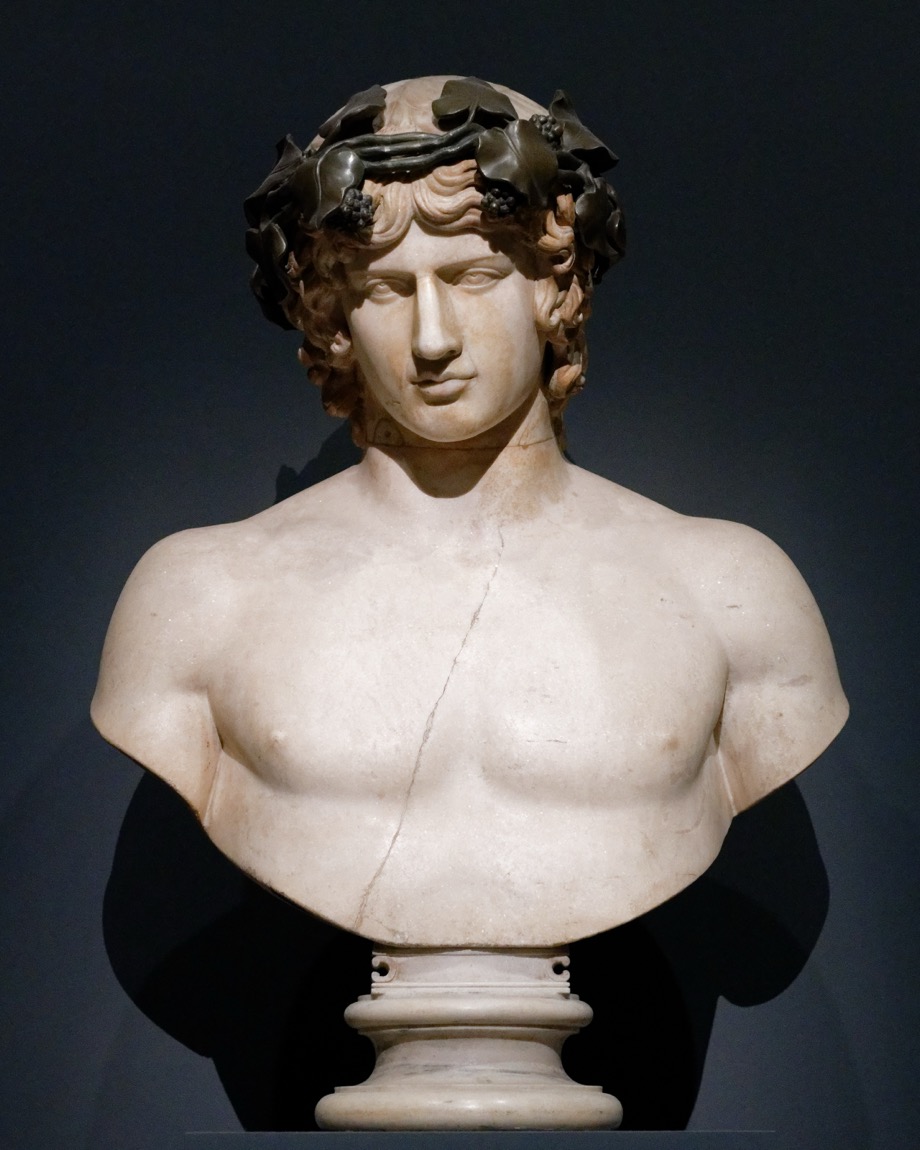
Portrait of Antinous
A Face Without a Voice
Antinous survives in more marble than almost anyone from antiquity who was not an emperor — hundreds of statues and busts, an idealized youth with the same downcast eyes and curling hair repeated across the empire, from Rome to Egypt to the edges of Asia Minor where he was born. He survives, too, in a single overwhelming fact: in October of 130 CE, on an imperial tour up the Nile, he drowned near a stretch of riverbank that the emperor Hadrian would rename in his honor. Everything else about him is inference built on that absence.
He was a Bithynian youth — from the northwestern corner of Asia Minor — who became Hadrian's constant companion on the emperor's long circuits of the provinces, and whose death provoked a grief so extravagant it reshaped the religious landscape of the Roman world. Hadrian deified him, founded the city of Antinoöpolis at the site of his death, and seeded temples, priesthoods, festivals, and even an oracle to his memory across the empire. What Antinous himself thought, wanted, or believed is not recorded anywhere. He is the best-attested face and the least-attested person in this entire archive.
Psychological Verdict
Calling Antinous an ISFP is less a psychological reading than an act of interpretive charity toward a man who left almost nothing of himself behind. The label rests on the thinnest available evidence: the serene, unguarded physicality that sculptors kept returning to, an athletic build the statuary insists on, and a general impression — never a documented one — of gentleness rather than ambition. There is no anecdote of him speaking, deciding, or acting on his own initiative that survives in any ancient source. Every trace of Antinous is a trace of how Hadrian, and the artists Hadrian commissioned, wanted him remembered — a beautiful, present, physically engaged companion, which is about as much as Introverted Feeling paired with Extraverted Sensing can be read into a body of stone.
The manner of his death only deepens the uncertainty rather than resolving it. Ancient and modern writers have proposed an accident, a ritual self-sacrifice believed to avert misfortune from the emperor, suicide, or even murder, with accident and ritual sacrifice the two explanations most often taken seriously — and the ambiguity was already alive in antiquity, not a modern invention. An ISFP reading of Antinous should be held loosely: it describes an impression the record left behind more than a mind we can actually claim to know.
Connected Figures
Further Reading
- Beloved and God: The Story of Hadrian and Antinous — Royston LambertThe standard biographical study, working from thin and often contradictory ancient testimony.
- Life of Hadrian — Historia Augusta (trans. David Magie)The principal ancient source for Antinous's death and Hadrian's reaction to it.
- Power and Eroticism in Imperial Rome — Caroline VoutExamines the imagery and cult that grew up around Antinous after his death.
- Hadrian: Empire and Conflict — Thorsten OpperBritish Museum exhibition catalog situating Antinous within Hadrian's wider reign.
