 Historical Figure MBTI
The Five Good Emperors
96–192 CE
Five successive emperors chosen by adoption rather than blood — Nerva, Trajan, Hadrian, Antoninus Pius, and Marcus Aurelius — presided over Rome's broadest extent and its most stable century, before the line broke on Marcus's decision to let his own son inherit.
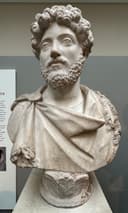
For a century after 96 CE, Rome tried something it would never quite manage again: choosing its rulers by merit instead of blood. Nerva, an elderly senator installed after the Praetorian Guard murdered the tyrant Domitian, secured his own shaky reign by adopting the general Trajan as his son — and the four emperors who followed him were each in turn adopted, not born, into the job. Hadrian consolidated what Trajan had conquered. Antoninus Pius spent twenty-three years governing from Rome without once leaving Italy. Marcus Aurelius wrote a private notebook of Stoic self-discipline between campaigns on the Danube, never intending it for publication.
It was Rome's broadest territory and its most stable government, and it ended the moment the system did — when Marcus, uniquely among the five, let his own son Commodus inherit the throne instead of adopting an heir. The court around them was just as consequential: the freed slave Epictetus taught the Stoicism that shaped Marcus's private mind, the physician Galen built thirteen centuries of medical orthodoxy from a gladiator's operating table, and the general Avidius Cassius proved, in the three months his rebellion lasted, just how much of the system's stability had depended on one philosopher-emperor's forbearance.
15 figures · sorted by birth year
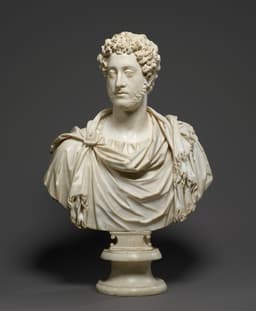
Commodus
infamousESFP
Marcus Aurelius's son who fought as a gladiator, renamed Rome after himself, and was strangled by his own wrestling partner.
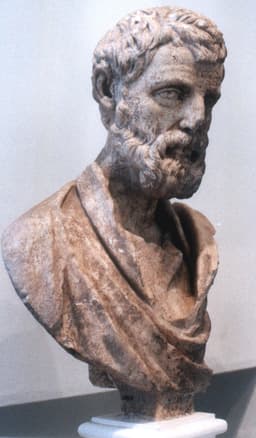
Herodes Atticus
obscureENTJ
The richest man in the Greek world, sophist and benefactor tried before Marcus Aurelius for tyrannizing his own beloved Athens.
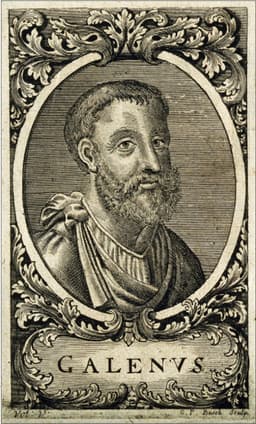
Galen
renownENTP
The gladiator surgeon turned imperial physician whose combative certainty ruled Western medicine for thirteen centuries.
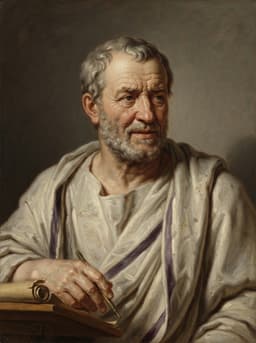
Fronto
obscureISFJ
Marcus Aurelius's rhetoric tutor, whose affectionate letters preserve a teacher gently nagging the student he never stopped loving.
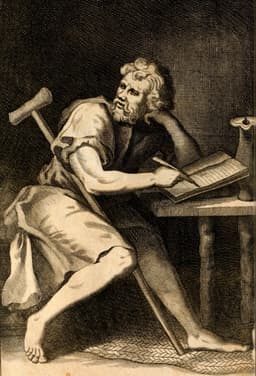
Epictetus
renownENFJ
Born a slave and lamed, he taught Stoicism at a school in Nicopolis so vividly that a student's notes shaped Marcus Aurelius.
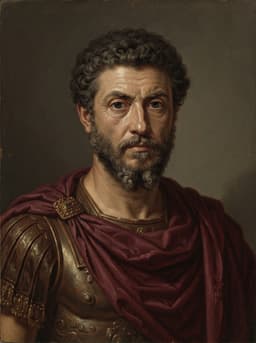
Avidius Cassius
notableENTJ
Marcus Aurelius's best eastern general, who declared himself emperor on a false death rumor and held Egypt and Syria for three months.
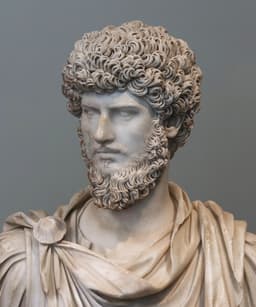
Lucius Verus
notableISFP
Marcus Aurelius's co-emperor, who ran the Parthian War by delegating to good generals while he enjoyed Antioch.
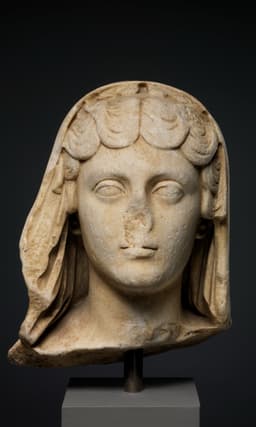
Faustina the Younger
notableESFJ
Marcus Aurelius's wife of thirty years, who lived at the Danube front with the legions and was named Mother of the Camp.
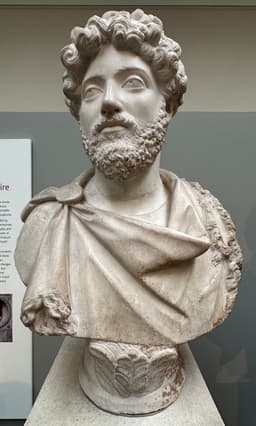
Marcus Aurelius
iconicINFJ
The philosopher emperor who wrote the Meditations privately in Greek and broke his own adoptive-succession system for his son.
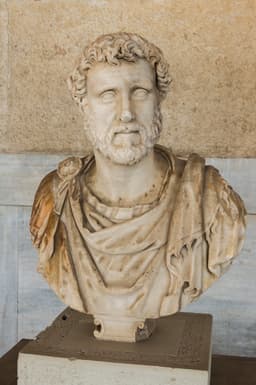
Antoninus Pius
notableISTJ
The steward-emperor who reigned twenty-three years, never left Italy, and never attended a single war.
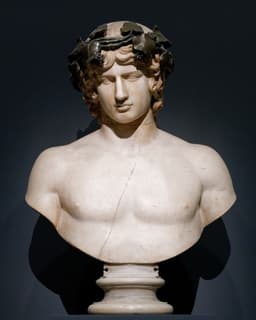
Antinous
obscureISFP
Hadrian's beloved companion, drowned in the Nile at twenty and deified with thousands of statues across the empire.
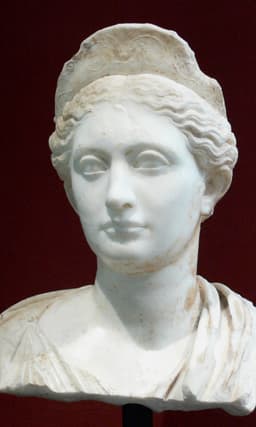
Vibia Sabina
obscureISTJ
Hadrian's wife in a famously cold, childless marriage arranged for dynastic convenience rather than affection.
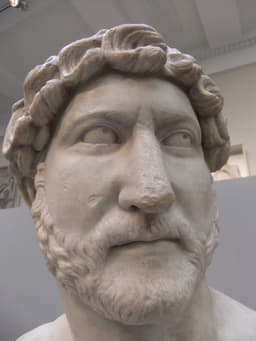
Hadrian
renownINTJ
The wandering architect-emperor who built a wall to close the empire's frontier and redesigned the Pantheon over his architect's objections.
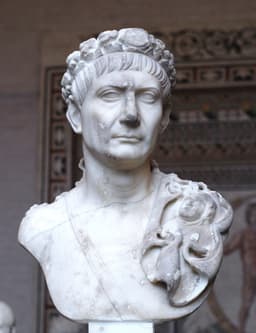
Trajan
renownESTJ
The optimus princeps who conquered Dacia and administered the empire so meticulously his correspondence survives as a manual.
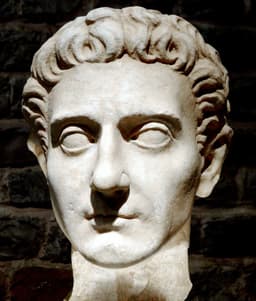
Nerva
notableISFJ
The elderly caretaker senator whose adoption of Trajan, forced by a Praetorian mutiny, accidentally founded a century of good rule.

Sign up for monthly insights
Monthly insights into history's most influential figures — examined through psychology, context, and cognitive pattern. Less stereotype, more structure. History, but with a mind map.
Powered by Buttondown