 Historical Figure MBTI
#670 · 5-17-26 · The Five Good Emperors
Herodes Atticus
The Richest Man in the Greek World
101 — 177 CE
3 min read
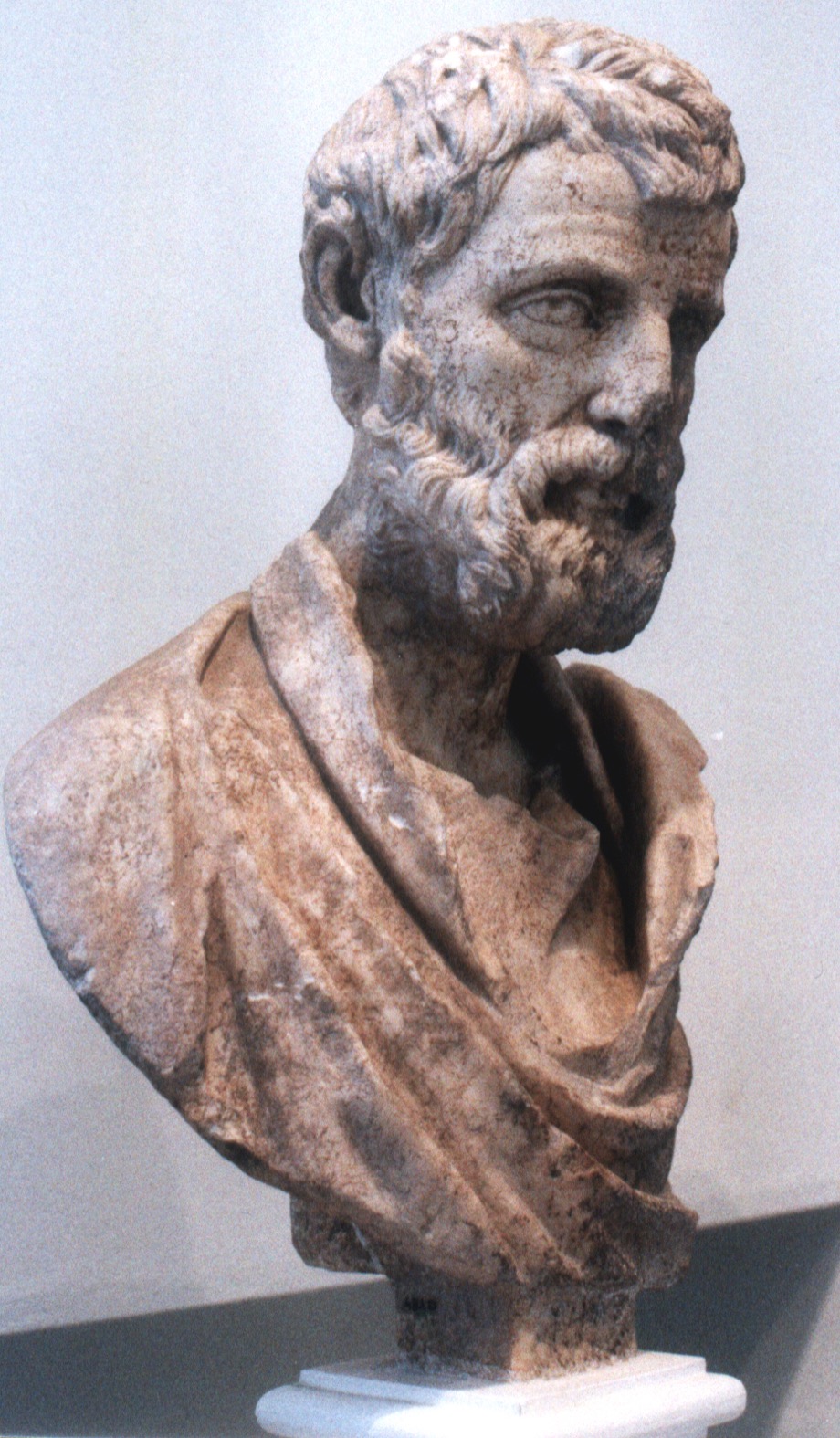
Portrait of Herodes Atticus
A Fortune Spent on Being Remembered
Herodes Atticus did not merely inherit wealth — he inherited, by family tradition, a buried hoard so vast that it made him, almost overnight, probably the richest private citizen anywhere in the Roman world. What he did with that money is the real biography. He did not retreat into comfort. He built: the great stone theater below the Athenian Acropolis that still bears his name, the Odeon of Herodes Atticus, raised in memory of his wife Regilla, along with aqueducts, stadiums, and temples scattered across the Greek cities he wanted to own a piece of, permanently, in their skylines.
He was, at the same time, one of the most celebrated teachers of rhetoric in the empire — a sophist whose students included the future emperors Marcus Aurelius and Lucius Verus. Money and intellect were both instruments in the same hand, and Herodes used them the same way: to be unmistakably, permanently in charge. His relationship with Athens, the city he lavished with gifts, curdled into open conflict; rivals accused him of behaving like a tyrant toward the very community he had endowed, and in around 174 CE he stood trial before his former pupil Marcus Aurelius, facing charges that reached all the way to the unexplained death of Regilla herself. He was acquitted of the gravest accusations, but the suspicion, like the buildings, never quite came down.
Psychological Verdict
Read as a type, Herodes reads as ENTJ. What stands out across his life is not the money itself but the compulsion to convert it — and his rhetorical gifts alongside it — into leverage over people and cities. He did not give quietly; he built monuments explicitly designed to be attributed to him, in stone, forever. He did not simply teach; he collected future emperors as students and used that access as a form of command. And he did not coexist easily with rivals or ordinary civic limits: his fights with Athens escalated to a formal trial rather than settling into grudging truce. That combination — outsized strategic ambition, comfort wielding both wealth and status as instruments of will, and an unwillingness to simply share space with people who challenged him — is the signature of a dominant, executive temperament rather than a quieter or more private one.
Connected Figures
Further Reading
- Lives of the Sophists — Philostratus (trans. Wilmer Cave Wright, Loeb Classical Library)The main ancient biography, written within living memory of Herodes's celebrity.
- Herodes Attikos and the City of Athens: Patronage and Conflict under the Antonines — Jennifer TobinThe standard modern study of his building program and his running feud with Athens.
- Making Space for Bicultural Identity: Herodes Atticus Commemorates Regilla — Maud Gleason, in Being Greek Under Rome (ed. Simon Goldhill)A close reading of how Herodes memorialized — and was suspected in the death of — his wife.
