 Historical Figure MBTI
#722 · 5-30-26 · The Conquest of Mexico
Cacamatzin
Lord of Texcoco · Dissenter · Arrested for Urging War
c. 1483 — 1520
2 min read
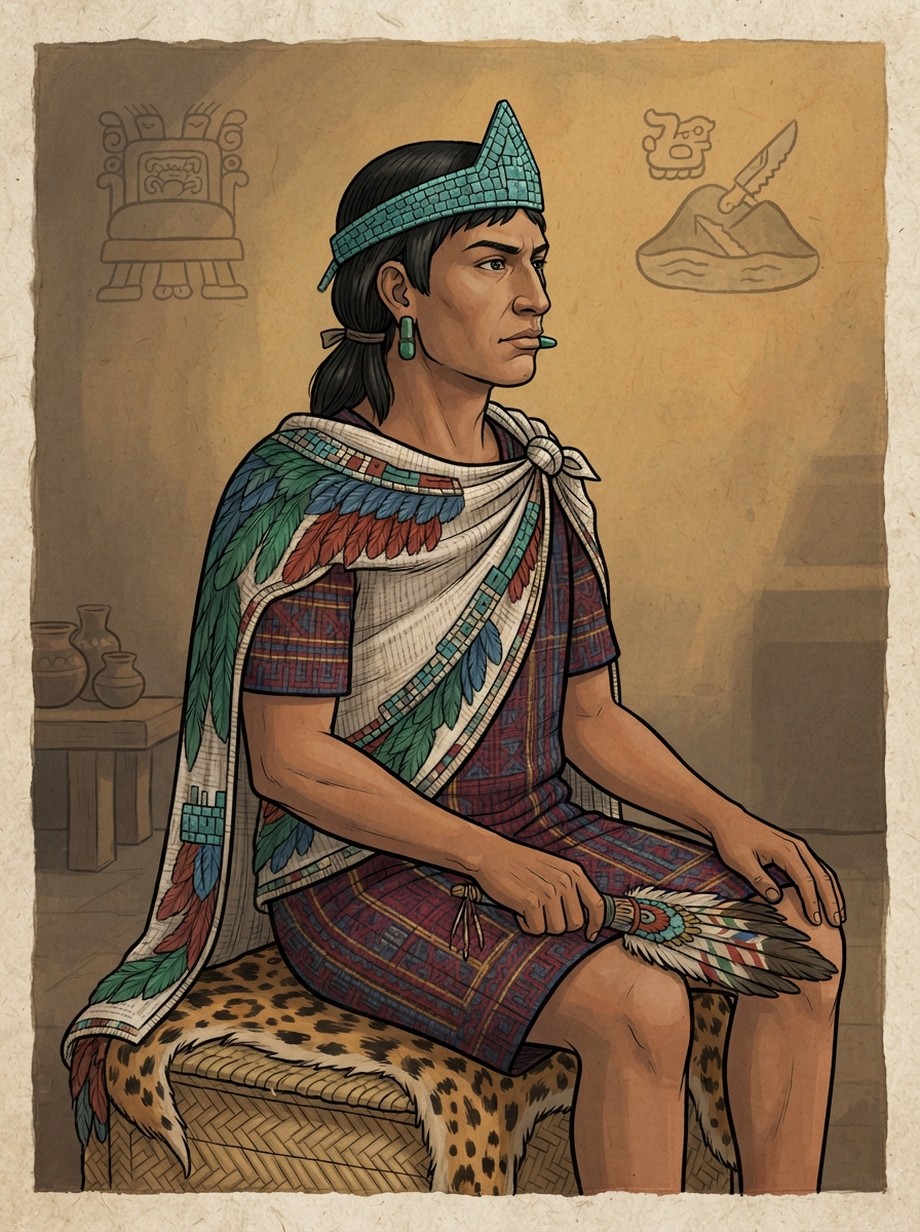
AI-assisted Portrait of Cacamatzin
The Man Who Said Fight
In 1515, Moctezuma II installed his nephew Cacamatzin as tlatoani of Texcoco, overriding a rival claim and splitting the kingdom before Cacamatzin ever sat on its mat. His half-brother, Ixtlilxochitl II, refused to accept the arrangement and broke away to rule the northern half of Texcoco's territory in open defiance — a family fracture that would later shape the conquest itself, as the brothers ended up on opposite sides of it.
When Cortés reached the Valley of Mexico, Moctezuma chose deliberation, weighing omens and precedent before deciding how to receive men he could not yet categorize. Cacamatzin did not weigh anything. He looked at armed strangers making camp on the causeways and said, bluntly and repeatedly, that they should never be let inside Tenochtitlan at all. It was the plainest reading available of what was standing in front of him, and he pushed it hard enough to become a problem.
It cost him everything. On Cortés's orders, and with Moctezuma's acquiescence, Cacamatzin was lured into a meeting and seized, then held hostage alongside his uncle. He never regained his freedom. He died in 1520 during the uprising that became La Noche Triste — killed in the fighting, or executed alongside the other captive nobles, depending on which account you trust. Either way, the war he had wanted to fight from day one was the one that killed him.
Where Moctezuma deliberated, this ESTP simply looked at the men camped outside the causeways and called it what it was — an invasion.
Connected Figures
Further Reading
- Fifth Sun: A New History of the Aztecs — Camilla TownsendReconstructs the Texcocan succession crisis and Cacamatzin's role from Nahua-language sources.
- Conquest: Montezuma, Cortés, and the Fall of Old Mexico — Hugh ThomasNarrative account of his arrest and the hostage period leading into La Noche Triste.
