 Historical Figure MBTI
The Conquest of Mexico
~1519 – 1550
Cortés's improvised gamble, Moctezuma's paralysis, and the Nahua civil war that let a few hundred Spaniards topple an empire.
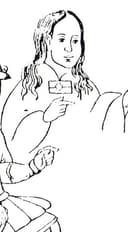
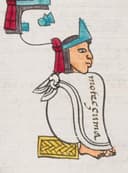
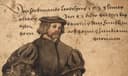
Hernán Cortés arrived as a fugitive from his own governor's authority, founded a town to dissolve that authority by law, and then talked, married, and fought his way into the court of Moctezuma II — an emperor who had spent seventeen years rebuilding the bureaucracy his uncle left him and then froze in front of an omen he could not place. What followed was less a clash of civilizations than a Nahua civil war with Spanish steel bolted on: La Malinche supplied the words, Ixtlilxochitl II supplied fifty thousand Texcocan warriors against his own brother, and Cuitláhuac nearly undid the whole enterprise in eighty days before smallpox undid him instead.
The empire's last defense fell to Cuauhtémoc, who held the causeways for ninety-three days and had his feet burned for gold he did not have. What survived the fall went two ways at once: Bartolomé de las Casas spent fifty years litigating against the system he had once profited from, while chroniclers like Bernal Díaz del Castillo waited decades to correct the official story with their own.
18 figures · sorted by birth year
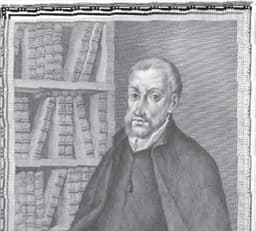
Juan Ginés de Sepúlveda
notableINTP
The Aristotelian scholar who argued for natural slavery and lost the argument in practice.
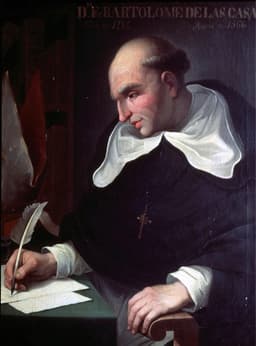
Bartolomé de las Casas
renownENFJ
The encomendero turned reformer who spent fifty years fighting the system he had profited from.
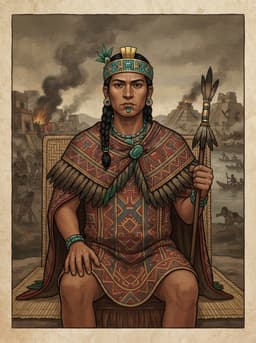
Cuauhtémoc
renownISTJ
The last tlatoani, who held the causeways ninety-three days and would not name the gold.
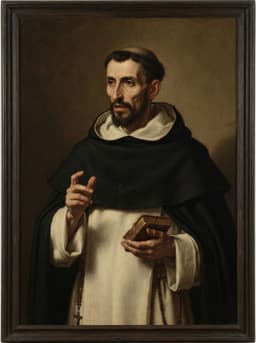
Antonio de Montesinos
obscureINFJ
The friar whose one Advent sermon in 1511 planted the seed of Las Casas's conversion.
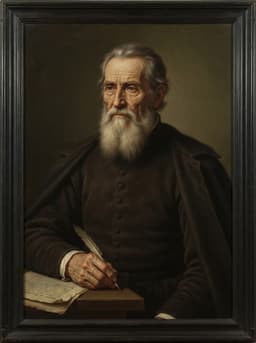
Bernal Díaz del Castillo
notableISFJ
The foot soldier who wrote a true history decades later to correct the official one.
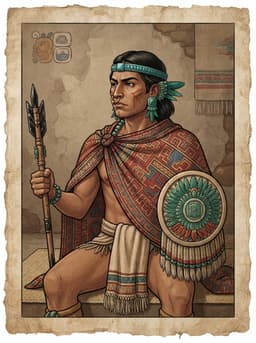
Ixtlilxochitl II
obscureENTJ
The Texcocan prince whose 50,000 warriors made the siege of Tenochtitlan possible.
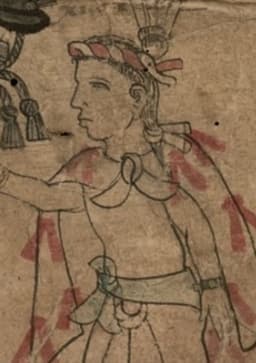
Xicotencatl the Younger
notableESTP
The Tlaxcalan general who fought Cortés hardest, then was hanged for opposing the alliance with him.
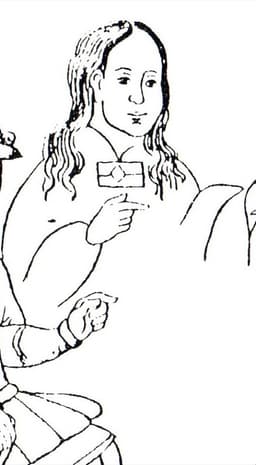
La Malinche
iconicINTJ
The enslaved interpreter whose voice and judgment shaped the conquest of Mexico.
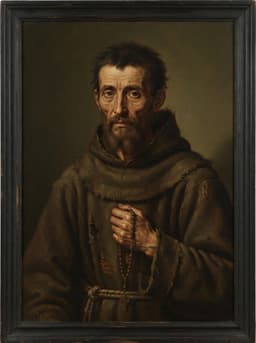
Jerónimo de Aguilar
obscureISTJ
The shipwrecked friar who kept his faith through eight years of captivity and became Cortés's translator.
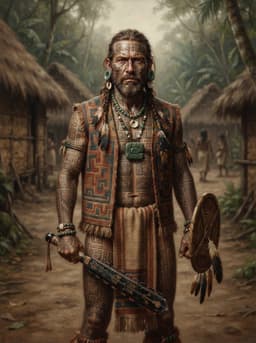
Gonzalo Guerrero
notableISFP
The shipwrecked Spaniard who became a Maya war chief and refused Cortés's call to return.

Isabel Moctezuma
notableISFJ
Moctezuma's daughter, married five times, who carried the Mexica dynasty into colonial New Spain.
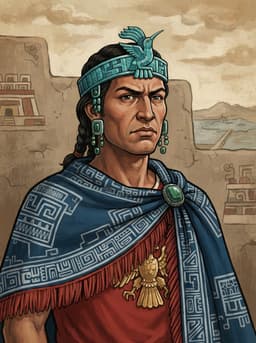
Cuitláhuac
notableESTJ
The tenth tlatoani who expelled Cortés from Tenochtitlan and died of smallpox eighty days later.
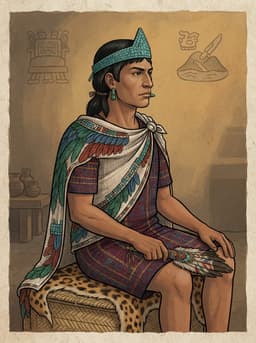
Cacamatzin
obscureESTP
The young lord of Texcoco arrested for urging his uncle Moctezuma to fight the Spanish.
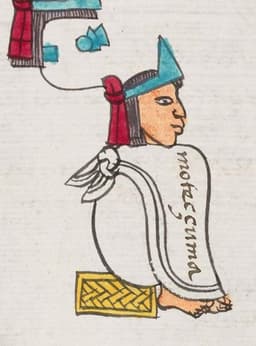
Moctezuma II
iconicINFJ
The ninth tlatoani whose reforming reign gave way to paralysis before Cortés's arrival.
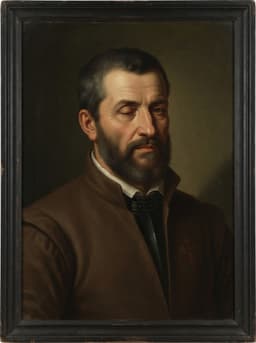
Pánfilo de Narváez
obscureESTJ
The by-the-book commander sent to arrest Cortés, defeated, then lost at sea off Florida.
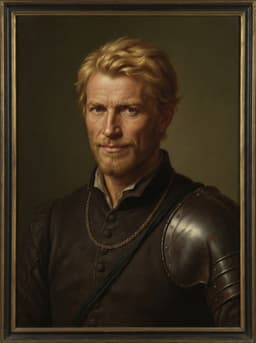
Pedro de Alvarado
notableESTP
Cortés's golden, charming lieutenant whose Templo Mayor massacre triggered the Aztec uprising.
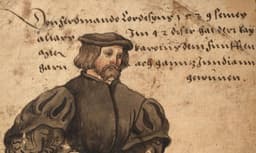
Hernán Cortés
iconicENTP
The conquistador whose improvised legal fictions and gambles brought down an empire.
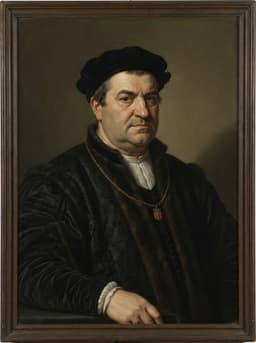
Diego Velázquez de Cuéllar
notableESTJ
The governor of Cuba who commissioned Cortés's expedition and spent his last years trying to reclaim it.

Sign up for monthly insights
Monthly insights into history's most influential figures — examined through psychology, context, and cognitive pattern. Less stereotype, more structure. History, but with a mind map.
Powered by Buttondown