 Historical Figure MBTI
#720 · 5-29-26 · The Conquest of Mexico
Pánfilo de Narváez
Commander · Rival · The Florida Catastrophe
c. 1470 — 1528
3 min read
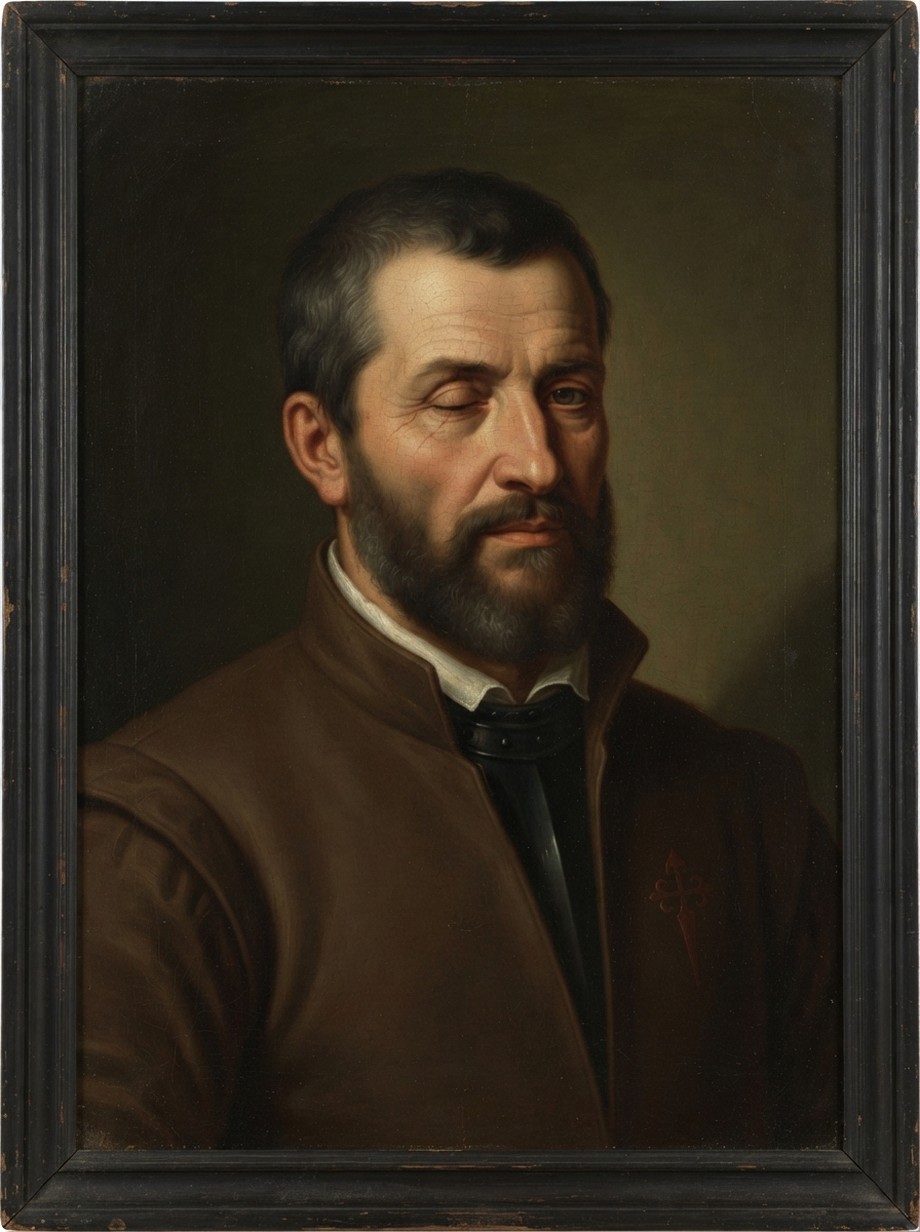
AI-assisted Portrait of Pánfilo de Narváez
By the Book
Pánfilo de Narváez made his name in Cuba in 1511, at the elbow of Diego Velázquez de Cuéllar, helping subdue the island with the plodding competence of a man who never once doubted the chain of command that had put him there. He was brave in a straightforward, unimaginative way — the officer every governor wants beneath him and no governor wants against him, because it never occurred to him to be against anyone. Contemporaries remembered him as tall, red-bearded, loud, and thoroughly conventional: the sort of commander who wins skirmishes by following the manual and loses campaigns by never noticing when the manual has stopped applying.
That blind spot cost him in 1520. Velázquez, furious that Hernán Cortés had slipped his authority and marched inland toward Tenochtitlan on his own initiative, sent Narváez to Mexico with the largest Spanish force yet assembled in the New World, with orders simply to arrest Cortés and bring the expedition back under control. Narváez did exactly as told: made camp, posted the sort of orderly, by-the-numbers watch a garrison commander is supposed to post, and waited. Cortés, badly outnumbered, marched his men all night through a rainstorm and fell on that camp before dawn. Narváez lost an eye in the fighting and, with it, his army — most of his soldiers simply switched sides, glad to trade a cautious martinet for a captain who had just proven he could win against the odds. Velázquez's remedy for insubordination became the reinforcement that let Cortés take an empire.
Seven years and a restoration to royal favor later, Narváez asked for, and received, a conquest of his own: a 1527 license to settle Florida. He organized it exactly as he organized everything, by the letter of a royal patent that assumed a coastline nothing like the one he actually found. Ships went missing, columns starved, guides misread the interior, and by the time he ordered his surviving men to lash together makeshift rafts and strike out along the Gulf, the expedition had already dissolved into the catastrophe Álvar Núñez Cabeza de Vaca would later chronicle in painstaking detail. Narváez's own raft was swept out to sea in 1528, and he was never seen again. Of roughly three hundred men who had landed with him, only four eventually walked out alive.
Narváez ran the tightest, most conventional command in the conquest — and it kept failing against exactly the things a manual cannot anticipate. He was the archive's clearest ESTJ, and its clearest case of institutional competence meeting catastrophe.
Connected Figures
Further Reading
- Conquest: Montezuma, Cortés, and the Fall of Old Mexico — Hugh ThomasThe standard account of Narváez's defeat at Cempoala and its decisive effect on the conquest.
- La Relación — Álvar Núñez Cabeza de VacaThe firsthand chronicle of a survivor, tracing the Florida expedition's collapse after Narváez's disappearance.
- A Land So Strange: The Epic Journey of Cabeza de Vaca — Andrés ReséndezA modern narrative history of the Florida disaster and the years-long overland trek of its four survivors.
