 Historical Figure MBTI
#729 · 5-31-26 · The Conquest of Mexico
Ixtlilxochitl II
Prince of Texcoco · Defector · The Nahua Civil War
c. 1500 — 1531
3 min read
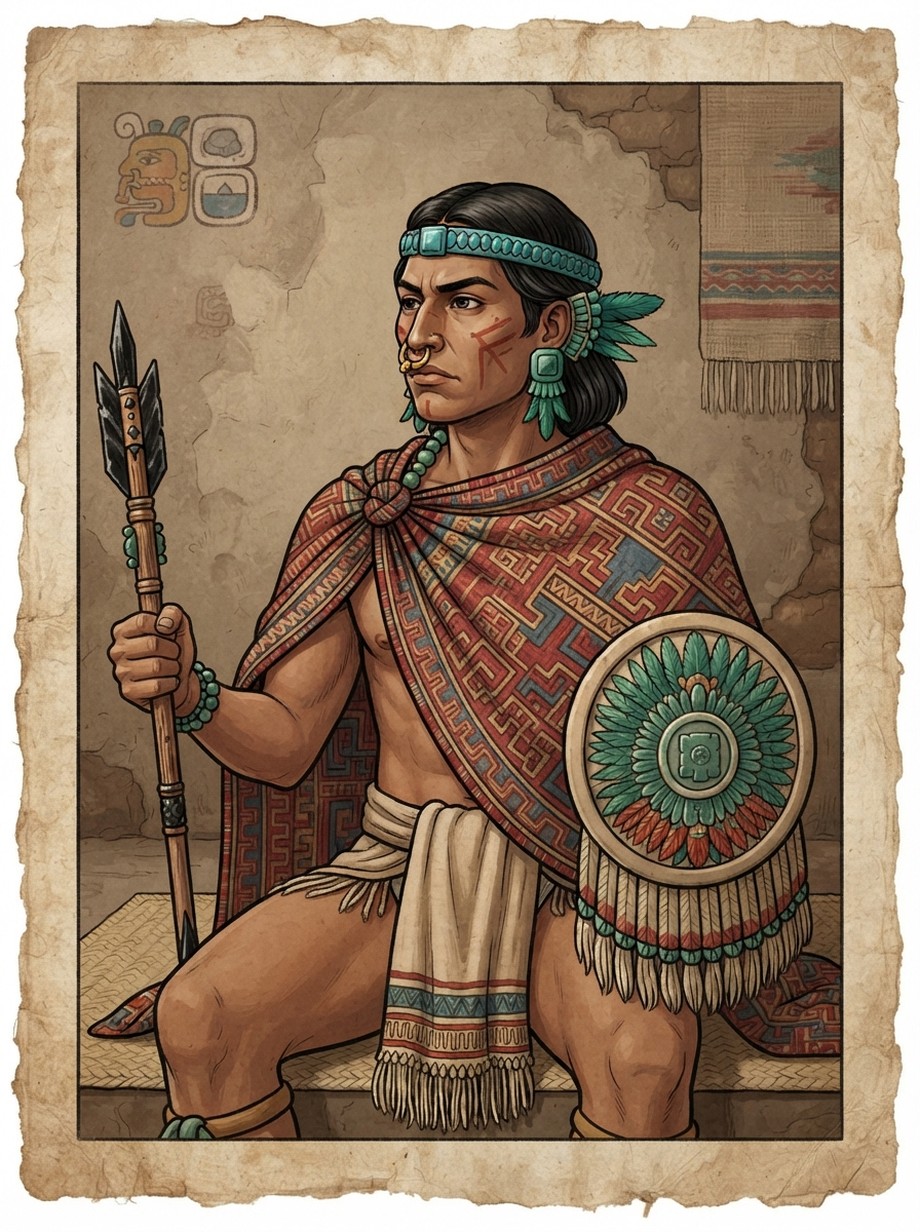
AI-assisted Portrait of Ixtlilxochitl II
The Brother Who Chose the Other Side
When Moctezuma II installed his half-brother Cacamatzin as tlatoani of Texcoco in 1515, passing over Ixtlilxochitl in favor of a ruler who would answer to Tenochtitlan, the younger prince did not petition, sulk, or wait his turn. He broke the kingdom in half. Rallying support in the north, he carved out an independent power base beyond his brother's reach — a durable, self-built fiefdom that answered to no one, years before a single Spaniard had set foot in the valley. It was a grievance turned into a functioning state.
That grievance is what made him useful to Hernán Cortés, and what makes his story matter more than its obscurity suggests. Ixtlilxochitl allied with the Spanish not out of confusion about what they were, but because they offered the fastest route to settling accounts with Tenochtitlan and his brother's line. He is estimated to have supplied some 50,000 Texcocan warriors to the siege that finally broke the Mexica capital — a force that dwarfed Cortés's own several hundred men and made the siege logistically possible at all. The "Spanish conquest" was, in no small part, a Nahua civil war that a small European contingent had the good fortune to attach itself to, and Ixtlilxochitl supplied its largest single army.
Psychological Verdict
Ixtlilxochitl reads as an ENTJ — a mind organized around leverage, scale, and the long campaign rather than the immediate skirmish. Splitting Texcoco's territory in 1515 was not an emotional rupture but a strategic one: rather than accept a subordinate position inside a system his brother now controlled, he built a rival system of his own, and held it together for years through sheer force of organization. That capacity to build durable structures of command from a standing start is the clearest signature of dominant Extraverted Thinking, and it is what let him convert a personal grudge into 50,000 mobilized warriors when the opportunity arrived.
The alliance with Cortés is the same instinct at continental scale. Where a more cautious ruler might have hedged, waited to see which side would win, or stayed loyal to a pan-Nahua identity that arguably didn't yet exist, Ixtlilxochitl moved early and committed fully, reading the arrival of the Spanish as a lever large enough to finally settle Texcoco's succession on his own terms. He gambled his dynasty's future on an alien and unpredictable ally because the payoff — his brother's capital in ruins, his own line ascendant — was worth the risk. He got exactly what he wanted: baptism, a Spanish-recognized lordship over Texcoco, and a family line that would go on producing chroniclers who insisted, at length, on how central his contribution had been. History has mostly forgotten him. He built his whole career on making sure it wouldn't have to.
Connected Figures
Further Reading
- Fifth Sun: A New History of the Aztecs — Camilla TownsendReframes the conquest around Nahua sources and Indigenous political rivalries like this one.
- When Montezuma Met Cortés — Matthew RestallDismantles the myth of a purely Spanish conquest, with attention to Texcocan defection.
- Ally of Cortés — Fernando de Alva IxtlilxochitlThe prince's own descendant's partisan chronicle of the family's role in the conquest.
