 Historical Figure MBTI
#683 · 5-21-26 · The Roman Republic
Clodius Pulcher
Plebeian by Adoption · Street Gang Inventor
c. 93 BCE — 52 BCE
3 min read
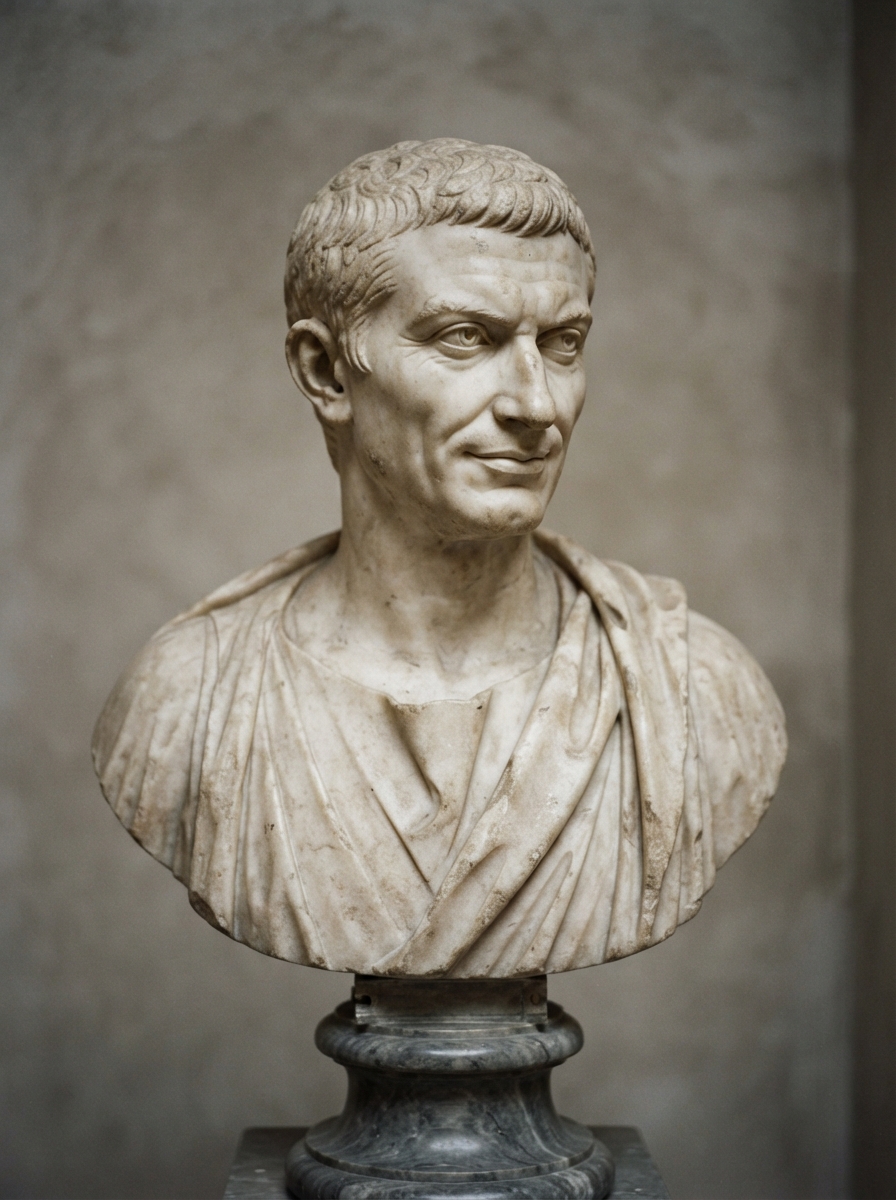
AI-assisted Portrait of Clodius Pulcher
A Patrician Who Sold His Birthright to Cause Trouble
Publius Clodius Pulcher was born into one of Rome's oldest patrician houses and spent his career trying to escape it. In 59 BCE he arranged his own adoption into a plebeian family — a legal fiction so transparent that everyone involved, including Julius Caesar, knew exactly what it was for — purely so he could stand for tribune of the plebs, an office patricians were barred from holding. It was not the last time he would treat an institution as a puzzle to be solved rather than a rule to be obeyed.
Three years earlier he had infiltrated the all-female rites of the Bona Dea dressed as a woman, reportedly to reach Caesar's wife Pompeia; the scandal was serious enough that Caesar divorced her over it while publicly doubting the charges against Clodius himself. As tribune, Clodius hounded Cicero into exile and — his most lasting innovation — organized Rome's street mobs into standing political gangs, the collegia, turning riot and intimidation into a repeatable instrument of policy. His rival Milo built a counter-gang; their war in the streets ended with Clodius dead on the Appian Way in 52 BCE, and a Roman mob burning down the Senate House itself as his funeral pyre.
Every scheme was a different costume for the same appetite — ENTP improvisation aimed, again and again, at disrupting whatever stood in front of it.
Psychological Verdict
Clodius reads as ENTP because no two of his schemes look alike, and yet all of them point the same direction. Dominant Ne is the engine: aristocrat turned fake plebeian, cross-dressing infiltrator, mob organizer — each a fresh angle of attack on the same underlying drive to disrupt power rather than simply hold it. Auxiliary Ti is what makes the schemes work rather than collapse into noise: the adoption was a genuine exploit of Roman adoption law, and the collegia were a real structural innovation, gangs built with enough internal organization to outlast a single riot. He was initially read as ESTP — the street violence looks like raw sensory force — but Se types escalate through direct confrontation, not through a new institutional workaround every time. Clodius never repeated a method. That serial reinvention, more than the violence itself, is the signature of Ne running the show.
Connected Figures
Further Reading
- Letters and Speeches — CiceroPrimary source on Clodius, hostile but detailed, from his chief political enemy.
- The Patrician Tribune: Publius Clodius Pulcher — W. Jeffrey TatumThe standard modern biography and reassessment of Clodius's career.
- SPQR — Mary BeardGeneral history of Rome situating Clodius within the Republic's collapse.
