 Historical Figure MBTI
The Roman Republic
~100 BCE – 14 CE
Caesar, Cleopatra, Cicero, Pompey, and the generation that destroyed the Republic and built the Empire.
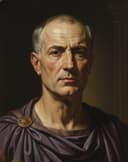
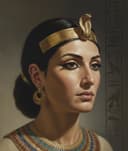
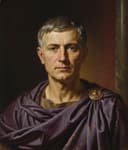
In the last century before everything changed, the Roman Republic tore itself apart — and in tearing itself apart, invented the template for everything that came after. Julius Caesar crossed the Rubicon with one legion and a plan. Cicero gave speeches so good they are still assigned in Latin classes, and died for the old order he couldn't save. Cleopatra — the last pharaoh of Egypt, fluent in nine languages — played Rome's generals against each other from her throne on the Nile.
What happened here didn't just end a republic. It established the Principate, the imperial cult, and the political DNA of every Western government since. Augustus called himself First Citizen. He meant emperor. The figures in this era lived through the moment the ancient world became the modern one.
24 figures · sorted by birth year
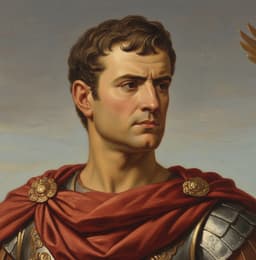
Pompey
renownESTJ · b. 106 BCE
Julius Caesar's greatest rival — until Caesar crossed the Rubicon
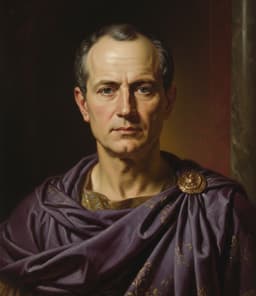
Marcus Tullius Cicero
renownENFJ · b. 106 BCE
Orator, statesman, philosopher — the voice of the Republic.
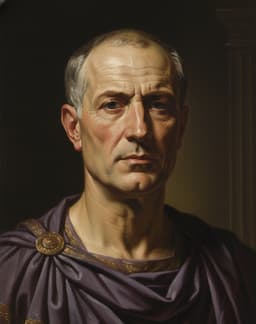
Julius Caesar
iconicENTJ · b. 100 BCE
General, reformer, dictator — the man who centralized Rome around himself.
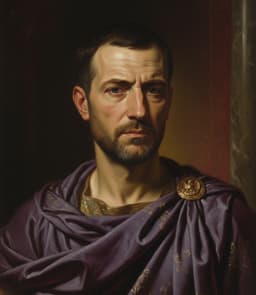
Marcus Junius Brutus
renownINFJ · b. 85 BCE
Senator, philosopher, conspirator — the idealist who chose the Republic over the man.
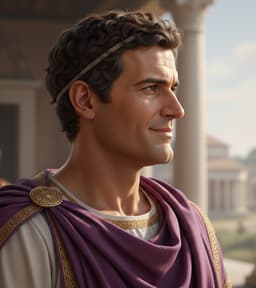
Mark Antony
renownESFP · b. 83 BCE
The general who chose Cleopatra over Rome
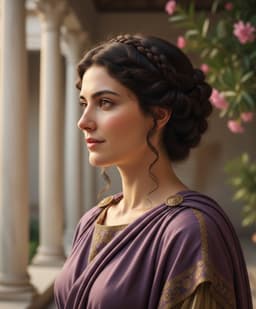
Octavia Minor
notableISFJ · b. 69 BCE
Augustus's sister — Mark Antony's abandoned wife, Cleopatra's rival
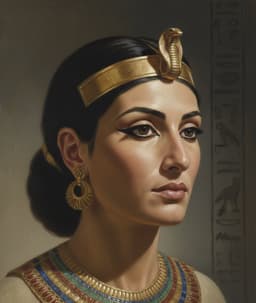
Cleopatra VII Philopator
iconicENTJ · b. 69 BCE
Last Pharaoh of Egypt, political strategist, and sovereign in the shadow of Rome.
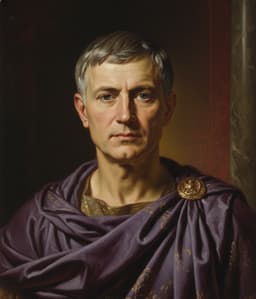
Augustus
iconicINTJ · b. 63 BCE
Founder of the Principate, architect of Roman stability.
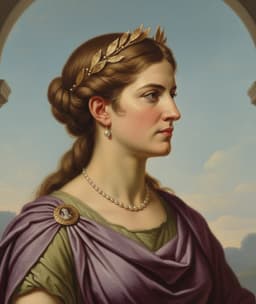
Livia Drusilla
notableENTJ · b. 58 BCE
First Empress of Rome, matriarch of the Julio-Claudian line.
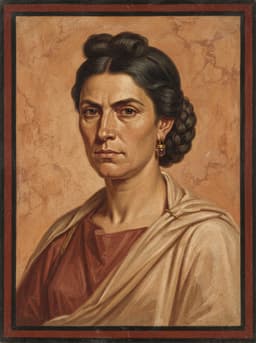
Fulvia
notableENTJ
The first Roman woman on a coin, who raised eight legions to fight for her husband's cause.

Servilia
obscureINTJ
Caesar's mistress and Brutus's mother, who directed Roman politics entirely from behind the scenes.
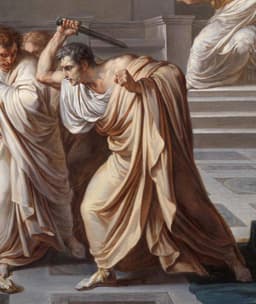
Cassius Longinus
notableINTJ
The cold organizer who conceived the plot against Caesar and recruited Brutus to legitimize it.

Clodius Pulcher
obscureENTP
The patrician who had himself adopted as a plebeian and invented the political street gang.
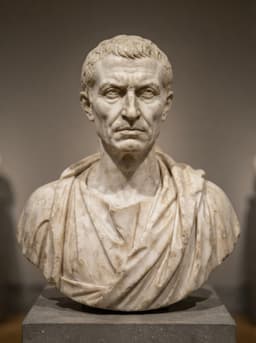
Catiline
notableESTP
The bankrupt patrician whose conspiracy Cicero exposed, and who died charging into enemy lines.

Vercingetorix
notableENFJ
The Gallic chieftain who united rival tribes against Caesar, then surrendered himself to spare them.
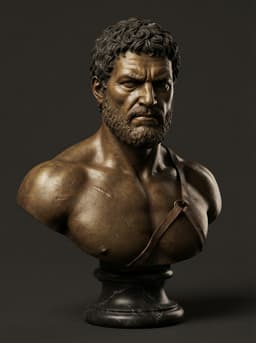
Spartacus
renownESTP
The gladiator who broke out with kitchen tools and beat nine Roman armies before Crassus ended it.
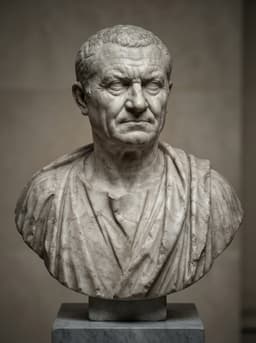
Crassus
renownESTJ
Rome's richest man, who bought his way to power and died reaching for the glory money couldn't.
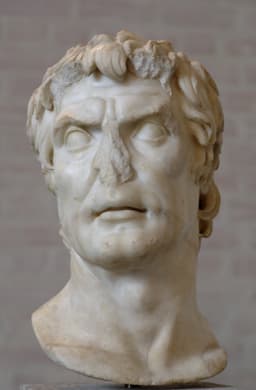
Sulla
renownENTJ
The dictator who rebuilt Rome's constitution by force, then walked away once the work was done.

Sertorius
obscureINTJ
The rebel general who built a parallel Roman senate in Spanish exile and held off Pompey for years.

Jugurtha
obscureENTP
The Numidian king who outmaneuvered a string of Roman commanders and called Rome a city for sale.
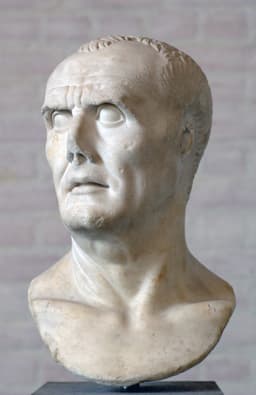
Gaius Marius
renownESTP
The seven-time consul who reformed Rome's army and ended his career in a grudge-driven bloodbath.
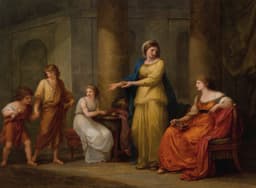
Cornelia
notableESFJ
The mother who refused a Ptolemy's crown and raised the two sons who broke the Republic open.

Gaius Gracchus
notableENTJ
The tribune who turned his brother's cause into a legislative program, and died defending it.
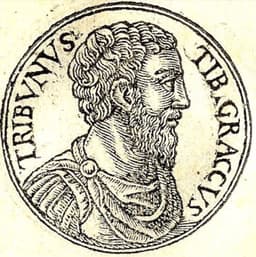
Tiberius Gracchus
notableENFJ
The tribune whose land reform for Rome's poor got him clubbed to death by his own senate.

Sign up for monthly insights
Monthly insights into history's most influential figures — examined through psychology, context, and cognitive pattern. Less stereotype, more structure. History, but with a mind map.
Powered by Buttondown