 Historical Figure MBTI
#1178 · 8-28-26 · The Three Kingdoms
Ding Feng
Wu's Last Great General · Snow Battle Tactician · Survivor to the Kingdom's End
? — 271
3 min read
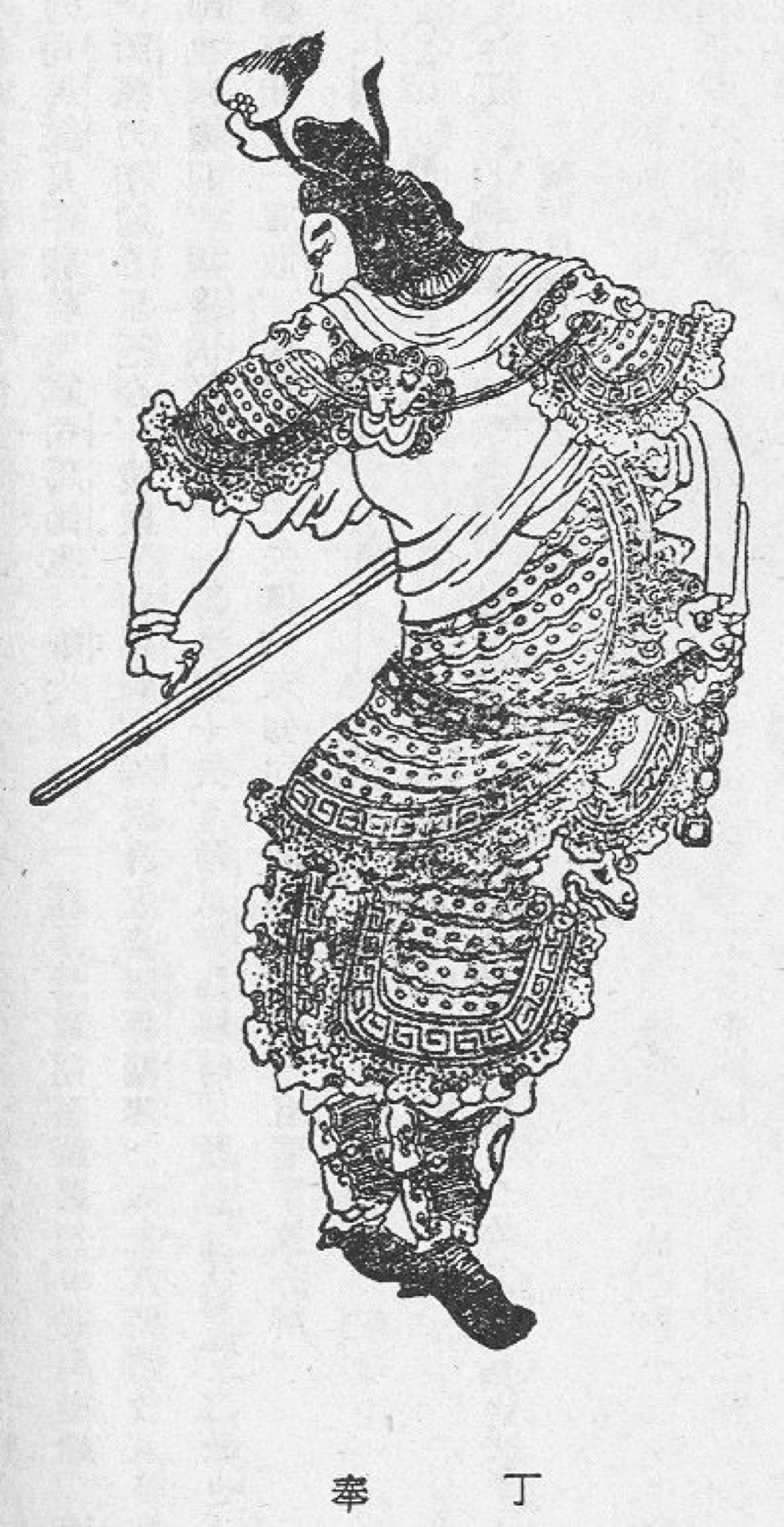
Portrait of Ding Feng
The General Who Outlasted the Kingdom's Best Years
Ding Feng's career spans nearly the entire life of the state of Wu, from Sun Quan's founding wars through the long decline under Sun Hao, one of the most disastrous rulers of the era. Where most of Wu's celebrated commanders — Zhou Yu, Lu Su, Lu Meng, Lu Xun — belong to the kingdom's ascendant decades, Ding Feng belongs to all of them at once: a soldier who simply kept showing up, campaign after campaign, decade after decade, until he was one of the last men alive who remembered what Wu had been at its best.
His defining moment came in the winter of 252, at the Battle of Dongxing. A Wei army had crossed into Wu territory expecting an easy fight, and its officers, contemptuous of the cold and of Wu's supposed weakness, had let discipline slacken in their camps. Ding Feng read the situation the way a craftsman reads a familiar material: he stripped his men of heavy armor for speed, crossed the frozen ground at a dead run, and fell on the Wei camps before they could organize a defense. It was not a gamble so much as a correctly weighted bet — cold, overconfidence, and terrain all pointed the same direction, and Ding Feng was the one who trusted what he saw enough to act on it immediately.
He went on serving for another two decades, through the reigns of increasingly poor Wu rulers, dying in 271 as one of the last capable hands holding the kingdom together before its collapse to Jin less than a decade later.
An ISTJ general in the truest sense: not a tactician of daring improvisation, but of trusted precedent, read terrain, and a discipline that simply refused to run out.
Psychological Verdict
What sets Ding Feng apart from Wu's more famous strategists is not brilliance but reliability — the specific, unglamorous virtue of an ISTJ who reads a situation using what he has already seen proven, rather than what he can imagine. At Dongxing, the winning insight was not exotic: cold weather punishes armor and rewards speed, and an enemy grown careless in victory is an enemy that can be surprised. Any officer might have noticed the same facts. Ding Feng is remarkable for having trusted them completely and acted on them without hesitation, stripping his own men down to move faster in temperatures that would have made a less disciplined commander hedge.
That same steadiness explains his longevity more than any single battle does. Wu's court grew erratic and dangerous under Sun Hao, and many capable men did not survive it. Ding Feng did, not by maneuvering politically but by continuing to be indispensable in the one register that mattered regardless of who sat on the throne: a general who could be counted on to do the concrete, provable thing well, campaign after campaign, until there was almost no one else left who could.
Connected Figures
Further Reading
- Generals of the South — Rafe de CrespignyThe standard English-language study of Wu's military leadership and the Dongxing campaign.
- Records of the Three Kingdoms (Sanguozhi) — Chen ShouThe primary chronicle recording Ding Feng's campaigns from Sun Quan's reign to Sun Hao's.
- A Biographical Dictionary of Later Han to the Three Kingdoms — Rafe de CrespignyReference entries on Wu's officer corps, including Ding Feng's career timeline.
