 Historical Figure MBTI
#516 · 4-21-26 · The Wars of the Roses
Elizabeth Woodville
Queen of England · The Commoner Who Married a King
c. 1437 — 1492
9 min read
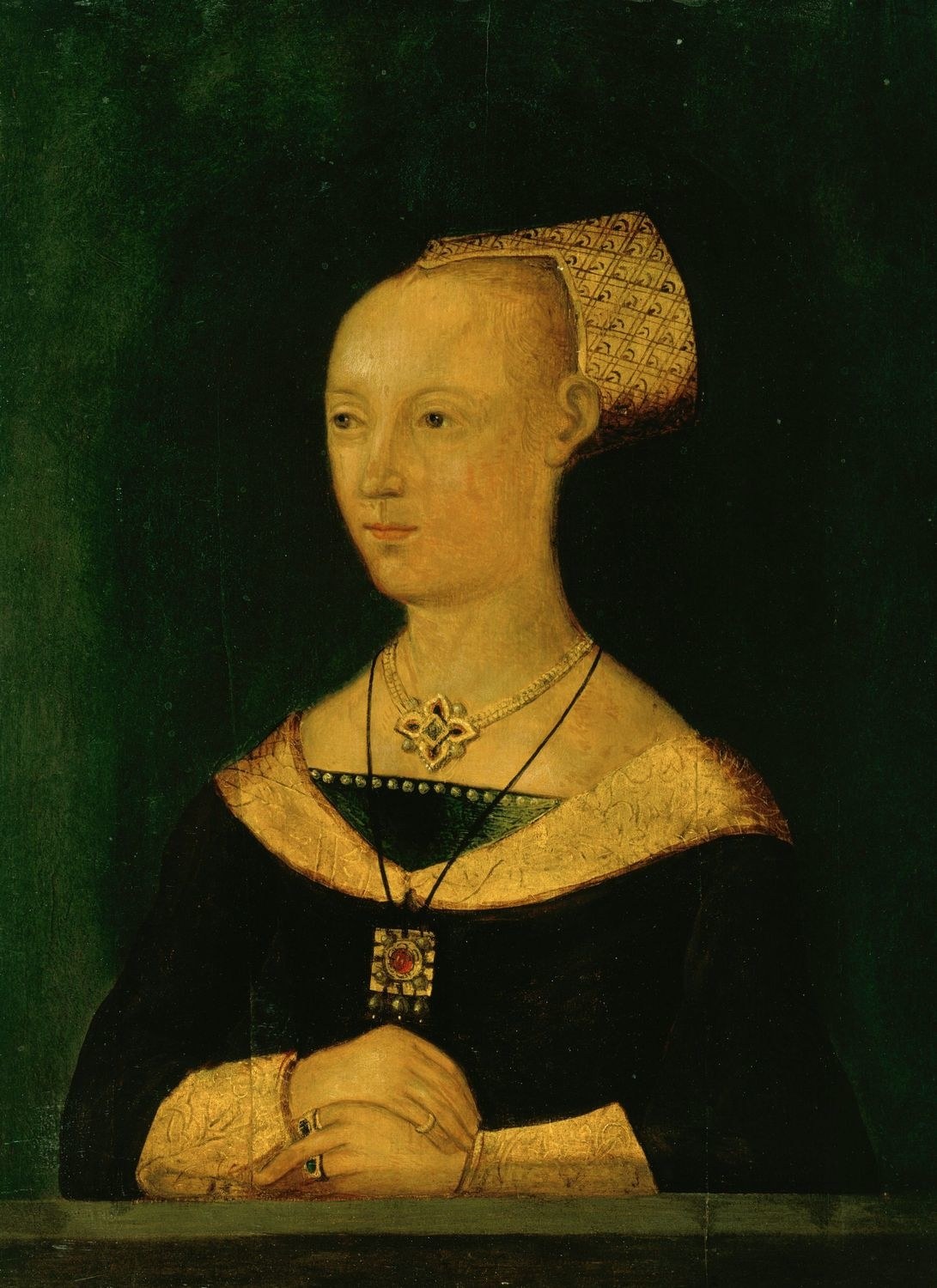
AI-assisted Portrait of Elizabeth Woodville
The Commoner Who Refused to Lose
In the spring of 1464 the young king of England, Edward IV, slipped away from his hunting party and married, in secret, a Lancastrian widow five years his senior with two small sons and no fortune to recommend her. It was an act of romantic recklessness that scandalized a court built on dynastic arithmetic—a reigning king did not wed a subject, least of all the daughter of a mere knight and the widow of an enemy. Yet the woman at the center of that scandal, Elizabeth Woodville, would prove the least sentimental figure in the room. The marriage may have been Edward's romance; it was Elizabeth's opportunity, and she set about exploiting it with a cold, managing competence that would carry her family from obscurity to the steps of the throne—and carry her own blood, in the end, onto it.
Born around 1437, she had already buried one husband—Sir John Grey, a Lancastrian knight cut down in the wars—before Edward ever saw her. Beautiful, shrewd, and fiercely loyal to her own, she became queen of England and immediately went to work advancing her large, hungry clan. The grasping Woodvilles were married into the great houses and lifted into wealth and office, to the fury of the old nobility and of the Earl of Warwick, the kingmaker who had not been consulted. When Edward died suddenly in 1483, the operator was tested as no queen had been: her sons, the Princes in the Tower, were seized and vanished under Richard III, and Elizabeth fled with her daughters into the sanctuary of Westminster. From that ruin she did not collapse. She negotiated.
Elizabeth Woodville was the ESTJ in the hardest school imaginable—dominant Te paired with Si: a relentless, managing operator who advanced her house, brokered alliances, and turned even the loss of her sons into a dynastic transaction that founded a royal line.
The Builder of a House
Te — dominant
Dominant Te asks one question of any situation: how do I make this work to advantage? Elizabeth asked it of her marriage from the first day. A queen of more conventional temperament might have been content with the crown; Elizabeth treated her elevation as capital to be deployed. She had a dozen siblings and two sons of her own, and she spent the political windfall of her position systematically—arranging that her brothers married heiresses, that her sisters captured earls and dukes, that her son Thomas Grey became a marquess. The Woodville marriages of the 1460s were not affection but portfolio-building: each match converted royal favor into a permanent stake in the aristocracy.
That managing instinct is what made her so hated. The old nobility saw a parvenu family engrossing the marriage market and the offices of state, and Warwick—who had been negotiating a French royal bride for Edward when the secret marriage blindsided him—turned on the king largely over the Woodville ascendancy. Te does not flinch from being resented; it measures results, not goodwill. Elizabeth's family rose higher and faster than any in living memory, and she made no apology for it. The crisis of 1483 then revealed Te at its most formidable. Stripped of her husband, her sons taken, cornered in sanctuary, she did not grieve herself into paralysis. She opened a back channel to Margaret Beaufort and negotiated the single most consequential transaction of the age: the marriage of her daughter to Margaret's son.
Her genius was transactional under fire. Where another would have seen only the loss of two sons, Elizabeth saw a surviving daughter, an enemy with a son, and a throne that might still be reached through a deal—and she closed it.
Rank, Blood, and the Long Game
Si — auxiliary
If Te supplied the drive, auxiliary Si supplied the loyalties it served. Elizabeth's ambition was never abstract—it was always for the house, for the kin, for the preservation and elevation of her own blood across generations. Si is the function of family memory and status-consciousness, the careful guarding of what one has and the patient accumulation of more. Everything Elizabeth built was built to last and to be inherited: lands settled on her sons, titles entailed on her brothers, a network of marriages designed to root the Woodvilles permanently among the great.
That same conservative loyalty governed her conduct in catastrophe. Twice she took her children into sanctuary at Westminster—in 1470 when Warwick briefly restored Henry VI, and again in 1483—falling back on the oldest protections the church offered rather than gambling on flight or open defiance. Hers was not the improviser's temperament that throws everything on a single bold stroke; it was the guardian's instinct to secure what could be secured and wait for the position to change. And when Henry Tudor took the crown, Si had its vindication: Elizabeth was restored to her rank as queen dowager, her daughter was queen, and her blood was lodged in the line of succession exactly where she had spent thirty years trying to put it.
The Improbable Alliance
Ne — tertiary
Tertiary Ne in an ESTJ is not a fountain of theory; it surfaces in moments when the proven playbook has failed and the operator must imagine an option no one else can see. For Elizabeth that moment came in sanctuary in 1483, with her sons gone and Richard secure on the throne. The conventional Te response—wait, endure, hope for a turn of fortune—led nowhere. What she reached for instead was a possibility verging on the absurd: an alliance with Margaret Beaufort, mother of the exiled Lancastrian claimant Henry Tudor, the rival camp that had killed her first husband and stood for everything the Yorkist marriage had been built against.
To marry her daughter Elizabeth of York to Henry Tudor was to imagine a future that did not yet exist—a union of red rose and white, a dynasty stitched from two warring houses, a throne reached not by York's victory but by York's defeated heiress marrying the man who would beat Richard. It was tertiary Ne pressed into emergency service: a leap past the obvious that her enemies never anticipated, executed with the hard Te follow-through that turned a wild idea into a binding pact. The plot helped seed the rebellion that ended at Bosworth, and the marriage it arranged became the foundation of the Tudor dynasty.
The Grief Beneath the Ledger
Fi — inferior
Inferior Fi is the buried private feeling the operator rarely lets reach the surface—the grief, the loyalty, the wound that lives underneath all the maneuvering and never quite stops the calculation. Elizabeth lost two sons in the Tower, children she had borne and guarded, and somewhere beneath the negotiations that loss must have been a grief past description. What is striking is how little it shows in her conduct. She mourned in private and bargained in public; the same woman who had every reason to be paralyzed by sorrow was the one cutting the deal with the mother of the man who would replace the dynasty her sons had been born to inherit.
That is the inferior function's signature—feeling that runs deep but stays walled off from the decision-making, surfacing only in flashes. Her later years carried a faint, unresolved note: she retired, or was eased, into Bermondsey Abbey, her once-vast influence reduced, and there is something melancholy in the contrast between the queen who had built a house from nothing and the dowager living quietly on a pension. The operator who turned every catastrophe to account could not, in the end, account for the cost of it. The lost boys were never recovered, never avenged, only outlived—and the grief for them is the one thing in her story that no transaction ever closed.
Why ESTJ Over ISTJ
Why not ISTJ?
Elizabeth shares the ISTJ's rank-consciousness and family loyalty, and it is tempting to read her endurance—the widow who outlasted every disaster—as the reserved guardian quietly weathering the storm. But she did not merely endure events; she steered them. The ISTJ tends to hold a position and defend it; Elizabeth went out and built one, advancing a dozen relatives, brokering marriages across the aristocracy, and from inside a sanctuary negotiating the alliance that put her grandson on the throne. That is outward, driving, deal-making Te in the lead, not the inward dutifulness of Si-led ISTJ.
The decisive evidence is 1483. Stripped of husband and sons, an ISTJ's instinct is to fall back and preserve—to hold what remains and wait. Elizabeth fell back into sanctuary, yes, but she used it as a base of operations, not a refuge: from there she ran the negotiation with Margaret Beaufort that helped topple Richard III. She was an operator who managed her family's rise and reversed her own ruin by force of maneuver, not a custodian who simply held the line. The crown reached her blood because she went and got it.
Connected Figures
Further Reading
- Elizabeth Woodville: Mother of the Princes in the Tower — David BaldwinThe standard modern biography — careful on the sanctuary years and the fate of her sons.
- Elizabeth Wydeville: The Slandered Queen — Arlene OkerlundA reappraisal that pushes back on the grasping-Woodville caricature and takes her competence seriously.
- The Wars of the Roses — Dan JonesA vivid narrative history of the dynastic conflict that made and nearly unmade her — strong context for the Yorkist collapse.
