 Historical Figure MBTI
3 min read
#8 · 1-29-26 · Elizabethan England
Henry Wriothesley
Nobleman · Patron · Catalyst of Creation
1573 — 1624
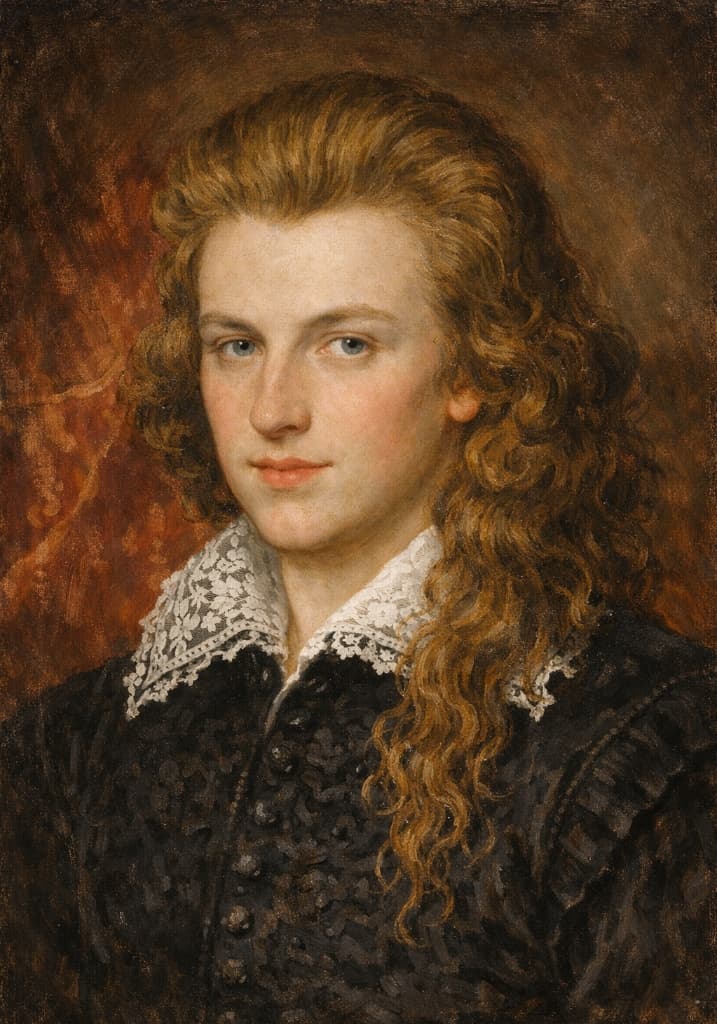
AI-assisted Portrait of Henry Wriothesley
The Fair Youth
Born in 1573, Henry Wriothesley, 3rd Earl of Southampton, occupies a singular place in literary history — not for what he created, but for what he awakened. He is the most widely accepted real-life inspiration behind William Shakespeare's “Fair Youth,” the unnamed figure to whom many of the poet's most intimate, urgent, and emotionally charged sonnets are addressed.
Unlike kings or generals, Southampton's legacy is not rooted in conquest or governance. It rests instead on presence: youth, beauty, charisma, emotional vitality, and the ability to draw devotion without demanding it. Shakespeare dedicated his early narrative poems directly to him, signaling not merely patronage, but admiration — expressed in a register far more personal than professional obligation alone would require.
That's the ENFP signature: ENFPs are not defined by enthusiasm alone — they are catalysts. Southampton did not shape Shakespeare's work through discipline or instruction. He shaped it by being.
The Spark Without Permanence
Henry's defining energy was extraverted intuition — a quality felt more than recorded.
In Shakespeare's sonnets, the Fair Youth is not described as stable or fixed, but as luminous, fleeting, and constantly at risk of change. Time presses against him. Beauty is impermanent. Possibility must be seized before it vanishes.
This is classic Ne presence: inspiring obsession without offering permanence, embodying potential rather than conclusion, and evoking urgency simply by existing. Henry did not anchor Shakespeare. He provoked him.
Private Loyalty
Southampton's loyalty and emotional sincerity are visible in his real-world actions. He remained devoted to Shakespeare even during politically dangerous periods. When Southampton was imprisoned following the Essex Rebellion, Shakespeare's fortunes were also at risk — yet there is no evidence of disavowal or retreat.
This suggests a personal bond rooted not in convenience, but in private value alignment. Fi here is not performative. It is selective, internal, and deeply personal.
Action When Moved
Though remembered primarily as a muse, Henry was not without agency. He provided material support, enabled artistic freedom, and used his position strategically — even recklessly at times. This tertiary Te manifests as situational effectiveness: not long-term planning, but decisive action when emotionally motivated.
Shakespeare — The INxJ–ENxP Muse Pairing
The Shakespeare–Southampton dynamic fits a recurring historical pattern:
- Shakespeare (INFJ) ↔ Southampton (ENFP)
- Michelangelo (INTJ) ↔ Tommaso dei Cavalieri (ENFP)
- Leonardo da Vinci (INTJ) ↔ Salai (ENFP)
In each case, the INxJ supplies vision, structure, and endurance, while the ENxP supplies vitality, beauty, disruption, and emotional ignition. The muse does not create the work. They unlock it. ENFP muses are not remembered for what they built, but for what they made inevitable.
Connected Figures
Further Reading
- Shakespeare's Sonnets — Katherine Duncan-Jones (ed., Arden Shakespeare, 1997)The standard scholarly edition; the introduction and notes extensively discuss Southampton as the most probable Fair Youth.
- The Lodger: Shakespeare on Silver Street — Charles Nicholl (2007)Places Shakespeare in his London milieu and traces his relationships with patrons including Southampton.
- Will in the World: How Shakespeare Became Shakespeare — Stephen Greenblatt (2004)A biographical narrative that explores the Southampton patronage, the dedication poems, and the sonnets in depth.
- Southampton: Shakespeare's Patron — G. P. V. Akrigg (1968)The dedicated full-length biography of Henry Wriothesley, covering his life from court favourite to Essex conspirator.
