 Historical Figure MBTI
#865 · 6-21-26 · The American Civil War
John F. Reynolds
Union General · Fell at Gettysburg
1820 — 1863
2 min read
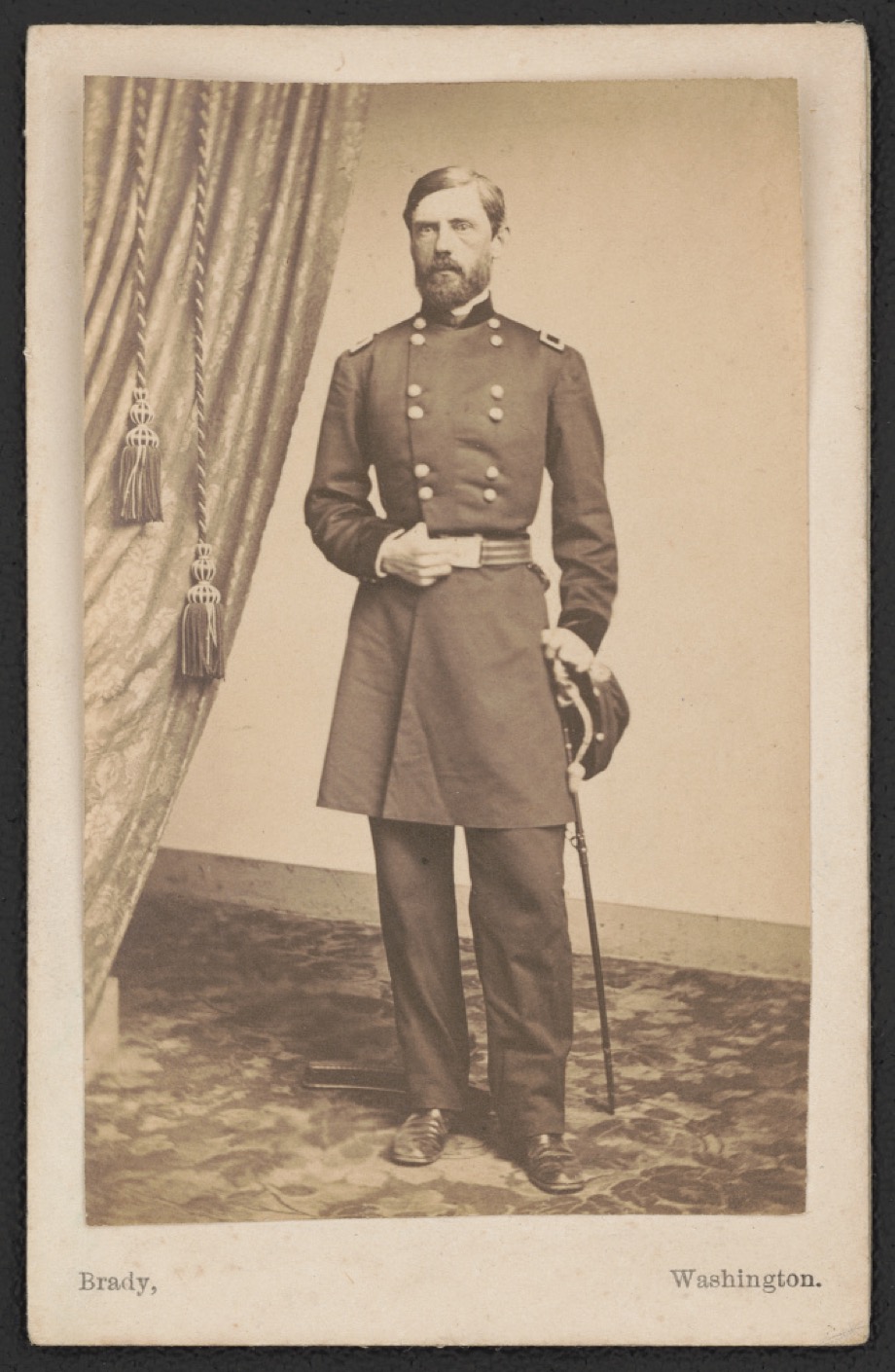
Photographic Portrait of John F. Reynolds
The General Who Said No
By the summer of 1863, John F. Reynolds was, by informal consensus of the Army of the Potomac's own officers, one of the best soldiers wearing Union blue. He was steady where others panicked, competent where others postured, and trusted by men who trusted almost no one else in that army's exhausted, scandal-worn high command. When Washington quietly floated giving him command of the whole army before Gettysburg, Reynolds turned it down. He did not want the politics that came with the top job — the interference from the capital, the visibility, the distance from the men actually fighting. He wanted his corps, and he wanted to be where the shooting was.
That preference is the whole man in miniature, and it is also what an ISFJ looks like under fire: a quiet, exacting competence that would rather do the job well up close than run the show from a distance.
Reynolds didn't want the army. He wanted his corps, his ground, and his men — and that ISFJ preference for close, dutiful command is what put him at the front of the line on July 1, 1863.
The First Morning
On the morning of July 1, John Buford's cavalry was already dismounted and fighting west of Gettysburg, buying time on ridgelines it could not hold alone. Reynolds arrived with his infantry corps and did not linger behind the lines to manage the battle from a map. He rode forward personally, into the field, to see the ground and place his troops himself — the same hands-on instinct that had made him beloved by his men and unremarkable to the newspapers. He was shot and killed almost immediately, one of the war's most respected officers gone in the battle's opening hour, before anyone yet knew what kind of battle it would become.
His death rattled the army. But his last decision — committing his corps to the ridges Buford had identified — helped anchor the ground that George Meade's army would hold for two more days and ultimately win on. It was a dutiful, unglamorous contribution, made by a man who was already gone before its consequences played out, and it is difficult to imagine a more fitting last act for an officer who had just refused command of an entire army rather than trade nearness to his men for distance and authority.
Connected Figures
Further Reading
- Gettysburg — Stephen W. SearsThe definitive single-volume account of the battle, including Reynolds's death on the first day.
- John Buford: A Military Biography — Edward G. LongacreDetailed context on the first day's fighting and the cavalry-infantry handoff Reynolds rode into.
- Battle Cry of Freedom: The Civil War Era — James M. McPhersonThe standard one-volume history of the war, situating Gettysburg within the wider conflict.
