 Historical Figure MBTI
#869 · 6-22-26 · The American Civil War
John Sherman
Senator · Financier · The General's Brother
1823 — 1900
6 min read
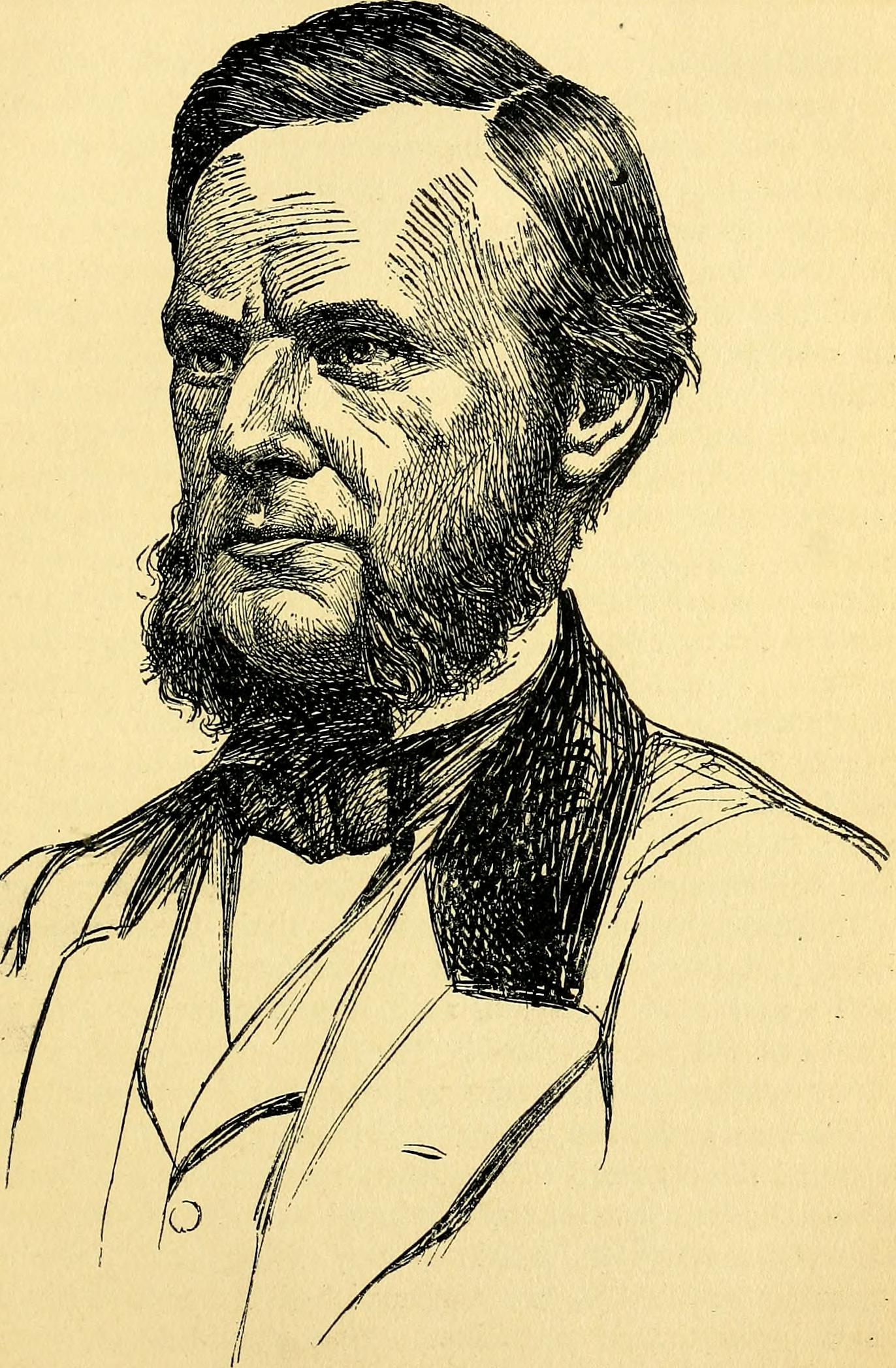
Portrait of John Sherman
The Brother Who Stayed at the Desk
Washington in the early 1860s ran on two currencies: the Union's paper greenbacks, and the political credit of men willing to sit on committees no one applauded. John Sherman traded in the second so the first would hold its value. While his older brother William, three years his senior, burned a corridor through Georgia and became a household name, John sat in the Senate Finance Committee room drafting a national banking system, funding bond issues, and keeping the Treasury solvent enough to pay for the war his brother was fighting. He was, by nearly every account, exactly what he appeared to be: careful, precise, allergic to improvisation, and almost never wrong about a ledger.
That combination — precision without theater — marks him as an ISTJ. Where his brother trusted instinct and audacity, John trusted precedent, procedure, and the slow accumulation of institutional fact. He did not invent the National Banking Act out of inspiration; he built it out of what already existed and worked, reshaped into something the war required. That is the signature of a mind organized around lived, verified experience rather than possibility — and it explains why John Sherman, not William, became the man Congress trusted with the currency itself.
John Sherman was ISTJ to the bone — a dominant Si that trusted the tested mechanism over the bold gesture, and built the Union's financial backbone one verified clause at a time.
The Weight of What Already Works
Sherman's dominant Si shows most plainly in how he solved the Union's money problem. The Confederacy printed currency with little backing and watched it collapse into worthlessness; the Union, under pressure to do the same, instead got the National Banking Act of 1863 — Sherman's chief legislative achievement of the war — which tied new bank-issued notes to government bonds held in reserve. It was not a clever invention so much as a disciplined synthesis: state banking precedent, the Treasury's bond needs, and a determination that money should rest on something verifiable. Si does not chase the untried; it interrogates what has already been tested and asks how to make it hold under new strain.
He carried that same instinct into his own political conduct. Sherman kept meticulous records, referred constantly to precedent in floor debate, and — as his later memoir Recollections of Forty Years makes clear — regarded institutional memory as a kind of moral obligation. He distrusted men who governed by improvisation, a category that, not incidentally, included his own brother for most of their early correspondence. Where Fi- or Ne-led reformers wanted to remake the financial system from first principles, Sherman wanted to know what had failed before, and why, before he would touch a clause.
Legislation as Load-Bearing Structure
Auxiliary Te gave Sherman's caution its instrument. He did not merely respect what worked; he was relentlessly effective at making it work at scale, through committee votes, coalition arithmetic, and the unglamorous machinery of getting a bill through both chambers intact. Financing a war is an exercise in organizing external systems — banks, bond markets, tax revenue, currency supply — into a structure that does not buckle, and Sherman treated that as engineering, not rhetoric. He measured success in bonds sold and reserves held, not speeches applauded.
It is worth noting how little this resembled his brother's theater of command. William moved armies by will and audacity; John moved legislation by procedure and an almost bureaucratic appetite for detail — reading Treasury reports line by line, cross-examining bank charters, tracking specie reserves the way a quartermaster tracks rations. Historians of Civil War finance, Allan Nevins among them, have credited this unglamorous persistence with keeping Union credit intact through years when a single failed bond auction might have ended the war differently. Te asks what needs to be built correctly; Sherman spent four years building the Union's solvency, clause by clause.
Loyalty Without a Microphone
The tertiary function is where the brothers actually meet. John and William Sherman were, temperamentally, near opposites — one restless and expressive, the other guarded and procedural — yet their wartime letters show a steadiness of loyalty that survived years of disagreement over strategy, politics, and public reputation. John used his Washington position to defend William against political attacks when the general's judgment came under fire, and did so quietly, through private correspondence and behind-the-scenes maneuvering rather than public declarations of brotherly devotion.
That is Fi operating under an Si-Te stack: a private, durable value — family loyalty — held with total consistency but almost no external display. Sherman was not a man who narrated his affections; he simply kept spending political capital on his brother's behalf, year after year, whether or not anyone was watching. It is the same quiet constancy that marked his marriage and friendships — unspectacular, unwavering, and largely invisible in the record until the letters themselves surfaced.
Why ISTJ Over ESTJ
Why not ESTJ?
An ESTJ senator would have sought visible command of the chamber — assertive persuasion, public leadership, the kind of extraverted force his brother wielded on the battlefield. Sherman built power the opposite way: through committee work, financial technicalities, and incremental legislative construction that most of Washington never watched closely. His authority was procedural rather than performative, rooted in an Si-anchored patience with institutions rather than an urge to direct people in real time. He persuaded through precedent and detail, not command presence — the mark of introverted, not extraverted, judgment leading the way.
The distinction matters because Sherman is so easily flattened into "the political brother" — competent, ambitious, unremarkable next to William's fame. But the record argues for something more specific: a man whose entire method of exercising power ran counter to command presence, built instead on the dominant Si habit of testing everything against what had already proven sound.
Connected Figures
Further Reading
- Recollections of Forty Years in the House, Senate and Cabinet — John ShermanSherman's own 1895 memoir, the primary source for his account of the National Banking Act and wartime finance.
- Ordeal of the Union — Allan NevinsPlaces Sherman's banking legislation in the broader financial and political context of the war.
- The Greatest Nation of the Earth: Republican Economic Policies during the Civil War — Heather Cox RichardsonAnalyzes the wartime Republican economic program Sherman helped architect.
- Sovereignty and an Empty Purse: Banks and Politics in the Civil War — Bray HammondA detailed study of the National Banking Act's mechanics and Sherman's role in shaping it.
