 Historical Figure MBTI
#608 · 5-6-26 · The Reformation
Katharina von Bora
Runaway Nun · Wife of Luther · The Morning Star of Wittenberg
1499 — 1552
6 min read
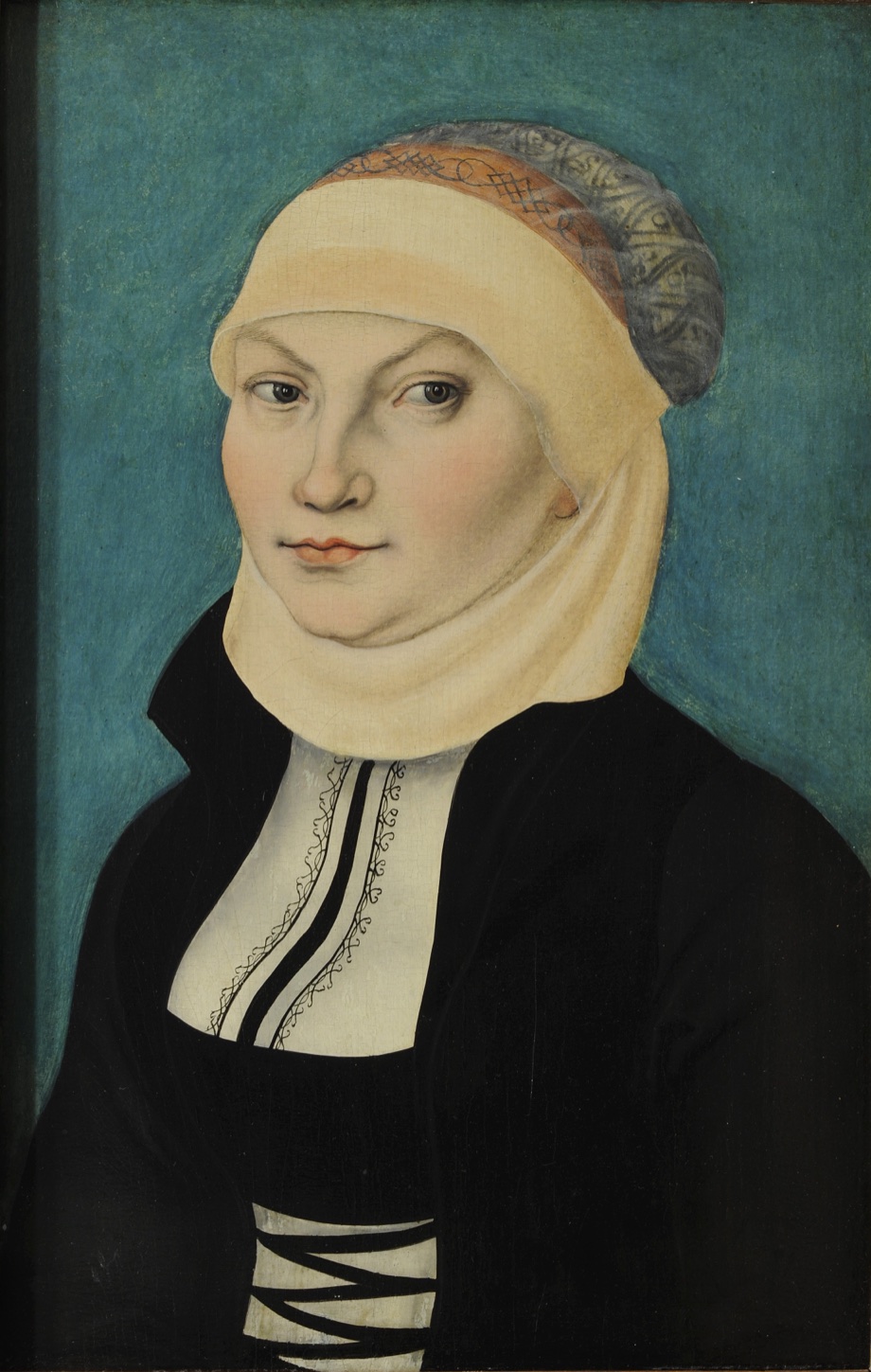
Portrait of Katharina von Bora
The Woman Who Ran the Reformation's Household
She escaped a convent in a herring barrel and ended up running the most famous household in Germany. When Katharina von Bora slipped out of the cloister at Nimbschen in 1523 — smuggled away, by tradition, among the empty fish barrels of a sympathetic merchant, with a dozen fellow nuns won over to the new Reformation ideas — she was a runaway with no dowry and no obvious future. Within two years she had married Martin Luther, who had found homes and husbands for the other escapees and, when she refused lesser suitors, ended up wedding her himself in 1525 — to the scandal and delight of Europe. Within a decade she had turned the crumbling monastery he lived in into a farm, a brewery, a boarding house, and the beating administrative heart of the Reformation.
Luther was the theologian; Katharina was the manager. He wrote the tracts that split Christendom and gave money away by the fistful to any student or beggar who asked; she kept the accounts, drove the servants, brewed the beer, and made sure the household that hosted Europe's most watched marriage did not collapse into debt. He called her “my lord Katie” — half a joke, wholly accurate — and, most unusually for the age, made her his sole heir over any male guardian. This is the ESTJ as chief executive of a home.
That is the ESTJ signature: Te running the practical world — farm, brewery, ledger, staff — that her brilliant, money-hopeless husband could not, braced by Si's tireless order, thrift, and duty. Katharina von Bora was the executive of the Reformation's most famous house.
The Chief Executive of the Black Cloister
Te — dominant
Dominant Te organizes the outer world toward results, and Katharina's world was a sprawling operation that would have defeated most people. The former Augustinian monastery — the “Black Cloister” the Elector gave the Luthers — was a vast, decaying, half-empty building; she turned it into an enterprise. She ran a working farm with fields, orchards, cattle, and fishponds; she set up a brewery and brewed the beer Luther praised in his letters; she took in student boarders and paying guests, managed servants, drove hard bargains, and even acquired a farm at Zöllsdorf and ran it at a distance. It was command not of an army or a state but of a complex going concern, executed daily and without pause.
The financial command is the clearest Te signature, because it filled a vacuum her husband created. Luther was, by his own cheerful admission, hopeless with money — he refused payment for his writings and handed coins and cups to anyone in need. Katharina was the counterweight: she kept the ledgers, restrained his giving, and stretched an unreliable income across a household that at times fed dozens, orphans and refugees among them. And that household was public — the Black Cloister was where the famous “Table Talk” happened, students transcribing Luther's dinner-table pronouncements. Katharina presided over that table as hostess and sometimes sparring partner, running a home that doubled as seminary, inn, and stage.
Thrift, Industry, and the Long Day's Work
Si — auxiliary
If Te was the command, auxiliary Si was the engine — the tireless, orderly, dutiful industry that made the command possible. Katharina rose before dawn; Luther himself remarked on the sheer volume of physical work she carried. Later biographers made her the model of the Reformation's diligent Christian housewife, but the diligence was hers before it was anyone's ideal: she did not merely supervise the brewing and the farming and the nursing of the sick, she did much of it herself, year after year, in a body of work measured in decades.
Si is also thrift and the horror of waste, and Katharina had both. Against Luther's open-handed improvidence she set a discipline of saving and provision against the lean season, refusing to let the household live hand to mouth on a genius's whims. Her care extended to the sickroom: she nursed through the plague outbreaks that emptied Wittenberg, keeping the house running when others fled. Duty, for the Si type, is not a slogan but a daily practice, and hers ran to the very end.
The Grief Beneath the Ledger
Fi — inferior
Inferior Fi is the ESTJ's private interior, usually subordinated to the work — and in Katharina it surfaces less as sentiment than as fierce, unspoken attachment. She loved Luther plainly and grieved him hard. After his death in 1546 she wrote that she could no more speak her sorrow than take her own life, that she felt as if she had lost the whole world. The woman who had bossed the great reformer for twenty years — “my lord Katie” — was undone when he was gone. The interior she so rarely displayed broke into view at the loss of the one person around whom she had built her formidable life.
Why ESTJ Over ISTJ
Why not ISTJ?
The ISTJ shares Katharina's thrift, order, and iron sense of duty, and on paper the quiet, dutiful bookkeeper fits. But the ISTJ works best as a reliable functionary inside someone else's structure, keeping the background steady. Katharina did the opposite. She built the structure and ran it out loud — commanding servants, driving bargains, presiding over a public table of scholars, and bossing the most famous man in Germany so openly he nicknamed her “my lord.” That is extraverted Te authority, not the introverted diligence of Si laboring quietly alone.
The distinction is between keeping the books and running the enterprise. Katharina kept the books — but she also decided what they would say, directing people far more celebrated than herself and turning a ruined monastery into a thriving business. The dutiful Si is real in her, but it serves an executive Te that always faced outward. She managed; she did not merely maintain.
Connected Figures
Further Reading
- The Mother of the Reformation: The Amazing Life and Story of Katharine Luther — Ernst KrokerThe classic biography, translated from the German — the fullest account of Katharina's household management, finances, and marriage.
- Katharina and Martin Luther: The Radical Marriage of a Runaway Nun and a Renegade Monk — Michelle DeRushaA readable modern life that centers the partnership and the scandal of the marriage itself.
- Here I Stand: A Life of Martin Luther — Roland H. BaintonThe standard popular Luther biography; its portrait of the Wittenberg household is vivid on Katharina's role in it.
