 Historical Figure MBTI
#841 · 6-17-26 · The American Civil War
Turner Ashby
Confederate Cavalry Commander · The Black Knight
1828 — 1862
3 min read
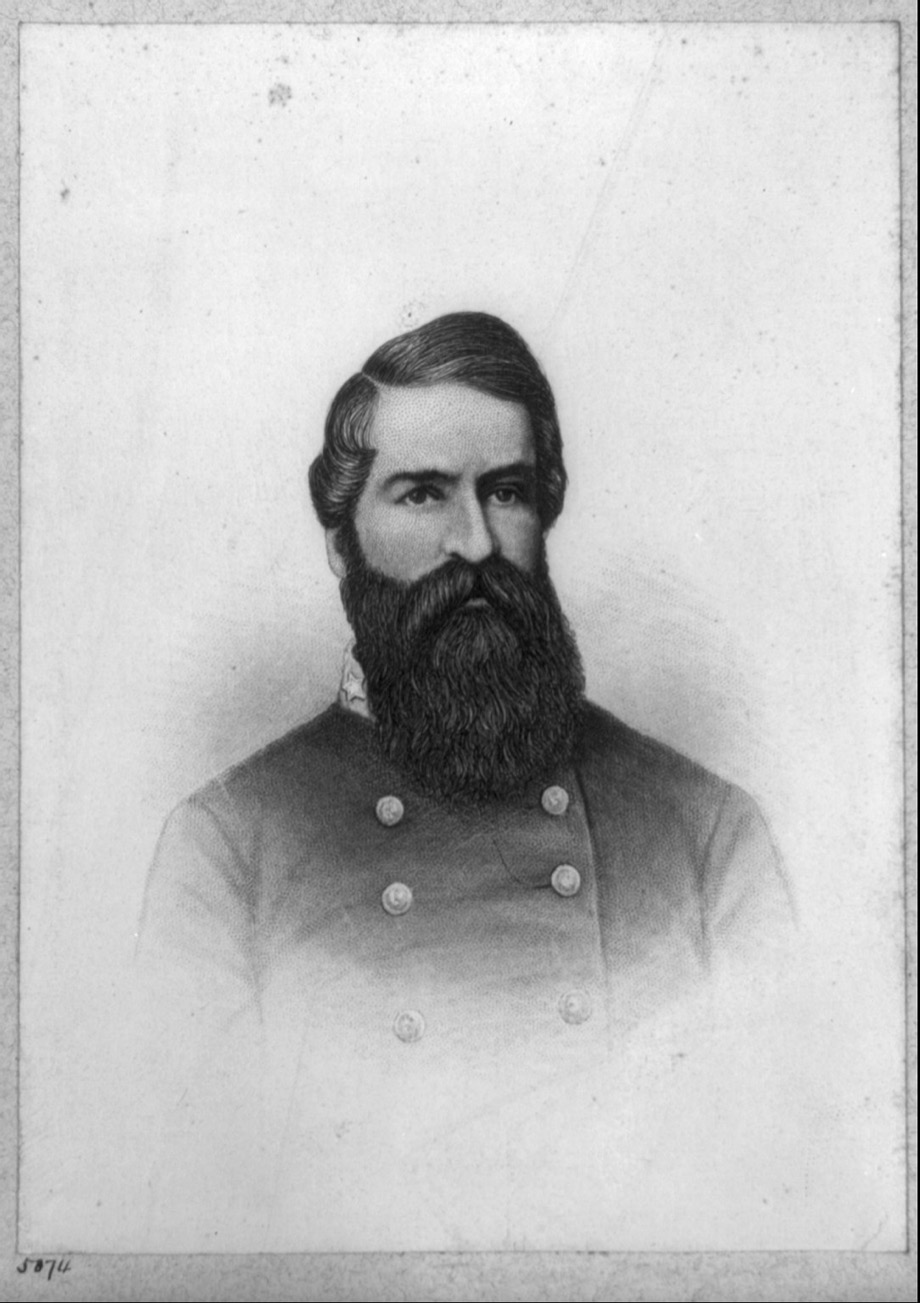
Photograph of Turner Ashby, c. 1860s
The Black Knight
Before the war ever came to Virginia, Turner Ashby was already a local legend — the finest horseman in the Shenandoah Valley, a planter who spent more of his waking hours in the saddle than behind a ledger. He was tall, dark-bearded, and famous for jumping fences other riders wouldn't attempt. When secession arrived, he did not need to be persuaded into command so much as into a uniform; the men who followed him into Confederate cavalry service were often the same neighbors who had already watched him ride.
That reputation became a strategic asset in the spring of 1862, when Stonewall Jackson turned Ashby's cavalry loose as the screen for the Shenandoah Valley Campaign — the raids, feints, and rearguard skirmishes that helped a force a fraction the size of its Union pursuers seem to be everywhere at once. Ashby was a genius at that kind of theater. He was never a genius, and never much interested in being one, at running an organized command.
Ashby was an ESTP in the purest sense the war produced — a man who thought with his body, led with his nerve, and never once mistook a ledger for a battle plan.
A Cavalry of Admirers
Ashby's dominant sensory instinct — the ability to read ground, distance, and danger in an instant and act before anyone else had finished thinking about it — made him the ideal instrument for Jackson's deception campaign. He harassed Union outposts, screened Confederate movements, and turned rearguard actions into personal duels with pursuing cavalry, often riding out alone or nearly so on his white horse to draw fire and buy time. It was courage of a specific, physical, improvisational kind: he did not plan these moments so much as feel his way into them and trust his instincts to get him out.
What he could not do — and never much tried to do — was turn that talent into a disciplined regiment. His cavalry swelled with volunteers who wanted to ride with Ashby rather than serve under him, and it showed: men came and went as they pleased, drill was an afterthought, and reports reached Jackson of scattered, undisciplined companies more loyal to Ashby's legend than to any order of battle. Jackson, a man for whom procedure was almost a form of devotion, tried to reorganize the command over Ashby's objections — one of the only real frictions in an otherwise admiring partnership, and a case study in how differently the two men were built.
Connected Figures
Further Reading
- Blood Image: Turner Ashby in the Civil War and the Southern Mind — Paul Christopher AndersonThe definitive biography, tracing how Ashby's wartime legend was built almost in real time.
- Stonewall Jackson: The Man, the Soldier, the Legend — James I. Robertson Jr.Covers the friction between Jackson's discipline and Ashby's freewheeling command style.
- Conquering the Valley: Stonewall Jackson at Port Republic — Robert K. KrickDetailed tactical account of the campaign's closing days, including Ashby's final actions.
