 Historical Figure MBTI
#743 · 6-3-26 · The Portuguese Indian Ocean
Vicente Sodré
Captain of the Indian Ocean Patrol
c. 1465 — 1503
3 min read
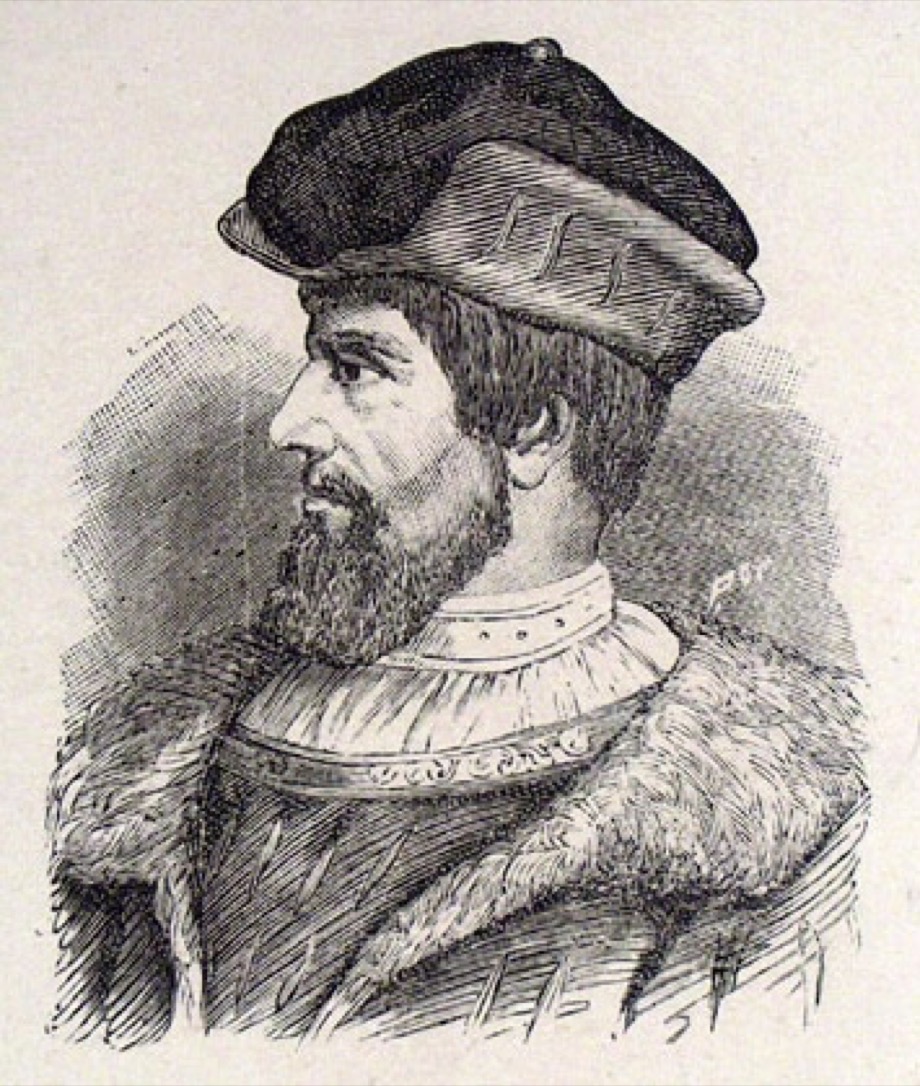
Portrait of Vicente Sodré
The Uncle Who Sailed for Aden
Vicente Sodré held command in the Indian Ocean for one reason: he was Vasco da Gama's maternal uncle. When Gama's second armada turned for home in early 1503, he left Sodré behind with five ships and orders that could not have been plainer — hold the Malabar coast, patrol against the Zamorin of Calicut's fleets, and above all guard Cochin, the one Indian ruler who had allied with Portugal and the only foothold the crown possessed on the subcontinent. It was a standing post, unglamorous and essential.
Sodré did not hold it. Within weeks he and his brother Brás had taken the squadron north to the Gulf of Aden, hunting Arab merchant shipping for prizes — richer, closer at hand, and answerable to no one. Cochin sat undefended. The Zamorin attacked almost immediately, and the Portuguese position there survived only because Duarte Pacheco Pereira, with a handful of men, held the line in 1504 against odds some chroniclers put at twenty to one. That siege was the direct bill for Sodré's absence.
He did not live to answer for it. In May 1503 the squadron lay anchored off the Khuriya Muriya islands when local fishermen warned that the seasonal khareef storm was coming and urged them to shelter. Sodré dismissed the warning. Two captains who ignored him and moved anyway survived; Sodré's ship and his brother's did not. He drowned with the season he had refused to respect.
Vicente Sodré was an ESTP in the purest, least forgiving sense: a man who read the ocean in front of him and nothing past it.
Psychological Verdict
Everything about Sodré points to dominant Se running with no governor above it. He was genuinely useful in the register that function rewards — decisive under fire, comfortable with risk, quick to act on what was directly in front of him — which is exactly why Gama trusted him with independent command in the first place. But a standing order to guard a position that might never be tested was, to a man built this way, barely an order at all; it produced no target, no engagement, no prize. The Gulf of Aden did. He went where the function pulled him and treated Cochin's safety as an abstraction he could return to later. It should be said plainly that Portuguese captains of this era were paid partly in plunder shares, and the crown itself blurred the line between royal mission and private profit. Sodré's failure was not that he wanted a prize — everyone did — but that he could never subordinate one to a position that actually mattered, and could not hear a warning, from fishermen or from his own orders, once a prize was in view.
Connected Figures
Further Reading
- A Portuguese East Indiaman from the 1502–1503 Fleet of Vasco da Gama off Al Hallaniyah Island, Oman — David L. Mearns, David Parham & Bruno Frohlich, International Journal of Nautical Archaeology 45.2 (2016)The excavation report identifying the wreck as Sodré's ship, the Esmeralda.
- The Career and Legend of Vasco da Gama — Sanjay SubrahmanyamPlaces Sodré's command and its collapse within Gama's own story.
- Conquerors: How Portugal Forged the First Global Empire — Roger CrowleyA readable narrative of the Malabar campaigns and the Cochin crisis.
- Lendas da Índia — Gaspar CorreiaThe principal 16th-century chronicle source — written decades later and unreliable in its details, but the origin of most of the story.
