 Historical Figure MBTI
#1040 · 8-3-26 · The Old Kingdom
Weni
The Career Bureaucrat
fl. c. 2300 BCE
3 min read
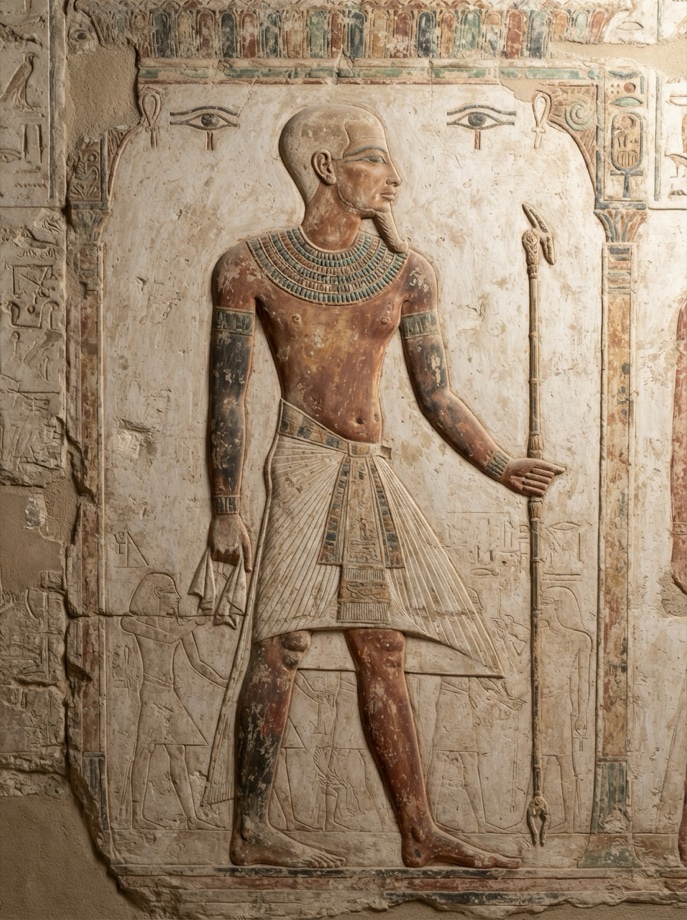
AI-assisted Portrait of Weni
A Resume Carved in Stone
Weni started small — a minor post in the royal palace under one pharaoh — and simply kept climbing, one carefully documented promotion at a time, across the reigns of three more kings. He judged court cases in secret, led military campaigns against Bedouin raiders in the Sinai, and finished his career as governor of all of Upper Egypt, a jurisdiction no one of his origins had ever held before.
What sets Weni apart is not any single achievement but the record he left of getting there. His tomb autobiography reads less like a boast and more like a ledger — each new title dated, each new trust explained, each step earned in visible sequence. It is one of the clearest surviving windows onto how an Old Kingdom career was actually built.
Weni didn’t need a single triumph. He needed forty years of being the man each king could trust with the next thing.
Si — A Career Kept in Order
Weni’s inscription is organized with a precision that borders on obsessive — titles listed in the order received, each responsibility framed against the one before it. That instinct to track and preserve a personal record, rather than simply claim status, is Si doing what it does best: building a stable, documented self out of accumulated experience.
Te — Getting the Job Done, Whatever It Was
From judging a scandal inside the royal harem to organizing a multi-front campaign against Sinai raiders, Weni’s pattern is consistent: given an unfamiliar task, he executes it efficiently and reports the result. That comfort with external authority and outcome, wherever it’s pointed, is auxiliary Te — the engine behind a career built on being reliably useful.
Fi — A Private Sense of Earned Trust
Weni notes, almost in passing, that the king trusted him with matters too sensitive for the vizier himself to hear — and he clearly values that trust as a personal, not just political, honor. It is a small window into an interior sense of worth measured by loyalty quietly kept, rather than by rank alone.
Ne — inferior
Nowhere does Weni speculate about alternatives — a different route he might have carved, a policy he might have reimagined. His autobiography is a chronicle of tasks completed, not possibilities entertained, which is exactly what a well-developed Si/Te stack paired with an underused Ne would produce.
Why ISTJ Over ESTJ
Why not ESTJ?
Weni never presents himself as a commander shaping others’ work — he presents himself as someone entrusted, task by task, by higher authority. The autobiography is retrospective and procedural rather than assertive, the record-keeping instinct of an ISTJ documenting a career built through others’ confidence, not an ESTJ’s account of imposing order on his own terms.
ISTJ fits Weni because the whole document is an act of quiet accumulation — trust built, then trust extended further, recorded with a bureaucrat’s exactness rather than a commander’s flourish.
Connected Figures
Further Reading
- Ancient Records of Egypt — James Henry BreastedIncludes a full translation of Weni's tomb autobiography.
- The Rise and Fall of Ancient Egypt — Toby WilkinsonPlaces Weni's career within Old Kingdom administrative history.
