 Historical Figure MBTI
Scientific Paris
~1859 – 1958
The Curies and their circle — radioactivity, two Nobel Prizes, and the scandals that ran alongside the science.
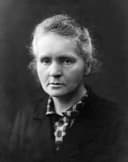
Marie Curie was the first woman to win a Nobel Prize — in Physics, in 1903, for the discovery of radioactivity. Eight years later she won a second one, in Chemistry. She remains the only person in history to win Nobel Prizes in two different sciences. She did this in a country that wouldn't let women vote, in a lab that was essentially a leaky shed, working with materials that were slowly killing her.
Her husband Pierre was her scientific equal and partner until a horse cart killed him in 1906. Her daughter Irène won her own Nobel in Chemistry. Her other daughter Ève became a writer and wrote the biography. Paul Langevin — a brilliant physicist and Marie's close friend — caused a national scandal when their relationship became public. The science and the human drama were inseparable here.
6 figures · sorted by birth year
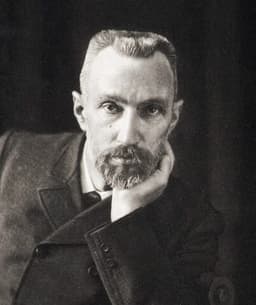
Pierre Curie
renownINFP · b. 1859
Marie Curie's husband and partner — killed by a horse cart at 46
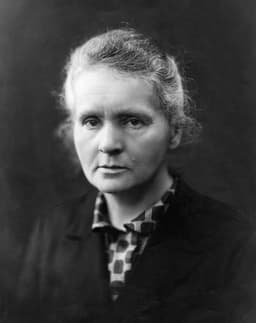
Marie Curie
iconicINTJ · b. 1867
Physicist, chemist, and architect of radioactivity.
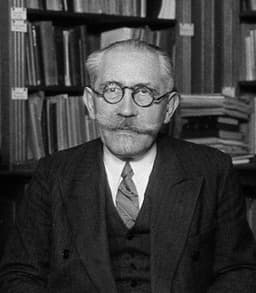
Paul Langevin
notableENFP · b. 1872
Marie Curie's love interest — their affair caused a national scandal in France
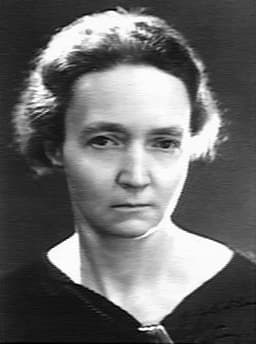
Irène Joliot-Curie
notableESTJ · b. 1897
Marie Curie's daughter — who won her own Nobel Prize in Chemistry
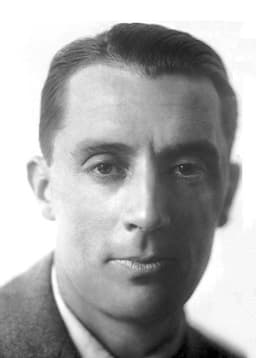
Frédéric Joliot-Curie
notableENFP · b. 1900
Irène Curie's husband — who took her name when they married
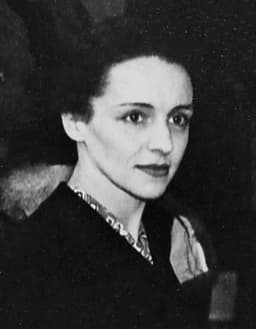
Ève Curie
notableINFJ · b. 1904
Marie Curie's younger daughter — the writer, not the scientist

Sign up for monthly insights
Monthly insights into history's most influential figures — examined through psychology, context, and cognitive pattern. Less stereotype, more structure. History, but with a mind map.
Powered by Buttondown