 Historical Figure MBTI
The Mauryan Empire
c. 322 – 185 BCE
India's first pan-subcontinental empire, built by a usurper's ambition and a strategist's cunning, and remade by a conqueror-turned-convert into an empire of dharma.
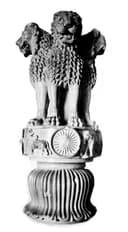
Out of Magadha's wreckage rose India's first pan-subcontinental empire, engineered by the ruthless strategist Chanakya on behalf of an ambitious young outsider, Chandragupta Maurya, who toppled the old dynasty and then met Alexander's heir Seleucus on the battlefield and came away with an empire stretching to the Hindu Kush — a treaty witnessed by the Greek envoy Megasthenes, whose account of the Mauryan court is the fullest outside description of ancient India that survives. Chandragupta's son Bindusara held the empire together and expanded it further south.
It was Bindusara's son Ashoka who transformed the dynasty's legacy entirely — a conqueror so horrified by the bloodshed of his own war against Kalinga that he renounced violence, embraced Buddhism, and carved edicts of tolerance and non-violence into pillars and rock faces across the subcontinent. Generations later, the philosopher Nagarjuna would give Ashoka's adopted faith its most rigorous philosophical foundation.
6 figures · sorted by birth year
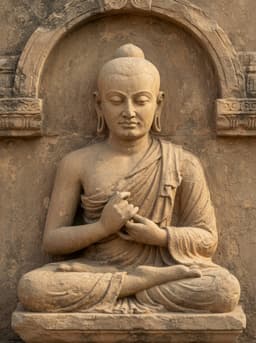
Nagarjuna
notableINTP
The philosopher whose logic of emptiness reshaped Buddhism for two thousand years.
Megasthenes
obscureISTJ
The Greek envoy whose account of Chandragupta's court is history's fullest window on ancient India.
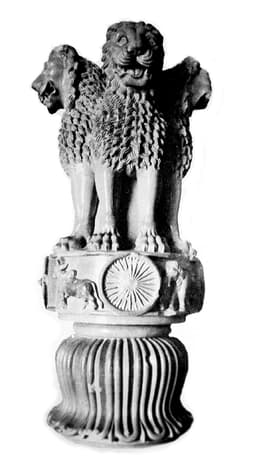
Ashoka
iconicENFJ
The conqueror so horrified by his own war that he renounced violence and ruled by dharma.
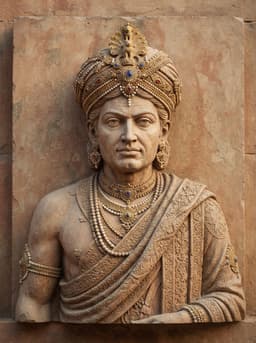
Bindusara
notableISTJ
The quiet emperor who held the Mauryan realm together between two legends.
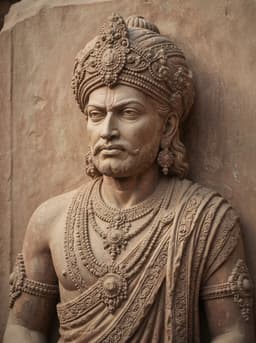
Chandragupta Maurya
renownENTJ
The outsider who toppled a dynasty and unified most of India for the first time.
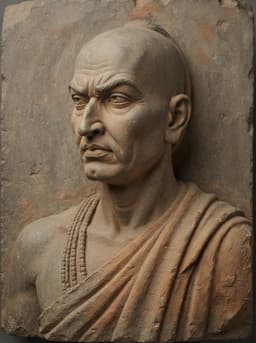
Chanakya
notableINTJ
The strategist who turned a personal insult into the fall of a dynasty.

Sign up for monthly insights
Monthly insights into history's most influential figures — examined through psychology, context, and cognitive pattern. Less stereotype, more structure. History, but with a mind map.
Powered by Buttondown