 Historical Figure MBTI
#1124 · 8-20-26 · The Mauryan Empire
Megasthenes
The Greek Envoy Who Described India
c. 350 – 290 BCE
4 min read
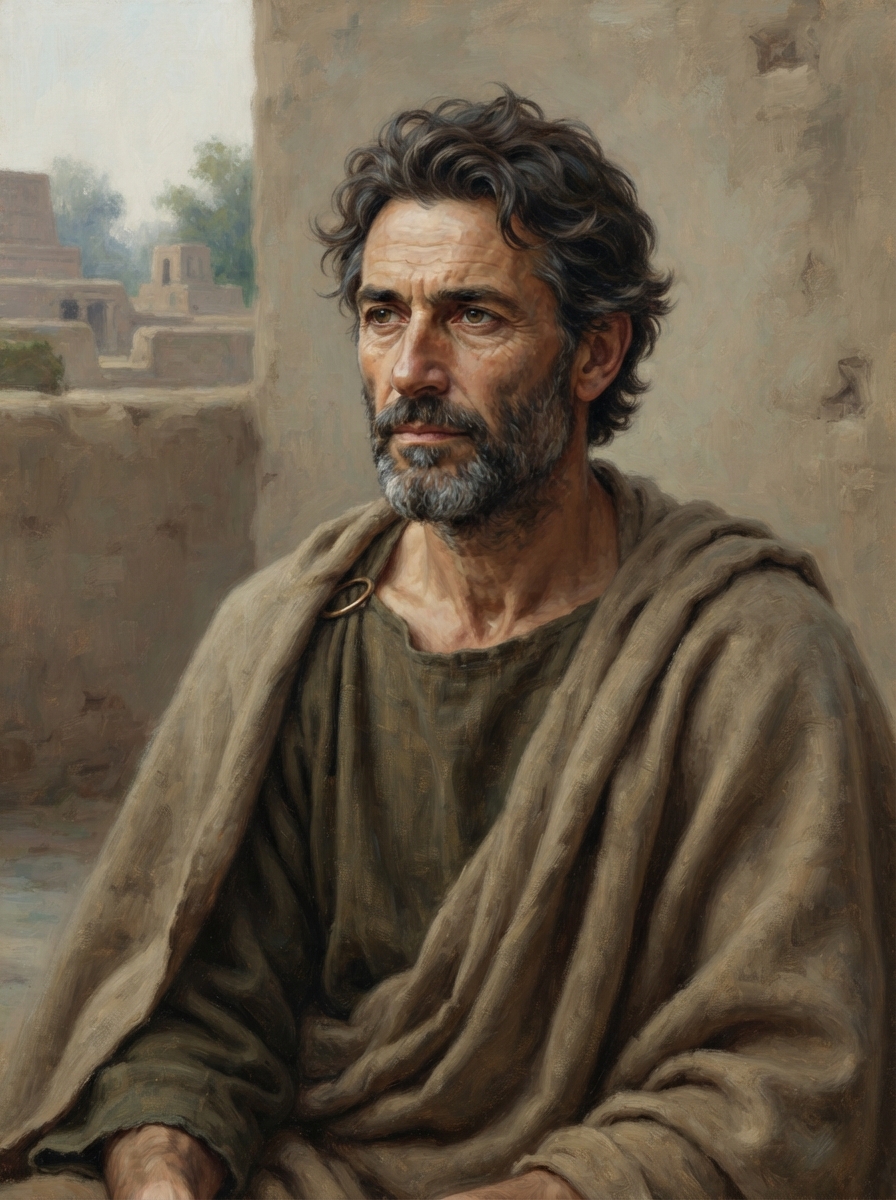
AI-assisted Portrait of Megasthenes
The Ambassador Who Took Notes
Sometime after Seleucus I Nicator and Chandragupta Maurya settled their war over the Indus frontier with a treaty — elephants traded south to north, territory conceded east to west, a marriage alliance sealed somewhere in the fine print — a Greek diplomat named Megasthenes was dispatched to live at the Mauryan court in Pataliputra. He would stay for years. What he did with that time was not diplomacy in any dramatic sense — no treaties renegotiated, no wars averted, no court intrigues survived. He watched, and he wrote down what he watched, with a thoroughness that has outlasted nearly everything else written about the Mauryan Empire by an outsider.
The result was the Indica — a systematic account of the geography, society, government, and customs of a civilization the Greek world barely knew existed. He described seven castes, the machinery of Pataliputra's municipal administration, the irrigation of the countryside, the habits of elephants and the discipline of the army, the absence of slavery he believed he observed among the Indians. The original is lost. What survives are fragments, quoted piecemeal by Strabo, Diodorus, and Arrian centuries later — quoted, tellingly, because later writers found him useful rather than entertaining. Some of his claims were wrong, some inflated by court informants he had no way to cross-check. But the underlying method — go, look, record, organize — was sound enough that his errors are still debated fragment by fragment, which is itself a kind of tribute.
Megasthenes left almost no trace of himself as a person — only the record he kept, and the record is the whole case for ISTJ.
Psychological Verdict
Nothing about Megasthenes survives except the work, and the work reads as ISTJ almost by definition. An envoy with a taste for the dramatic or the visionary would have written a memoir of his own reception, or a treatise on how India confirmed some Greek theory of the world. Megasthenes did neither. He organized the Indica by subject — castes, then administration, then agriculture, then flora and fauna, then customs — the structure of a man who trusted the accumulation of concrete, verifiable detail over any single unifying thesis. That is dominant introverted sensing: reality logged category by category, present fact checked against remembered fact, years spent in one place rather than restless travel toward the next spectacle. His auxiliary extraverted thinking shows in the sheer usability of the result — a reference document later writers could mine for centuries, organized for retrieval rather than for rhetorical effect. There is no flourish of introverted feeling seeking personal meaning in what he saw, and no extraverted intuition spinning his observations into speculative theory; where he does speculate — on the absence of slavery, on the Indians never having been conquered before Alexander — he does so cautiously and within the bounds of what he was told, not because he needed a grand narrative. A field report, not an adventure story: that is the whole personality on display.
Connected Figures
Further Reading
- Indica (fragments) — Megasthenes, collected in R.C. Majumdar's The Classical Accounts of IndiaThe surviving fragments themselves, gathered from later Greek and Roman quotation.
- Ancient India as Described by Megasthenes and Arrian — J.W. McCrindleThe standard English compilation and translation of the fragmentary Indica.
- Geography — StraboOne of the three principal ancient sources preserving direct quotation from the Indica.
- Indica — ArrianA later Greek account of India written under clear reliance on Megasthenes's original work.
