 Historical Figure MBTI
#618 · 5-8-26 · Sengoku Japan
Akechi Mitsuhide
General of Oda · The Betrayer of Honnō-ji · The Thirteen-Day Shōgun
c. 1528 — 1582
8 min read
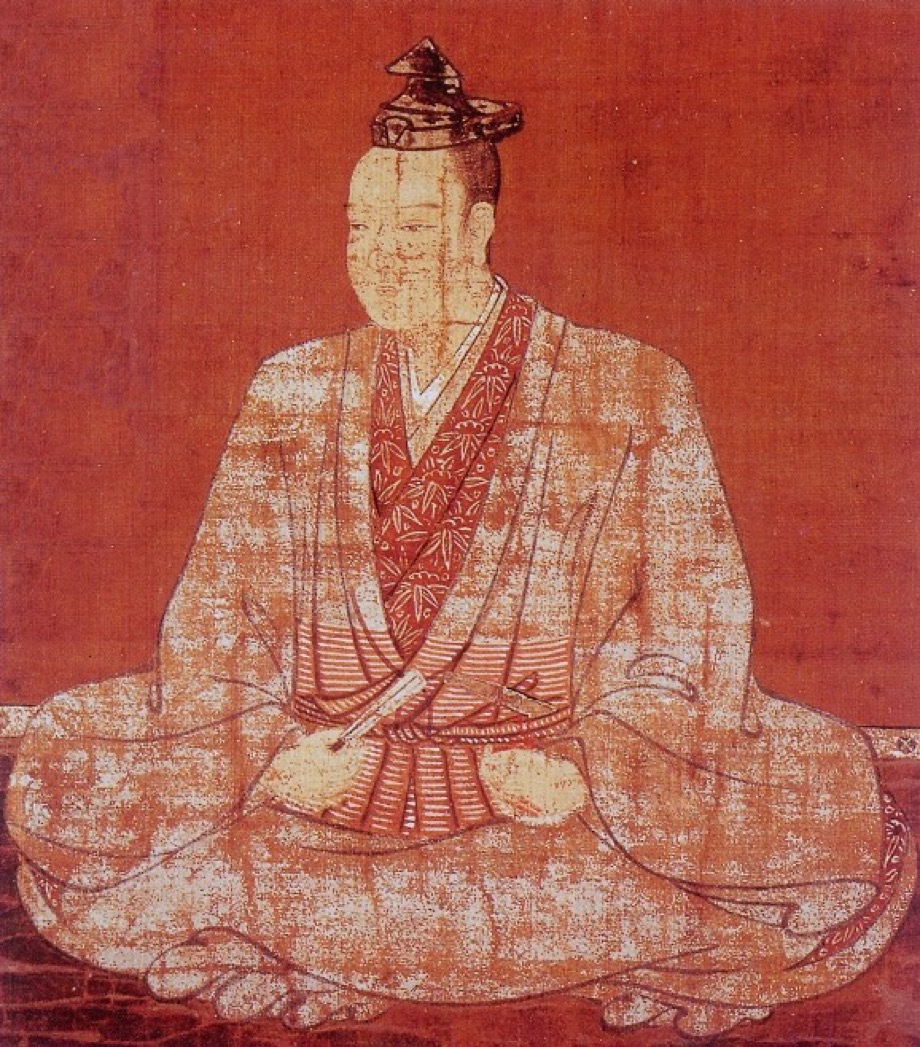
Portrait of Akechi Mitsuhide
The Poet Who Killed His Lord
He was the last man anyone expected. Among the generals of Oda Nobunaga — that terrifying warlord breaking Japan to his will one province at a time — Akechi Mitsuhide was the cultivated one: a scholar and administrator, a master of the tea ceremony, a poet whose verses survive, a man of manners in a company of butchers. He had served Nobunaga capably for years and been richly rewarded with lands and command — by every outward sign the most reliable of instruments. And then, in the summer of 1582, he turned that instrument on the hand that held it.
Ordered to march his army west to reinforce another of Nobunaga's captains, Toyotomi Hideyoshi, Mitsuhide instead wheeled his thirteen thousand men around and pointed them at Kyoto, where Nobunaga rested in the temple of Honnō-ji with only a handful of guards — the overlord of half of Japan, briefly and catastrophically exposed. Mitsuhide surrounded the temple, set it ablaze, and forced the great unifier to commit seppuku in the flames. It was the most famous betrayal in Japanese history, executed in perfect secrecy and sprung the instant the one moment of vulnerability appeared. Why he did it — grievance, fear, ambition, or a principled horror at his master's cruelties — has never been settled. It is the enduring mystery of the age.
Mitsuhide is the INTJ as history's most famous traitor: a cold Ni strategist who saw, in a single fleeting hour, the one opening a lifetime of caution had been waiting for — and a Te general with the competence to seize it in total silence and total control.
The One Hour That Would Never Come Again
Ni — dominant
Dominant Ni fixes on a single decisive future and waits, without flinching, for the precise conditions that make it possible. Nobunaga was almost never catchable: he moved with escorts, slept behind walls, kept his ablest men close. For a subordinate to strike him was, on any ordinary day, suicide. Mitsuhide had spent years inside that machine, watching how it protected itself — and understood, as the Ni mind does, that it would one day leave its master naked. In June 1582 it did: Nobunaga in Kyoto with a token guard, his best generals scattered on distant fronts, the capital wide open. He did not sound out allies or build a coalition. He read the single configuration, moved on his own private judgment, and told his officers the enemy was at Honnō-ji only when the columns had already turned — a plan held so entirely within one head that no leak could betray it.
The tragedy of the type is folded into the triumph. Ni sees one future so vividly it can go blind to the contingencies around it. Mitsuhide grasped the moment of the kill with perfect clarity and seems to have assumed the rest — the allegiance of the other lords, the consolidation of power — would follow of its own logic. It did not.
The Competent Instrument
Te — auxiliary
What made Mitsuhide dangerous was that the vision sat on top of real competence. Auxiliary Te is the executive arm of the INTJ — the ability to organize men, resources, and territory with unshowy efficiency. Nobunaga did not reward poets for their verses; he gave Mitsuhide command because Mitsuhide delivered. He administered the province of Tanba after subduing it, ran his domain with order, managed sieges, and handled the delicate diplomacy with the imperial court that a rougher captain would have botched. That competence is exactly what the coup required: to turn thirteen thousand men around, march on the capital, seal off a temple, and finish the deed before any rescue could form is not the work of an amateur. It was the Te machine doing precisely what it was built to do — only now aimed at its own maker.
But Te that has lost its wider footing is only tactics. Mitsuhide executed the strike flawlessly and then failed utterly at the political consolidation that had to follow — securing the loyalty of the other lords, holding the initiative, denying his enemies time. He spent his thirteen days trying to manufacture legitimacy and alliances he had never pre-arranged. Competence at the deed did not translate into command of the world it created.
The Unspoken Grievance
Fi — tertiary
Here is the mystery, and tertiary Fi is where the archive looks for its answer. The INTJ carries a private sense of value that rarely announces itself — an interior account of injury and principle kept beneath the competent surface, accumulating for years unread. The chronicles hand down a Nobunaga who humiliated Mitsuhide repeatedly: public rebukes, a blow struck before others, the confiscation of promised lands, the ever-present threat that this brilliant, expendable servant would one day be discarded like the rest. Whether every anecdote is true hardly matters; the pattern of a proud, cultivated man storing wounds under an obedient exterior is the recognizable shape of buried Fi.
What makes him the great enigma is precisely that he never explained himself in terms anyone could verify. Fi does not argue its case in public; it acts on a conviction it feels no need to justify. Some read him as a man of principle, sickened by his master's cruelties and moved to a kind of moral tyrannicide; others read pure resentment, or fear, or ambition wearing the mask of grievance. The sources permit all of these because the man kept his true reason where tertiary Fi keeps everything: inside, unshared, sealed. This most consequential act in Japanese history has no confession attached to it — he struck in silence and died before he could set down what had driven him, leaving four centuries of historians to argue over a heart he never opened.
Thirteen Days and a Peasant's Spear
Se — inferior
Inferior Se is the INTJ's blind side: the present moment, the fast-moving physical reality that refuses to conform to the plan. Mitsuhide had mastered the one decisive act and given almost no thought to the churning, contingent days that followed — days that became a matter of speed, terrain, and raw momentum, the very things the strategist's inward eye tends to miss. Hideyoshi supplied the Se that Mitsuhide lacked. When word of the coup reached him in the west, he did the unthinkable at unthinkable pace: hastily made peace with the enemy he had been fighting, then drove his army back toward Kyoto in a forced march that passed into legend. Mitsuhide, still scrambling to conjure alliances his Ni had assumed would materialize, had no time to set his ground. At Yamazaki, barely thirteen days after Honnō-ji, the faster, surer hand crushed him.
The end is inferior Se at its most brutally literal. Mitsuhide fled the field — vision collapsed, plan spent — and by tradition was run through in the dark by a peasant bandit with a bamboo spear, killed for scraps as he ran. The man who had reached, in a single cold stroke, for mastery of all Japan died anonymously in the mud, ambushed by the physical world he had never learned to command. History remembers him as the Thirteen-Day Shōgun: the traitor whose one flawless gamble bought thirteen days and then nothing at all.
Why INTJ Over ISTJ
Why not ISTJ?
The ISTJ case is seductive, because for most of his life Mitsuhide looked exactly like one: the loyal, orderly, dutiful administrator, the reliable servant who ran his province by the book. But the ISTJ is anchored by Si — precedent, duty, the weight of established obligation — and that is precisely what his defining act violated. His betrayal was not dutiful service; it was a single audacious, self-directed gamble, conceived in secret and sprung on his own private judgment against the deepest bond of loyalty his world recognized. That is Ni opportunism seizing one fleeting opening, driven by buried Fi grievance — not an Si-bound conscience obeying the rules.
The distinction is the whole story. An ISTJ in Mitsuhide's position endures — absorbs the humiliations as the cost of service, keeps his oath, dies a respected retainer, because duty is his ground and breaking it is unthinkable. Mitsuhide did the unthinkable: he looked past everything precedent demanded of him, fixed on a future only he could see, and struck for it in one irreversible motion. That is also why he remains a mystery an ISTJ never would — the dutiful man's motives are legible because they are the rules, and Mitsuhide's died sealed inside him.
Connected Figures
Further Reading
- Japonius Tyrannus: The Japanese Warlord Oda Nobunaga Reconsidered — Jeroen LamersThe most rigorous modern reassessment of Nobunaga — essential for understanding the master Mitsuhide served and the regime he brought down at Honnō-ji.
- The Samurai: A Military History — Stephen TurnbullThe standard English survey of samurai warfare; sets the coup and the Battle of Yamazaki within the wider military world of the Sengoku era.
- Sengoku Jidai — Danny ChaplinAn accessible narrative history of Japan's Warring States period, tracing the arc from Nobunaga through Hideyoshi in which Mitsuhide's betrayal is the hinge.
