 Historical Figure MBTI
#890 · 6-28-26 · The American Civil War
Blanche K. Bruce
Senator · First Black Senator to Serve a Full Term
1841 — 1898
5 min read
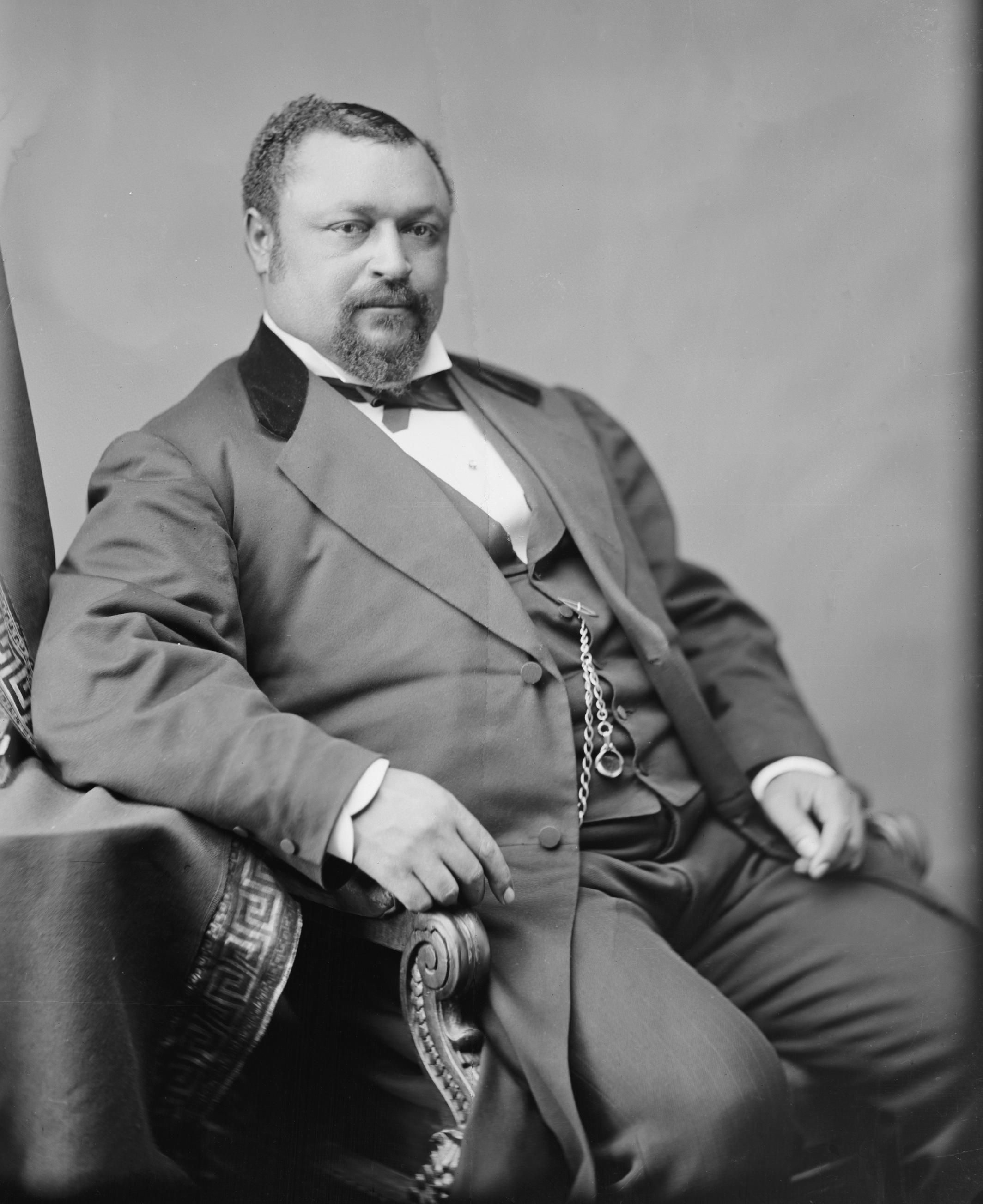
Portrait of Blanche K. Bruce
The Senator Who Built Instead of Burned
Blanche K. Bruce was born enslaved in Virginia in 1841, escaped during the war, and arrived in Reconstruction Mississippi with nothing but literacy he had scraped together for himself and a conviction that permanence, not spectacle, was the only foundation worth trusting. He did not arrive in the Senate; he built his way there — county sheriff, tax collector, levee-board commissioner, superintendent of education — each post a brick laid before the next was attempted. By the time Mississippi's legislature sent him to Washington in 1874, he had already spent a decade proving, county office by county office, that he could be trusted with other people's money and other people's records.
That patience was not caution for its own sake. Bruce used the Mississippi Delta's land boom to make himself independently wealthy, a deliberate hedge against the economic coercion that broke so many of his Black contemporaries in office. He was a ISTJ in the truest sense: a man who trusted what he had verified with his own hands over what any rhetoric promised, who built durable structures — financial, institutional, procedural — before he ever raised his voice on the Senate floor.
It is easy, in hindsight, to read Bruce against the louder abolitionist orators of his generation and find him wanting in fire. That misreads what he was doing. Bruce was not building a movement; he was building a position — one specific, occupied, well-defended position — from which the argument for Black citizenship could be made without depending on anyone's continued goodwill. It was a strategy suited exactly to a man for whom the tested and the verified always outweighed the merely inspired.
Bruce was an ISTJ who governed through Si — trusting the record, the ledger, and the slowly built institution over any appeal to momentum or charisma.
Brick by Brick
Dominant Si reads, in Bruce's career, as a refusal to skip steps. Where a more flamboyant Reconstruction politician might have leveraged a single dramatic appointment into national prominence, Bruce spent years accumulating the unglamorous credentials of local government — collecting taxes accurately, keeping levee-board books clean, running county elections without scandal. Each office was proof, filed away and referenced later, that he could be handed the next one. It was a career built the way a levee is built: incrementally, against a river that never stopped testing it.
That same instinct shaped his finances. Bruce did not simply hold a Senate seat; he bought Delta land, watched it appreciate, and used it to construct a fortune that made him one of the wealthiest Black Americans of his generation — not as an end in itself, but as insulation. Where economic pressure was the weapon most often turned against Black officeholders, Bruce had, methodically and years in advance, made himself very hard to starve out. It is Si's characteristic move: secure the ground beneath you before you stand on it.
A Quiet, Procedural Advocacy
Auxiliary Te gave Bruce's Senate career its distinctive shape: steady legislative work rather than confrontation. He pressed for the fair treatment of Black citizens, investigated the mistreatment of Chinese immigrant laborers, and argued for Native American rights — but he did it through committee work, careful argument, and appeals to due process, not through the kind of galvanizing oratory that made a colleague like Charles Sumner a lightning rod. Bruce preferred the efficient application of existing systems to the risky project of rallying public sentiment against them.
It made him, in the eyes of some later historians, a less romantic figure than his era's abolitionist firebrands. It also made him almost impossible to dislodge. Te wants results that hold; Bruce got them by working the machinery of government from the inside, methodically, for as long as anyone would let him.
Why ISTJ Over ESTJ
Why not ESTJ?
An ESTJ would have sought command more visibly — a public office pursued for its authority, a reputation built through assertive, extraverted push. Bruce's rise was quieter and more calculated: land, credentials, and institutional footholds accumulated over years before he ever stood for the Senate. That is Si-anchored patience, not extraverted command-seeking — a career that waited to be earned rather than one that reached for the microphone.
The distinction matters because Bruce's contemporaries included plenty of Te-led figures who led with visible authority and open confrontation. Bruce did neither. He built quietly until the structure could not be ignored, then let the office come to him — the mark of a temperament that trusts what has been verified over what has merely been asserted.
Connected Figures
Further Reading
- The Senator and the Socialite — Lawrence Otis Graham2006
- Reconstruction: America's Unfinished Revolution, 1863–1877 — Eric Foner1988
- Biographical Directory of the United States Congress — U.S. CongressBlanche K. Bruce entry
